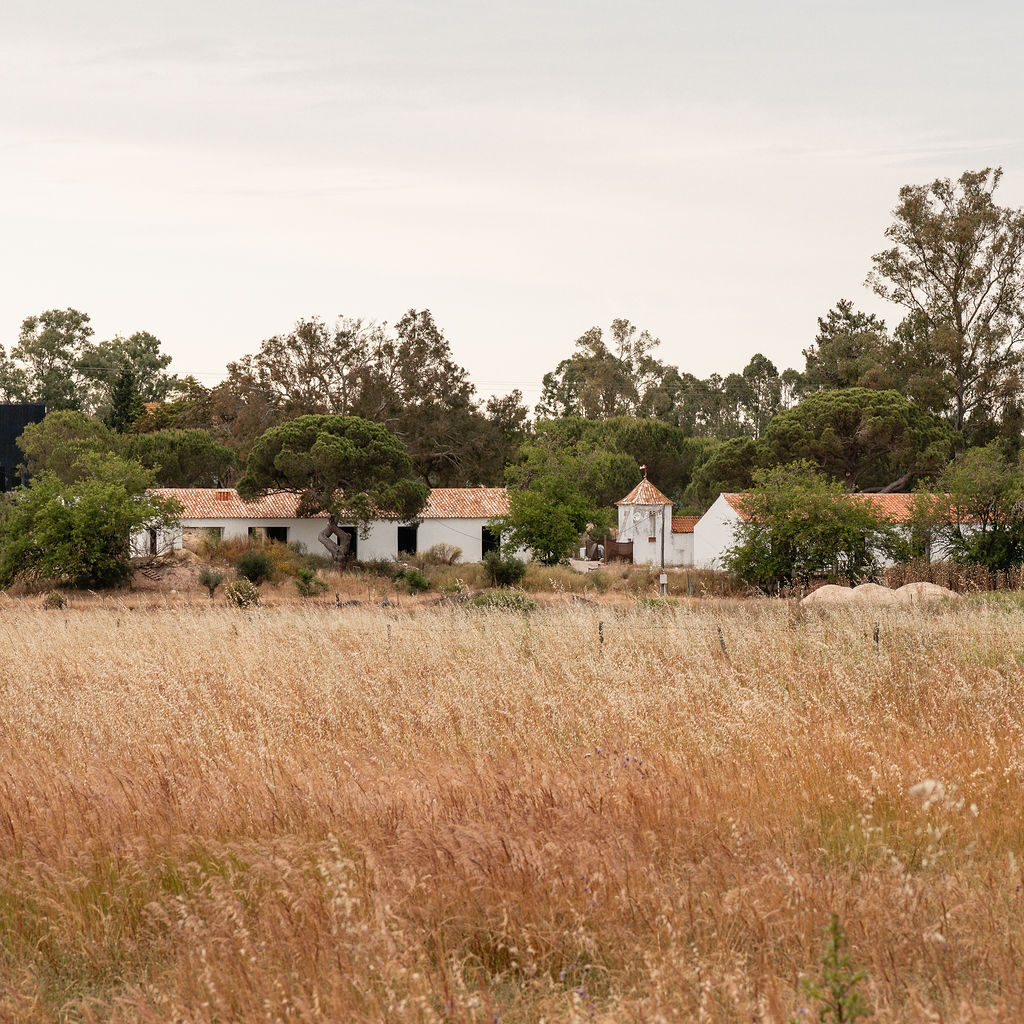
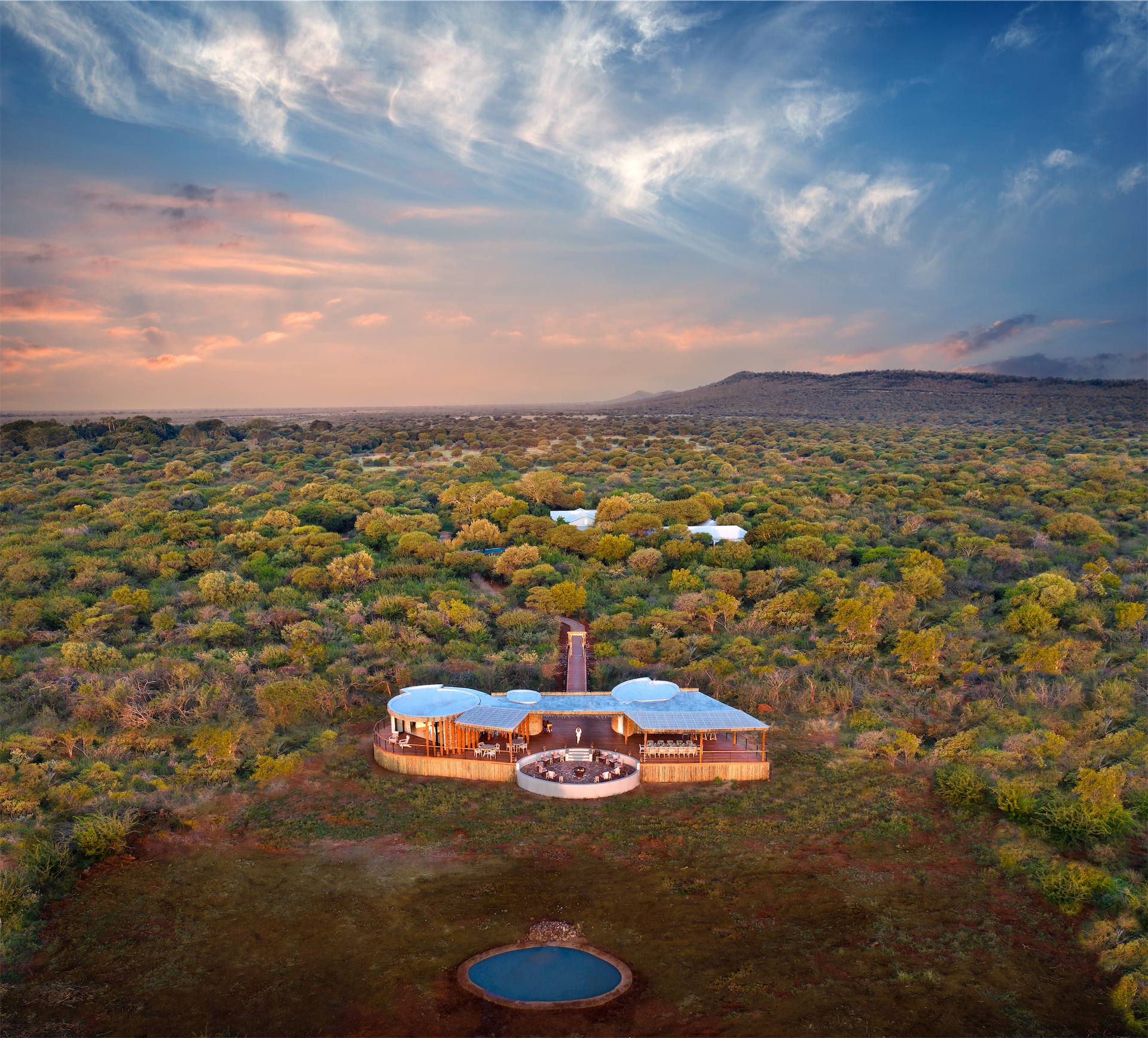
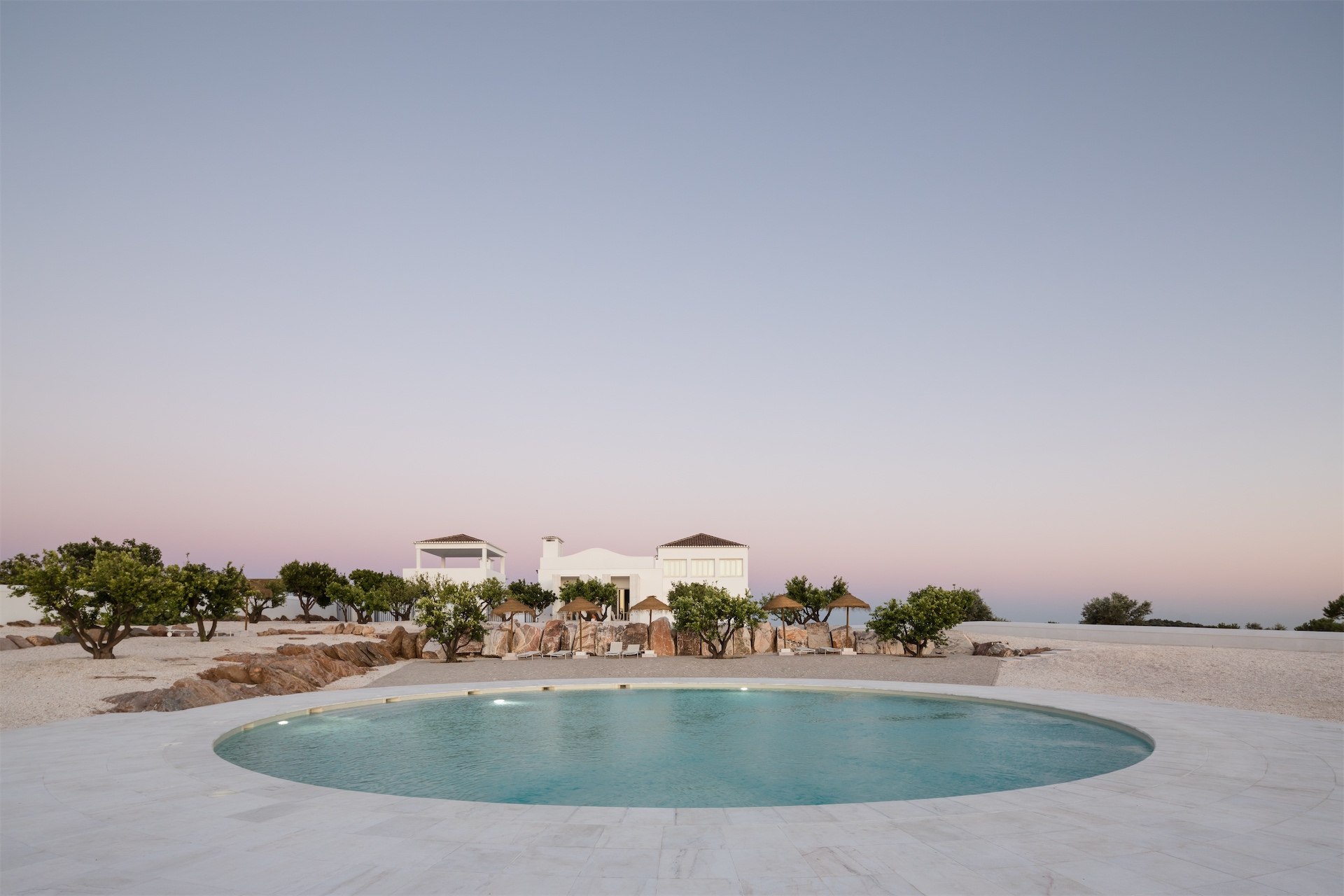
High above the Alentejo plains near Estremoz, where cork forests stretch toward the horizon and the sky feels impossibly wide, Dá Licença rises from a landscape shaped by marble and silence. White and rose-tinted stone surfaces beneath ancient olive trees, forming a terrain that shifts with the light from pale dawn to amber dusk. Set within the 300-acre Herdade das Freiras estate, this boutique hotel in Alentejo occupies land first cultivated in 1830. Once a thriving olive oil estate, it has been transformed into one of Portugal’s most distinctive luxury retreats, where architecture, art and nature exist in deliberate harmony.
High above the Alentejo plains near Estremoz, where cork forests stretch toward the horizon and the sky feels impossibly wide, Dá Licença rises from a landscape shaped by marble and silence. White and rose-tinted stone surfaces beneath ancient olive trees, forming a terrain that shifts with the light from pale dawn to amber dusk. Set within the 300-acre Herdade das Freiras estate, this boutique hotel in Alentejo occupies land first cultivated in 1830. Once a thriving olive oil estate, it has been transformed into one of Portugal’s most distinctive luxury retreats, where architecture, art and nature exist in deliberate harmony.
FROM PARIS TO THE ALENTEJO: A VISION ROOTED IN ART AND CRAFT
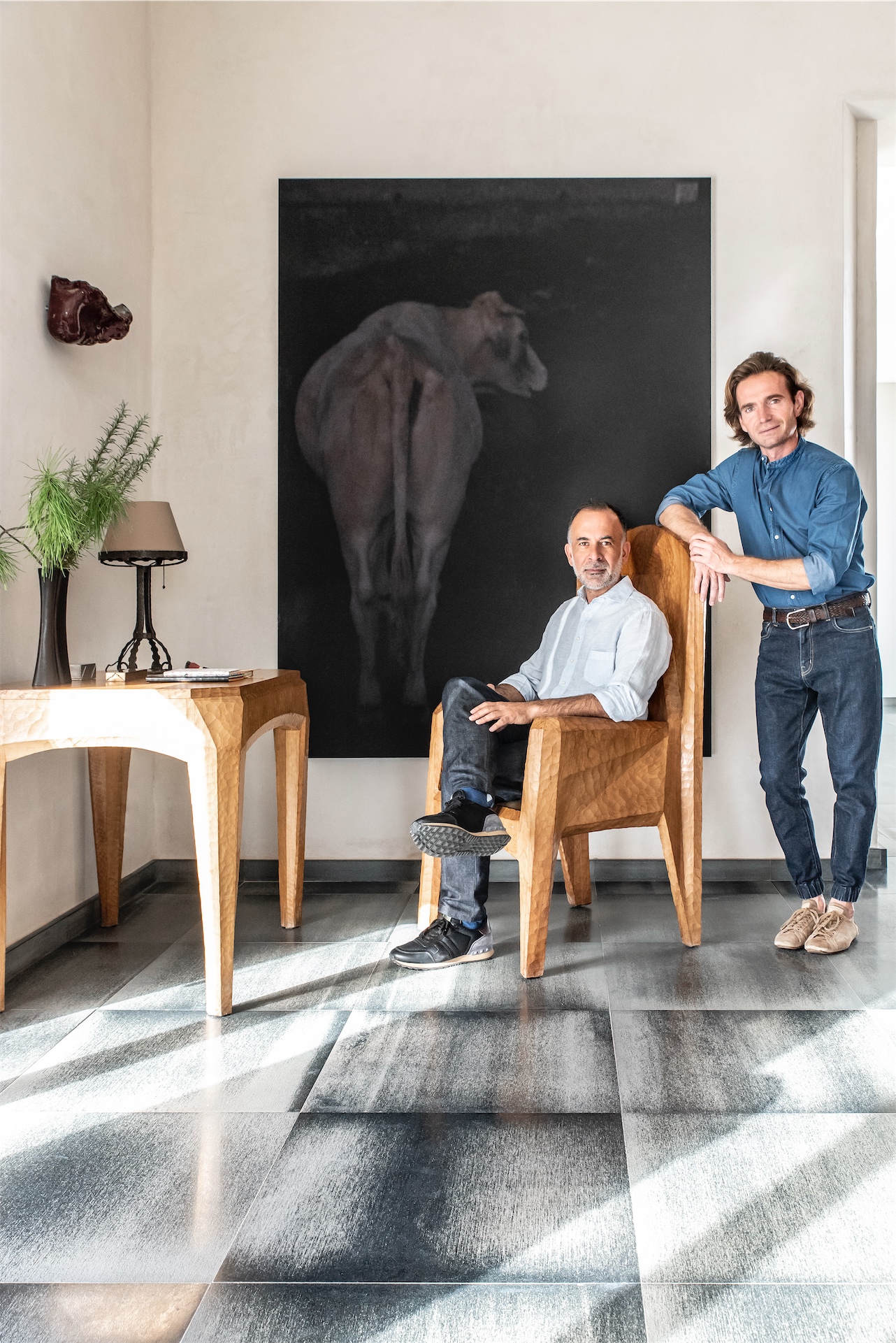
The story of Dá Licença begins far from southern Portugal. Vitor Borges was Managing Director for textiles and silk at Hermès, and Franck Laigneau was a gallery owner in Paris and a specialist in Scandinavian Jugendstil and anthroposophical design. Both were immersed in worlds defined by craftsmanship, aesthetics and cultural depth. Yet when they encountered this abandoned hilltop hamlet in Alentejo, something shifted.
“It was love at first sight,” they recall. “We decided to bring back life to this vernacular and untouched hamlet on the top of a hill with panoramic views and incredible sunsets.”
For Vitor, childhood memories created an emotional thread to the region. For Franck, the harmony of rolling hills and historic fortifications echoed the organic geometry of Art Nouveau movements he had long studied. What they saw was not simply a property but the possibility of a sanctuary. A design hotel in Portugal where heritage architecture could coexist with contemporary artistic vision.
RESTORING A MARBLE ESTATE IN ESTREMOZ
Reviving Dá Licença required more than renovation. The estate had been abandoned for over four decades. Olive groves were neglected, gardens overgrown, and buildings weathered by time. Working with local craftsmen and architects, the owners restored the traditional structures in accordance with ecological regulations, as the land sits within a protected natural reserve.
“Three hundred acres of land which had been abandoned for more than forty years required a lot of energy and passion in order to revive Mediterranean and cactus gardens thought like landscapes,” they explain.
Marble, abundant in Estremoz, became both structural element and sculptural feature. Vernacular forms were preserved, while subtle influences drawn from Japonism and anthroposophical design introduced clarity and proportion. The olive groves were nurtured back to vitality. Cork trees were protected. Gardens were reimagined as living compositions.
“The location of the property is magical,” the owners reflect. “Hidden among olive groves and marble rocks, extremely sunny during the day and exposed at night to a majestic Milky Way. It has been crafted like a utopia.”
The transformation feels organic rather than imposed, as though Dá Licença has always belonged to the landscape.
“It was love at first sight and we decided to bring back life to this vernacular and untouched hamlet on the top of an hill with panoramic views and incredible sunsets.”
— Vitor Borges and Franck Laigneau, Owners

SUITES, MARBLE AND QUIET LUXURY
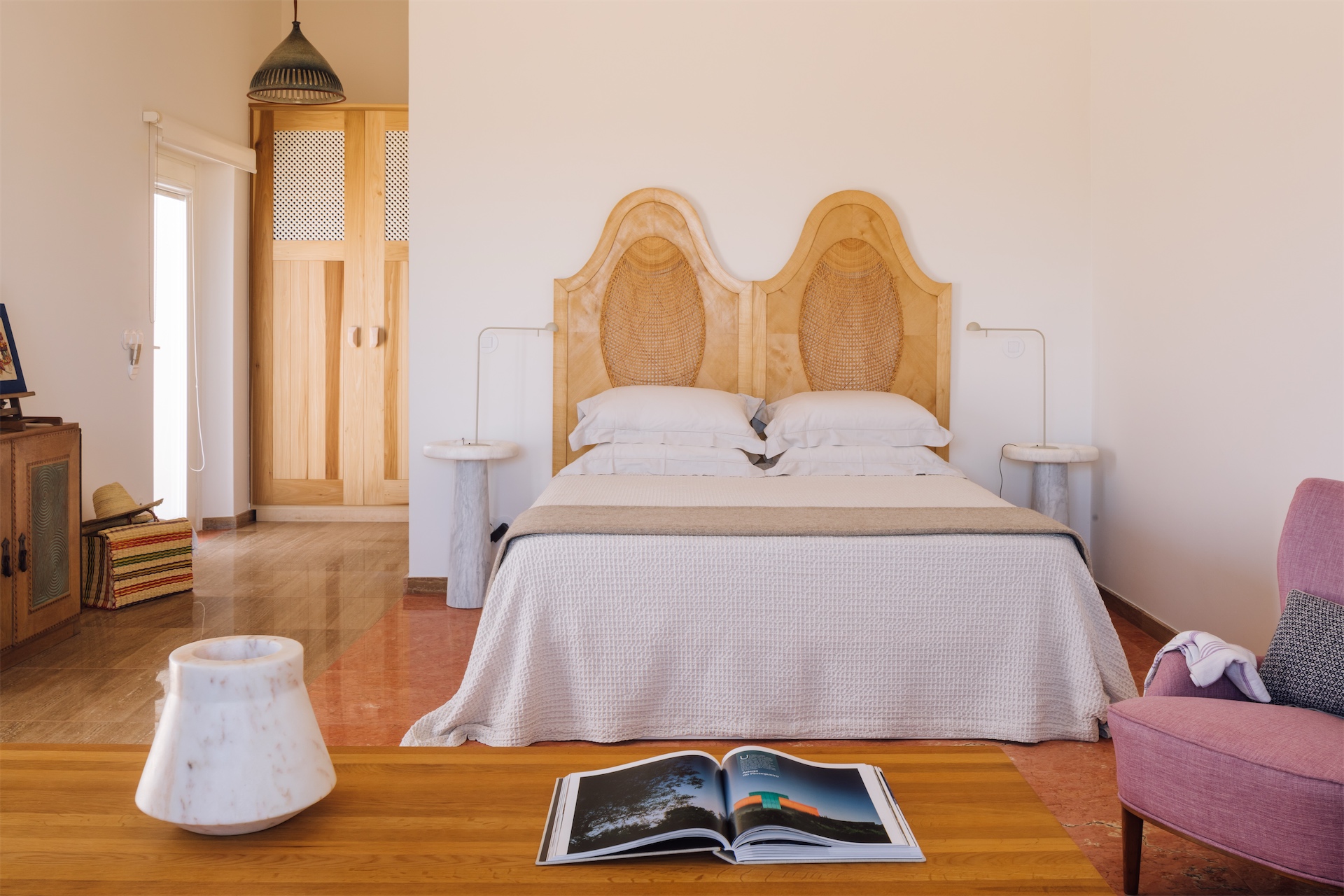
Dá Licença offers only nine suites, reinforcing its identity as an intimate luxury guesthouse in Portugal rather than a large hotel. Ranging from 50 to 180 square meters, each suite reflects a distinct artistic sensibility while maintaining architectural cohesion.
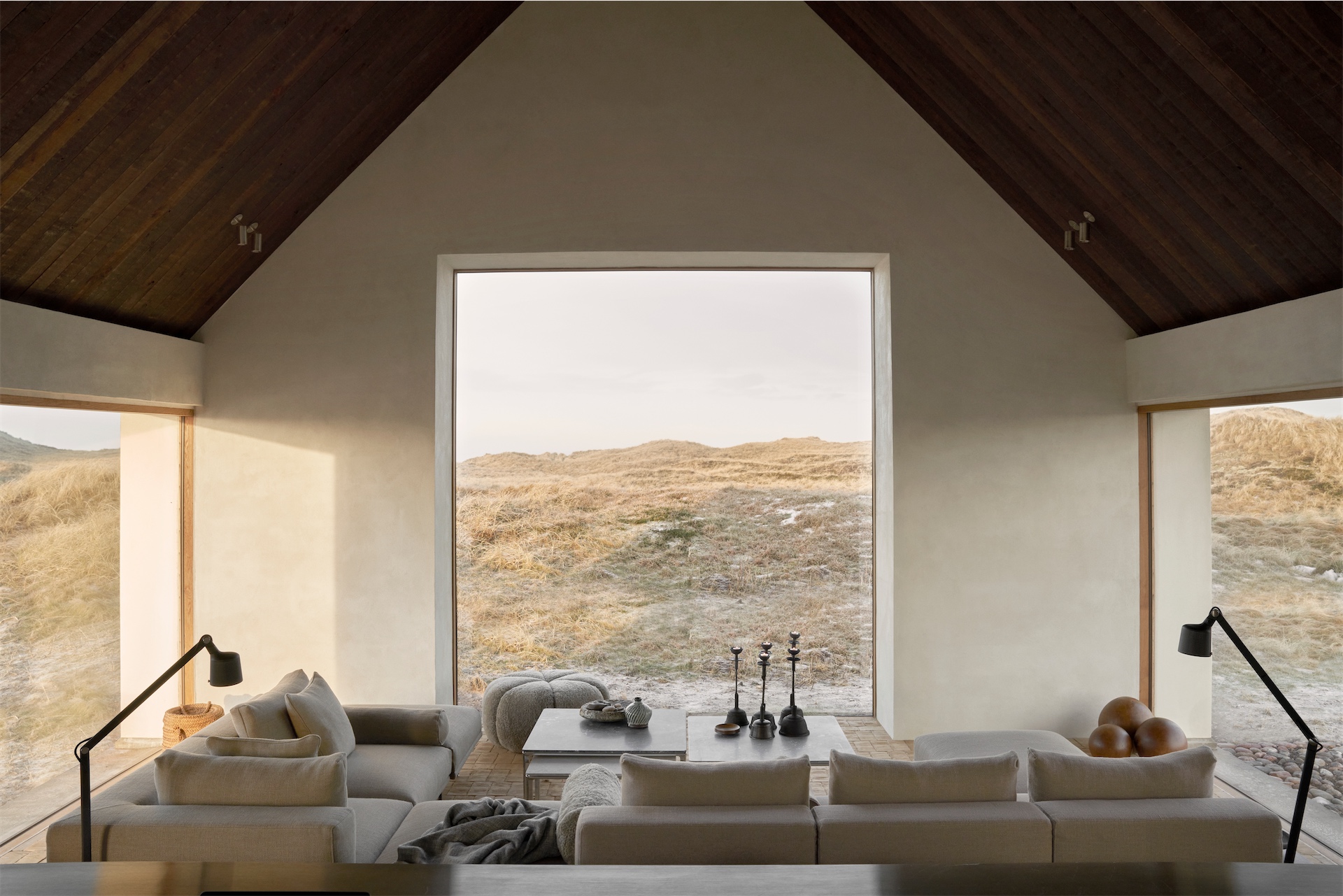
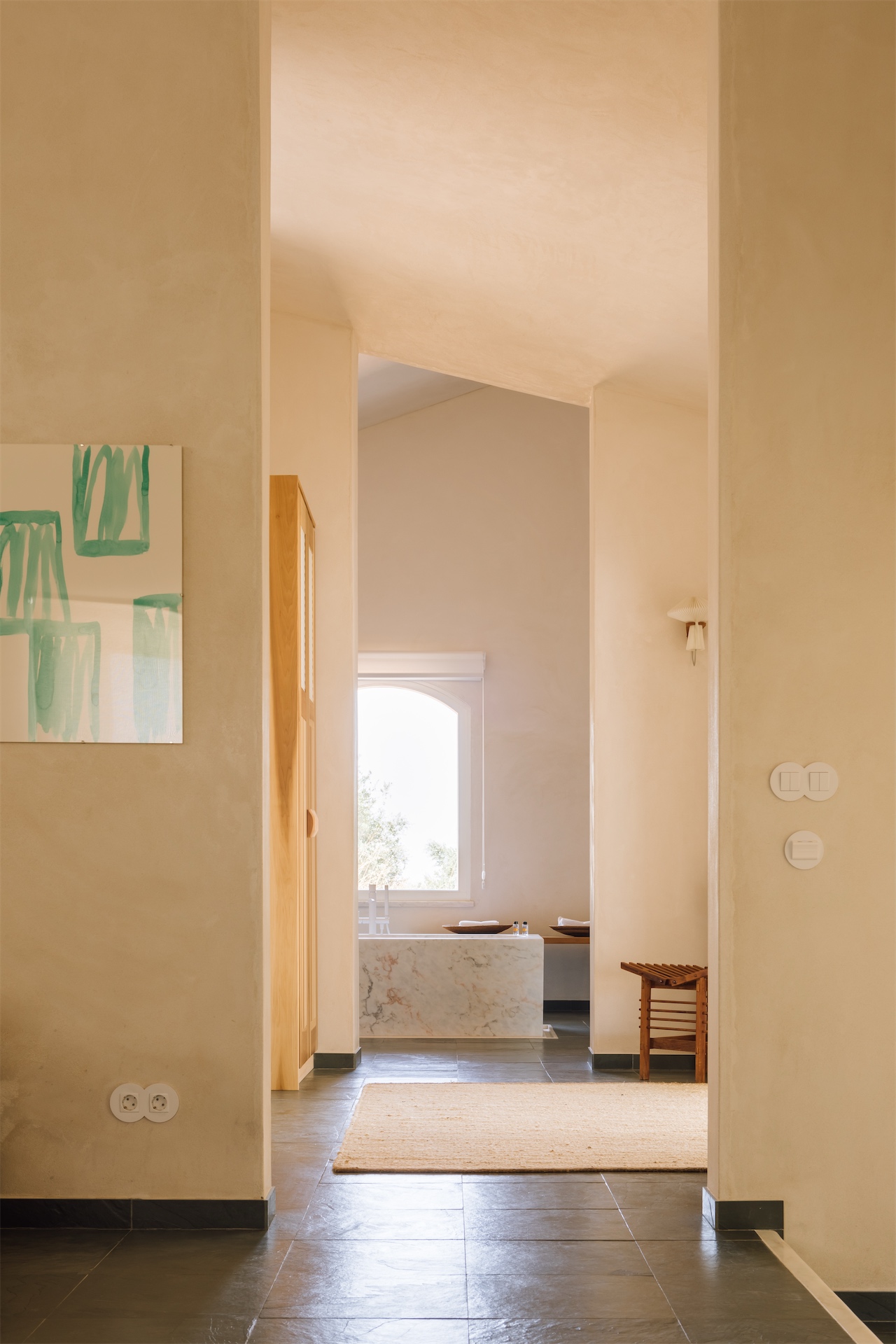
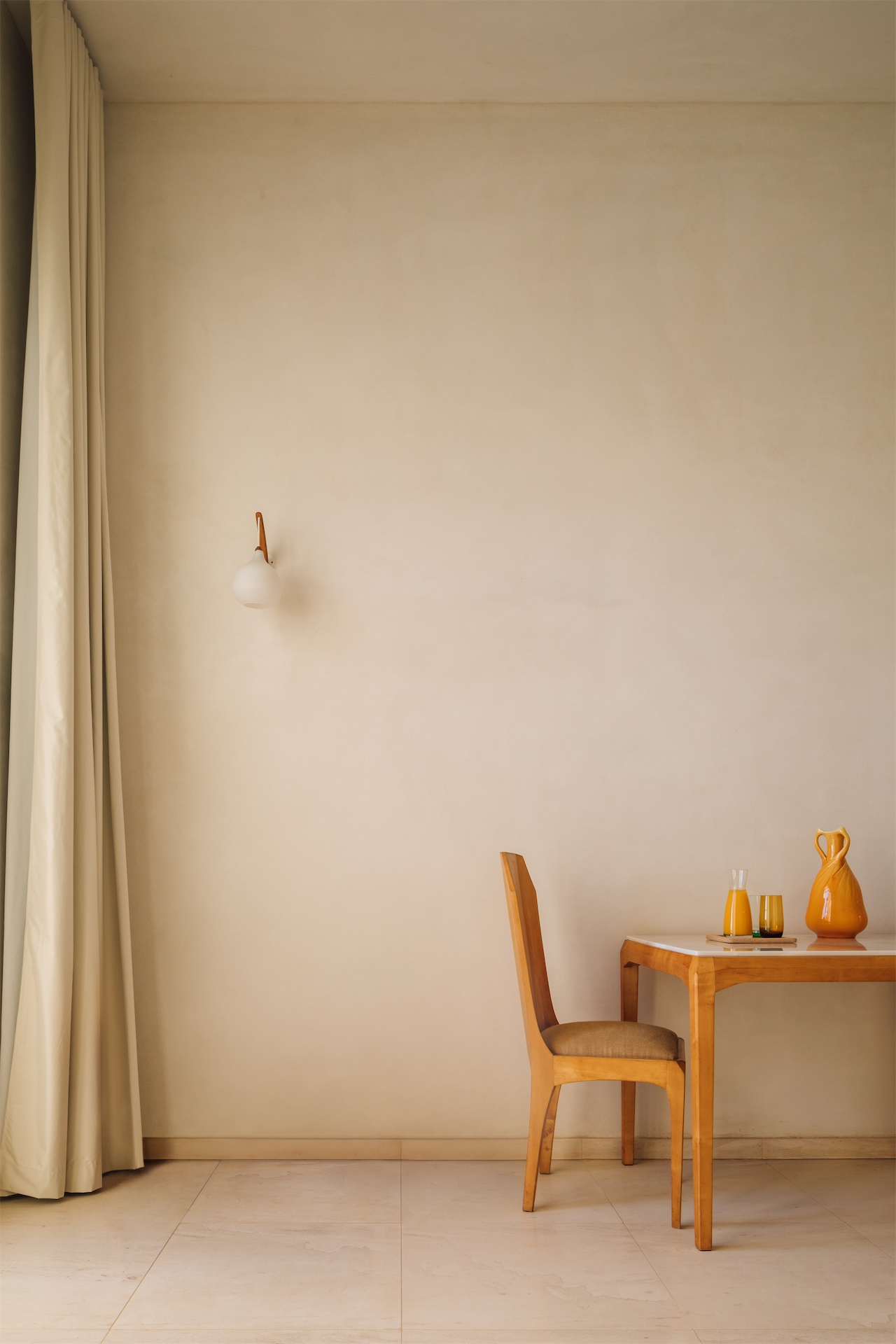
Interiors are defined by curated art pieces, sculptural furniture and natural materials. Marble washbasins carved from local stone anchor the bathrooms. Floors remain cool underfoot during Alentejo’s warm afternoons. Windows frame uninterrupted views of the Serra d’Ossa forest and the medieval castles of Evoramonte and Estremoz.
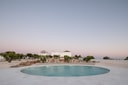
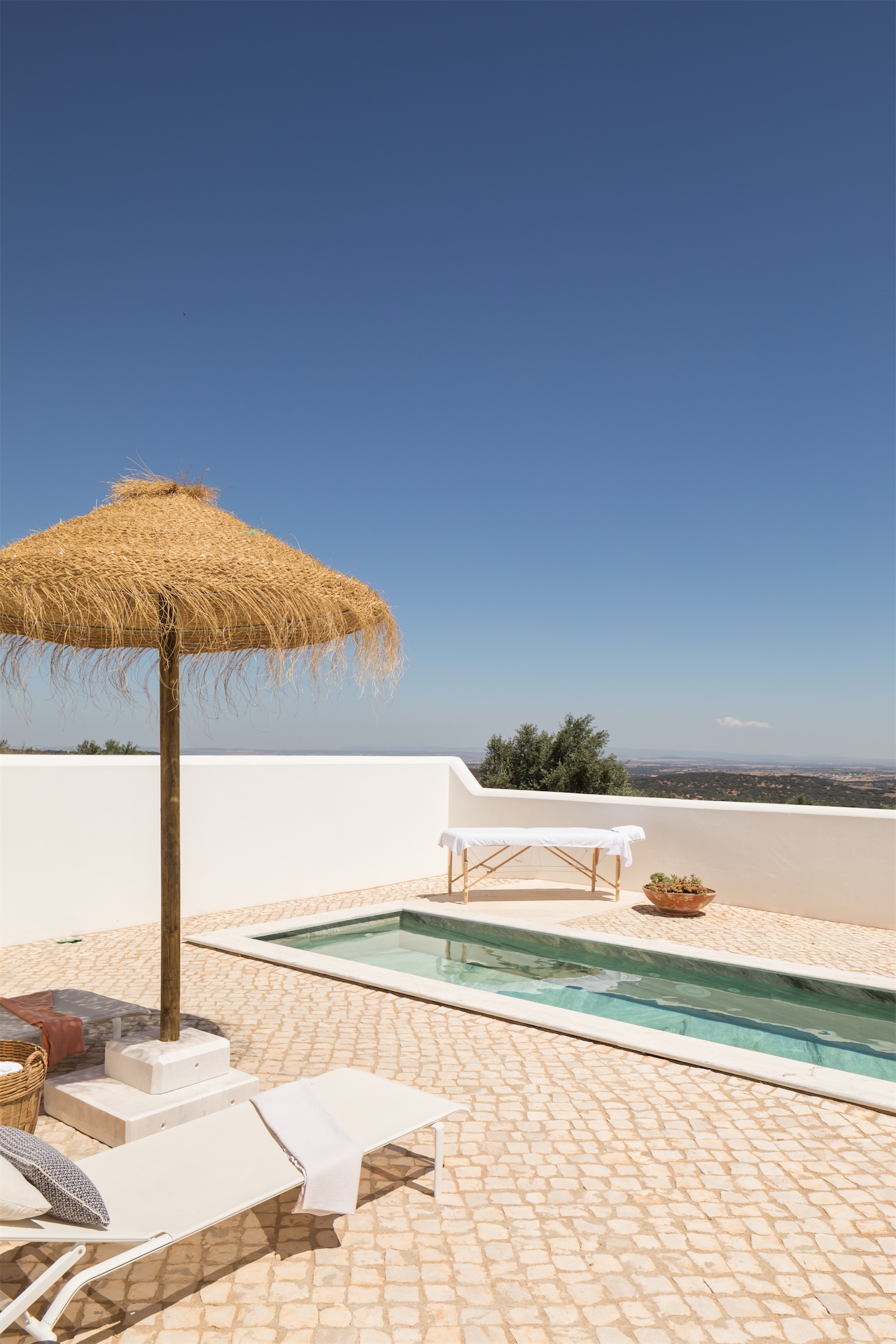
Two suites feature private marble pools treated with saltwater, offering complete privacy within the vast openness of the estate. Pergolas and patios extend living spaces outdoors, encouraging guests to linger at sunrise with coffee or at dusk as the sky turns copper.
The aesthetic remains restrained. Influenced by anthroposophical principles, every object is selected for proportion and meaning. Luxury here is defined not by excess but by clarity, scale and light.
Cuisine follows the same philosophy. The menu evolves with the seasons, guided by produce from the estate’s organic garden and trusted local producers throughout Alentejo. Olive oil pressed from surrounding groves appears across dishes. Wines sourced from nearby vineyards complement each meal. Breakfast unfolds on a terrace overlooking marble terrain. Dinner becomes a quiet ritual beneath open sky. Food is not performance but extension of place.
A LIVING GALLERY AND AN INVITATION TO DISCONNECT
The original olive press building from 1904 now houses the gallery that forms the cultural heart of Dá Licença. Franck’s curatorial vision bridges Scandinavian Jugendstil with vernacular arts and crafts, creating dialogue between northern European design traditions and the rural identity of Alentejo. Sculptures punctuate pathways. Custom furniture functions as installation. The collection evolves continuously, ensuring the property remains a living artistic environment rather than static display.
The retreat naturally attracts travelers seeking depth rather than distraction. “We aim to attract people looking for natural beauty, serenity and calming soul, those who want to run away from massification,” the owners explain.
With only five suites and expansive grounds, privacy is profound. Silence becomes tangible. Days unfold slowly. Coffee beside the circular pool as morning light touches marble. Reading beneath centuries-old olive trees. Watching sheep cross the estate once a day, their bells echoing softly across the hills.
“At Dá Licença, there is the opportunity to stop time; the guesthouse is completely tucked away from the outside world.”
While the estate feels complete in itself, the surrounding Alentejo region offers cultural richness. Estremoz lies seven kilometers away, known for its marble quarries and medieval architecture. The Museu Berardo houses an extraordinary tile collection. Local wineries offer tastings rooted in centuries of tradition. Yet many guests hesitate to leave.
Dá Licença stands as a singular expression of place. A boutique hotel in Alentejo rooted in geology and olive groves. A luxury retreat in Portugal where art and landscape converge with quiet confidence. In a world defined by speed and noise, this marble estate offers something increasingly rare: space, beauty and the permission to slow down.
“At Dá Licença, there is the opportunity to stop time; the guesthouse is completely tucked away from the outside world.”
— Vitor Borges and Franck Laigneau, Owners





Plan Your Stay
Subscribe
Enjoy the read?
Get unique stays, hidden gems, and mindful travel tips delivered straight to your inbox—no spam, just wanderlust.