

Northern and Southern Serengeti, Tanzania
Esirai Camp
Accommodation Type
Mobile safari camp
Number of Tents
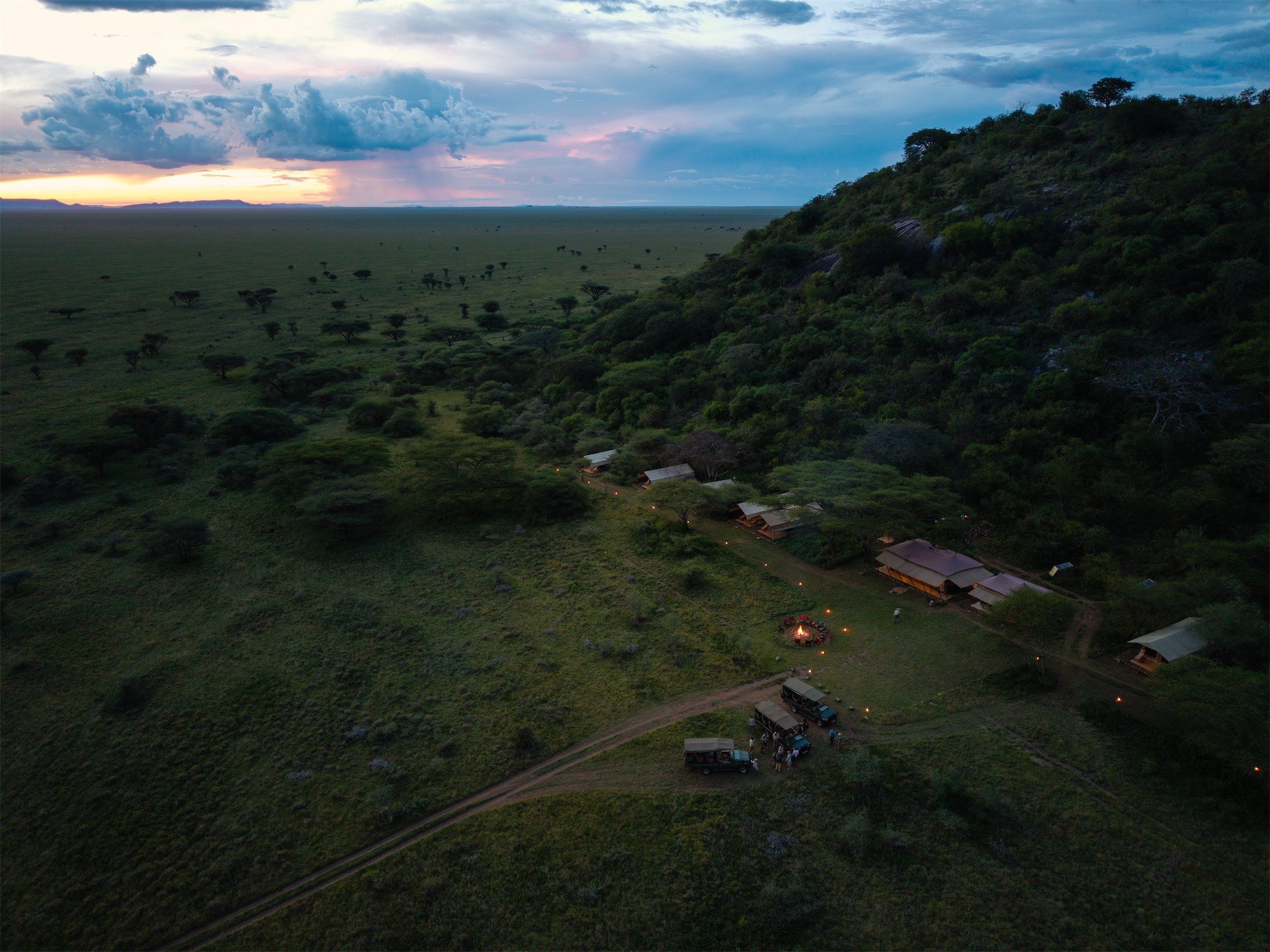
8 en-suite tents
Location
Northern and Southern Serengeti, Tanzania (seasonally mobile following the Great Migration)
Setting
Remote savannah landscapes within the Serengeti ecosystem, shifting between southern plains and northern river corridors to remain close to the migratory herds
Who It Is Best For
Nature-driven travelers, safari purists, photographers, couples, and seasoned explorers seeking intimacy, mobility, and deep immersion in the wild rather than fixed luxury lodges
Travel Mood
Main Activities
Game drives, guided walking safaris (north camp), bush dining, sundowners, hot air balloon flights, wildlife tracking, seasonal migration viewing
Signature Feature
A fully mobile camp that follows the Great Wildebeest Migration, offering front-row access to one of the most extraordinary wildlife events on Earth with minimal environmental footprint
Esirai Camp
A mobile safari camp in Tanzania’s Serengeti
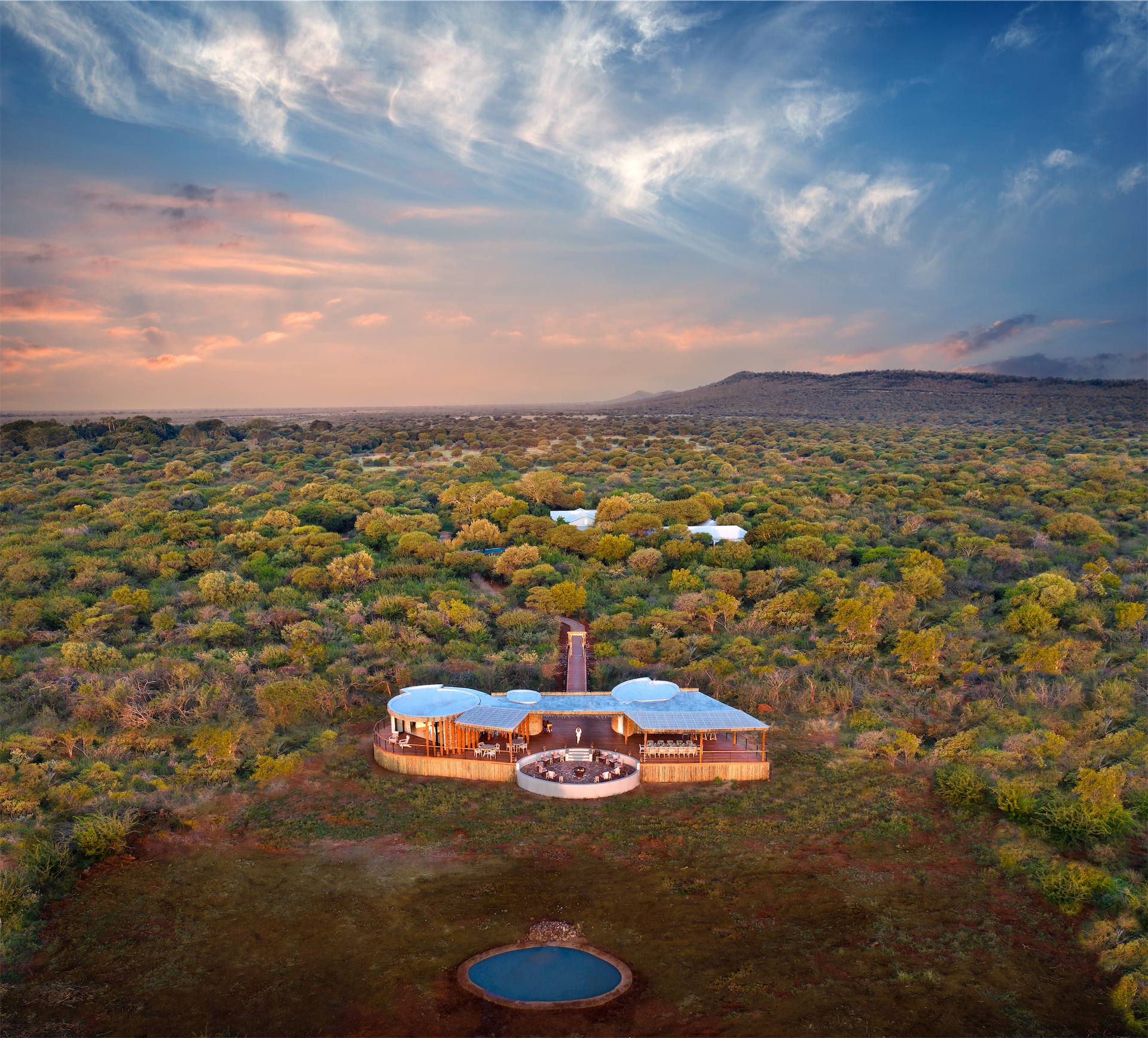
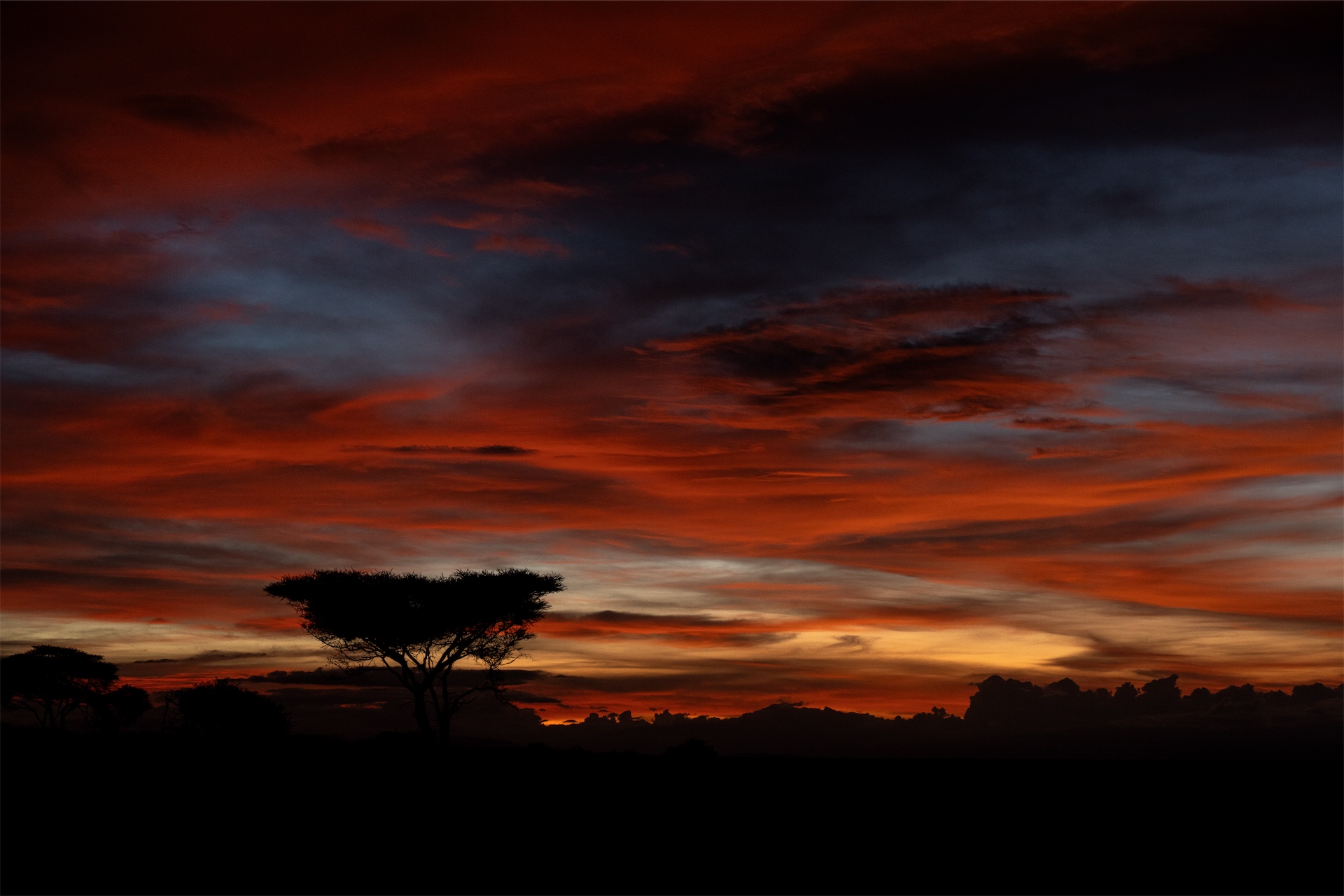
Esirai Camp is an intimate mobile safari camp that moves with the Great Wildebeest Migration across Tanzania’s Serengeti, placing guests directly within one of nature’s most powerful spectacles. Designed to be light, flexible, and deeply respectful of its surroundings, Esirai offers an experience that feels immediate and elemental. This is safari as it was meant to be: close to the land, guided by wildlife, and shaped by the rhythms of the savannah.

Overview
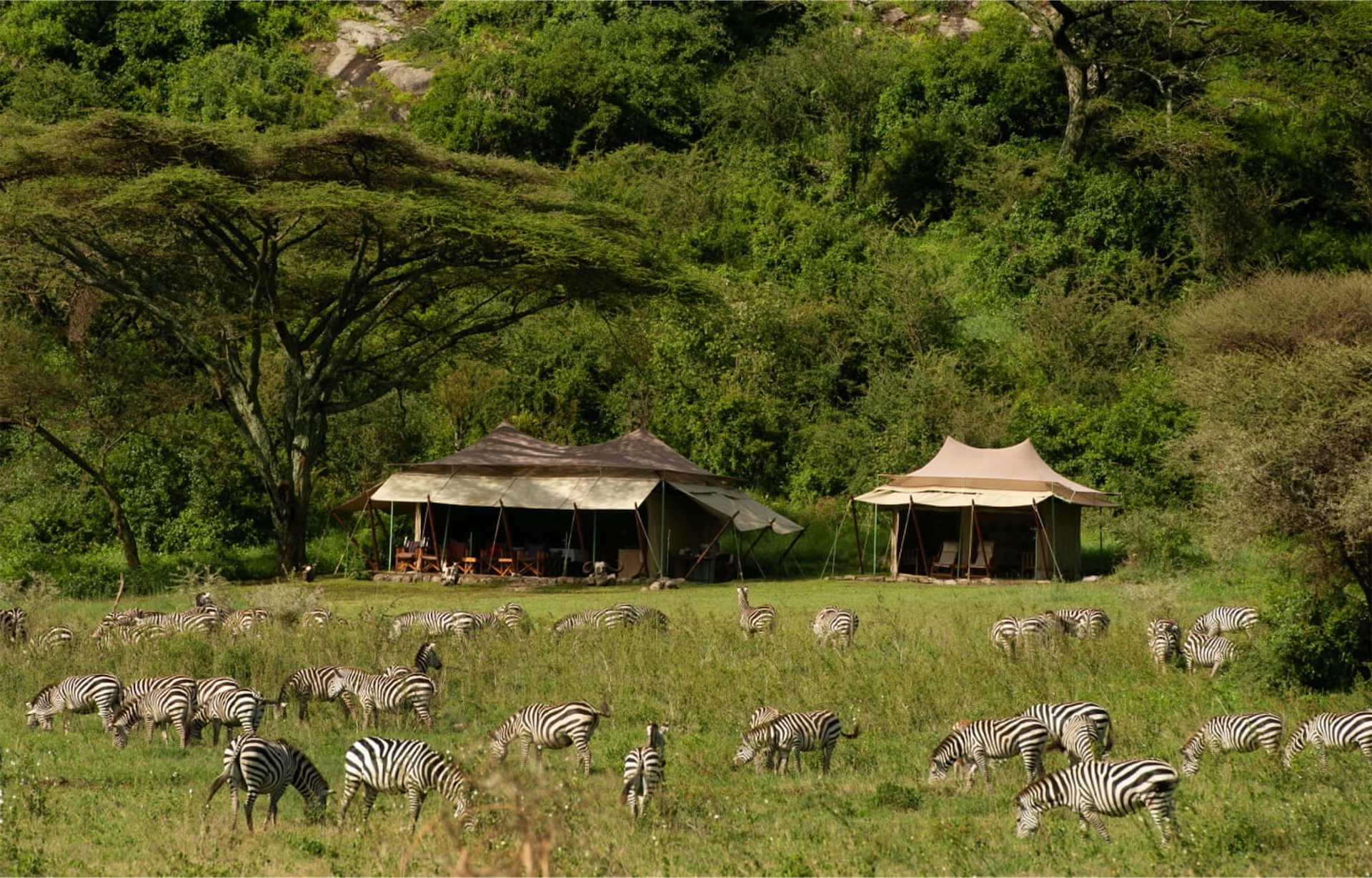
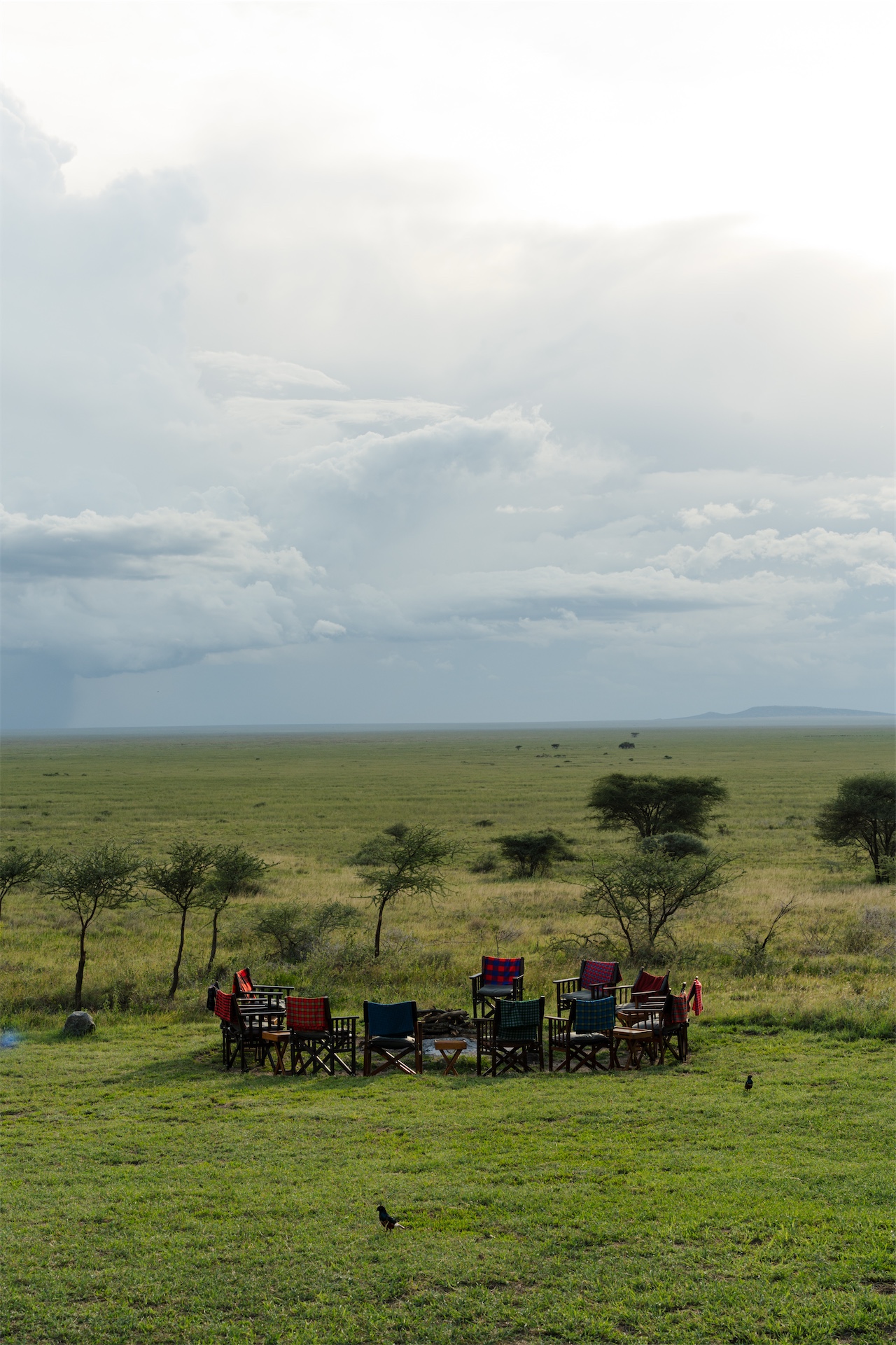
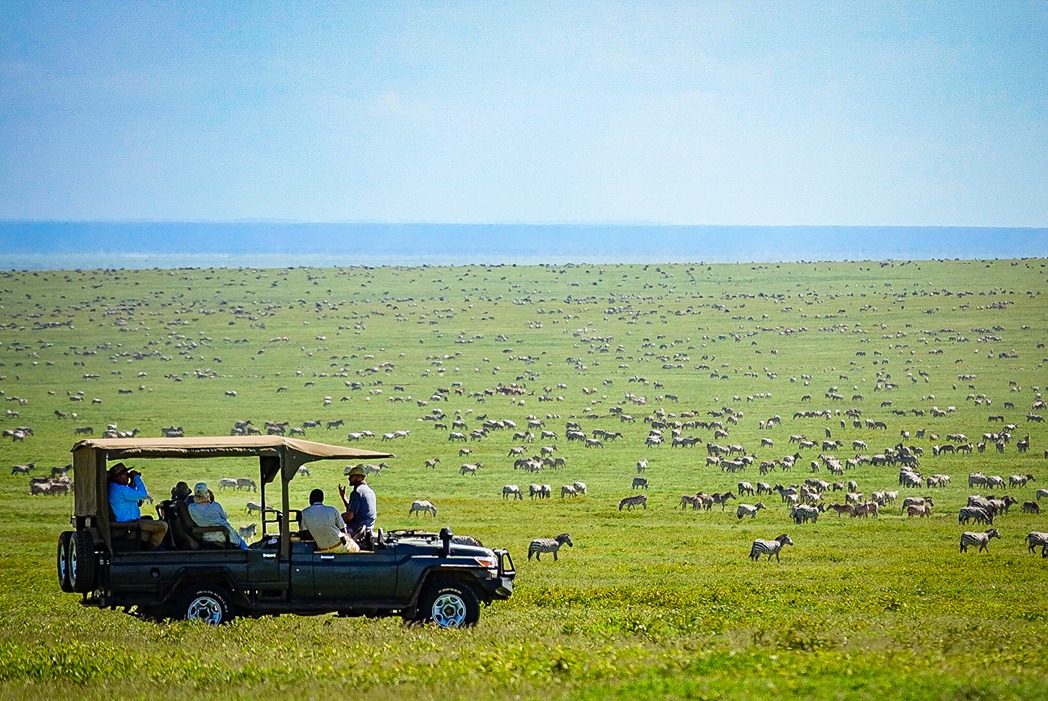
Esirai Camp exists to follow movement. Each year, the camp relocates between the southern and northern Serengeti, mirroring the ancient grazing routes of hundreds of thousands of wildebeest and zebra. This mobility allows guests to experience the migration at its most intense, whether it is the vast calving grounds of the southern plains or the dramatic river crossings in the north. The result is not a static safari experience, but a living one, shaped by season, landscape, and wildlife behavior.
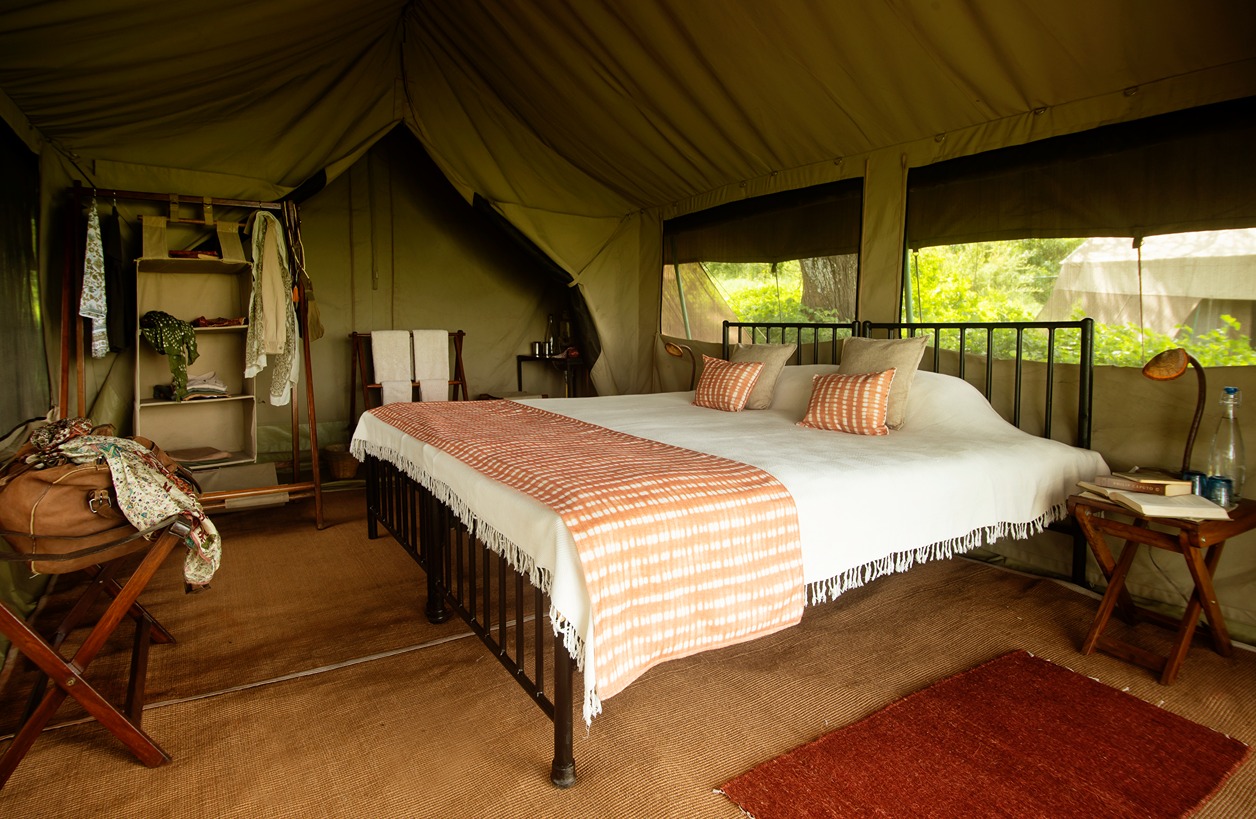
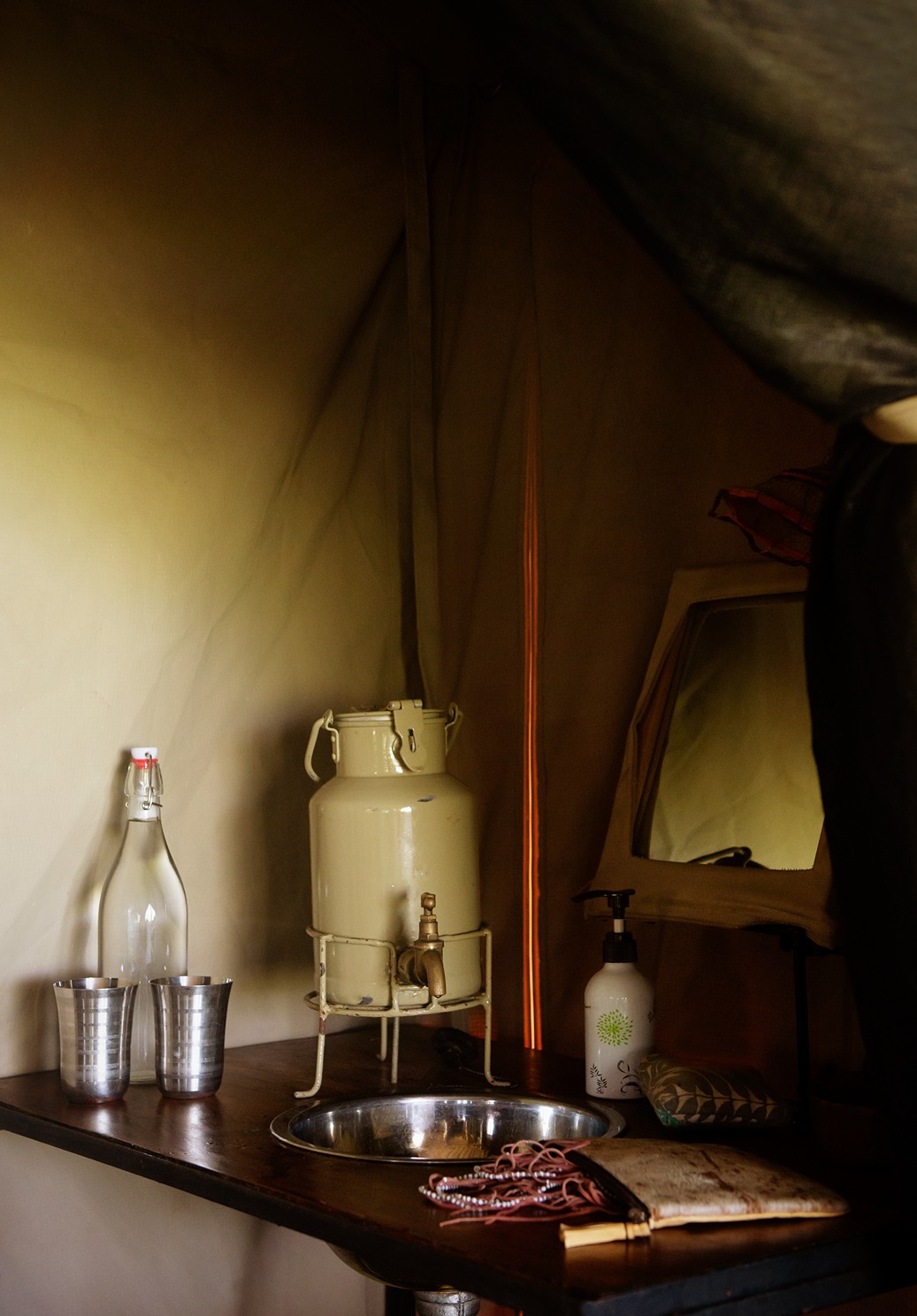
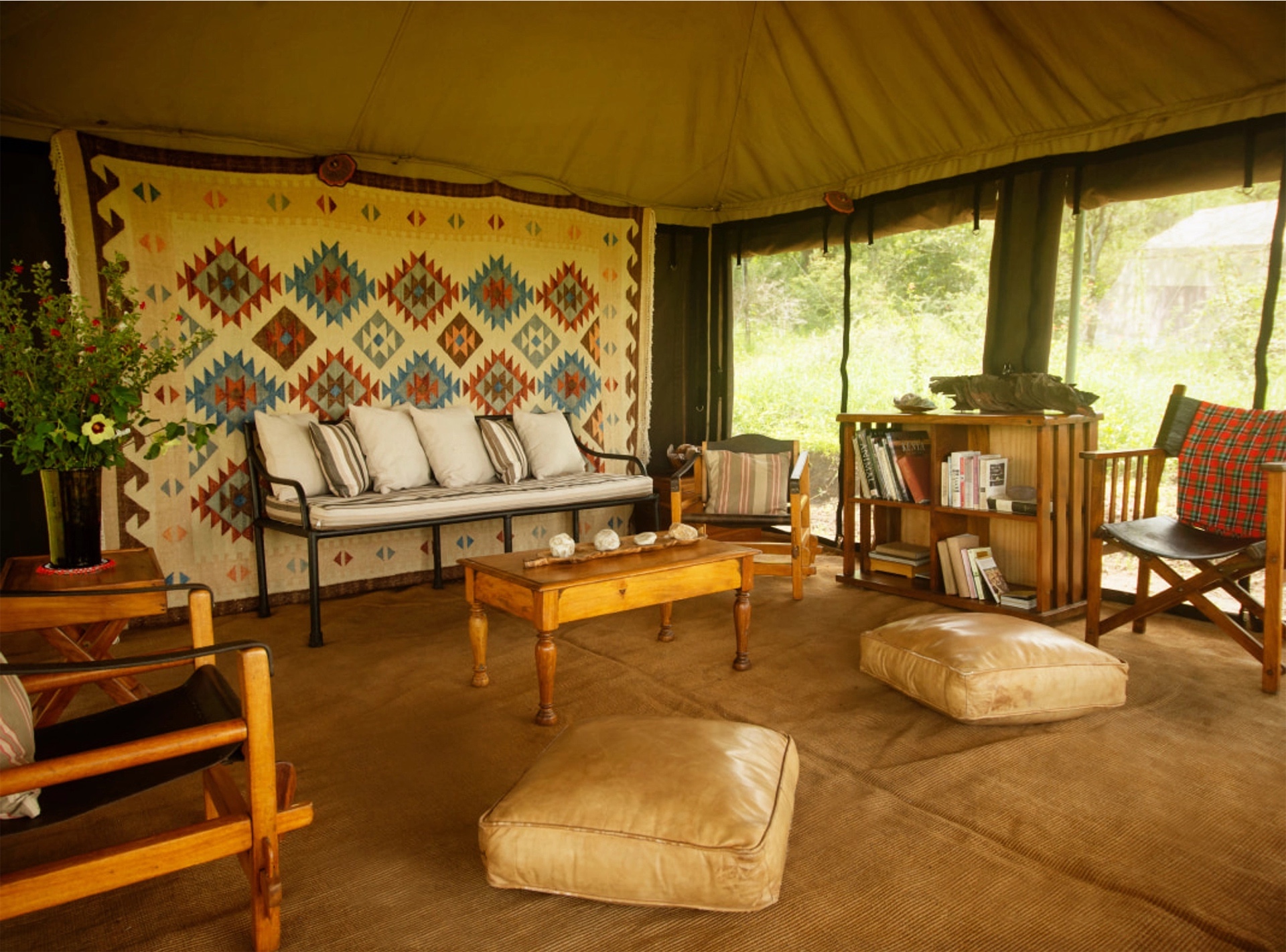
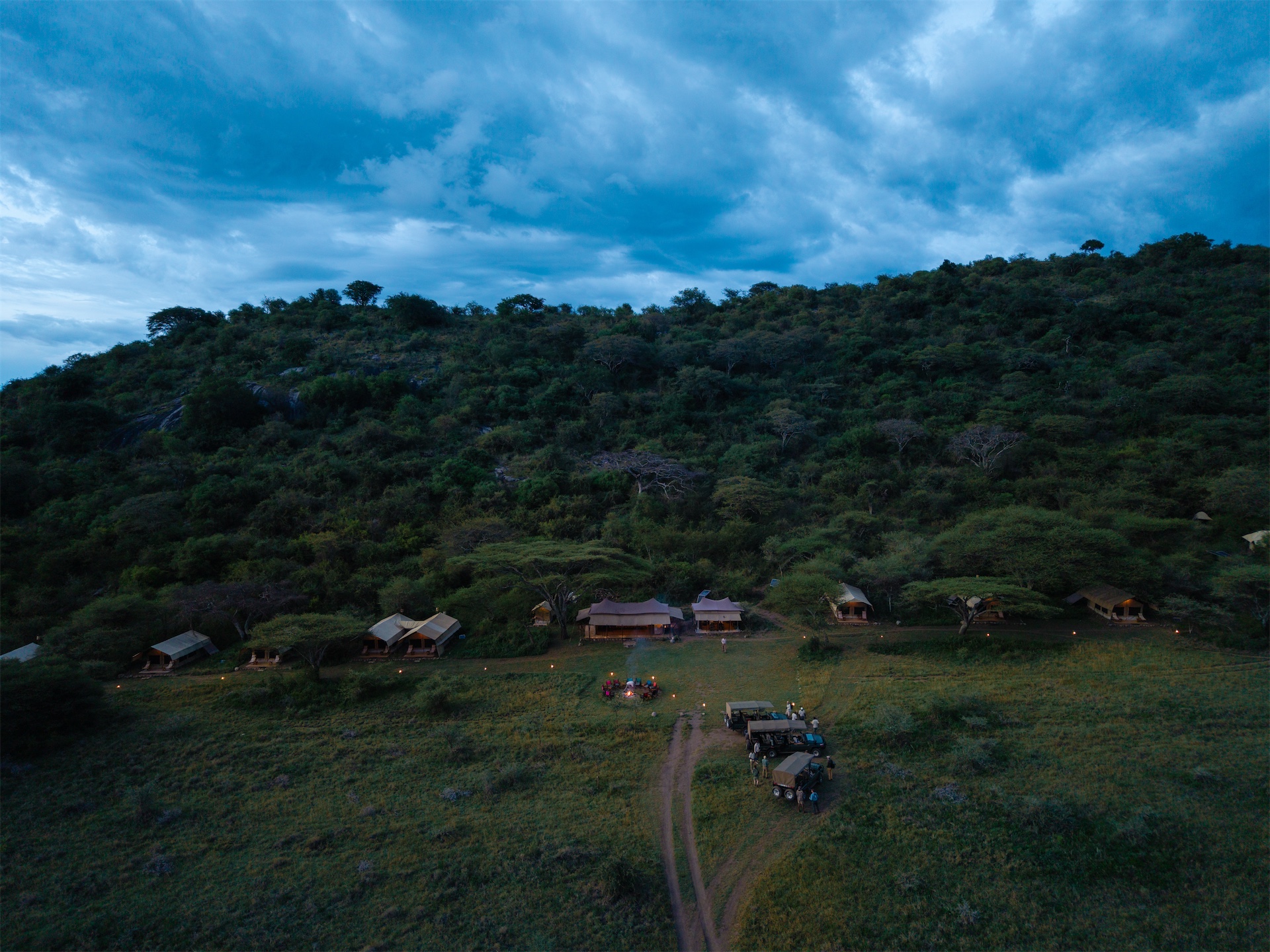
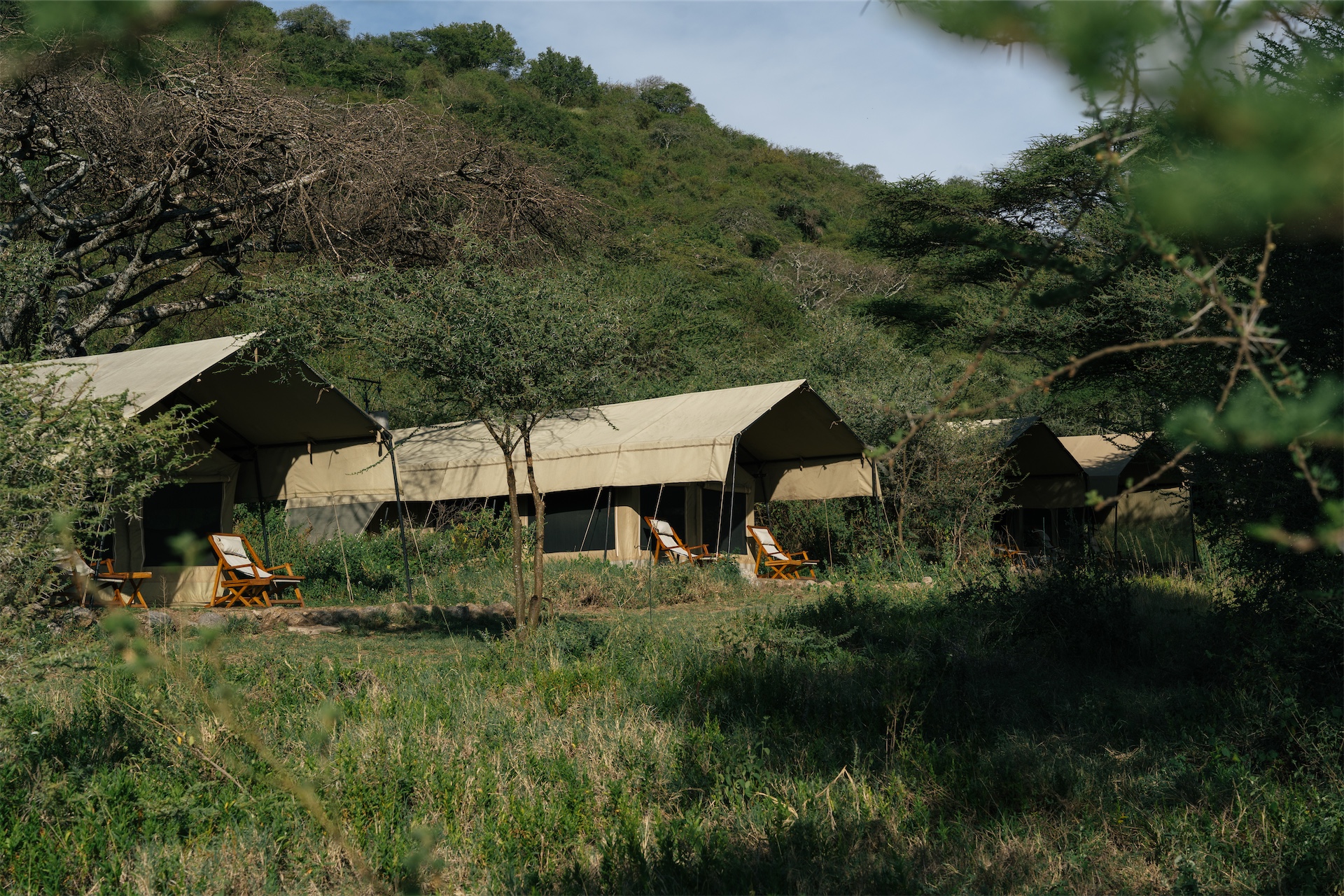
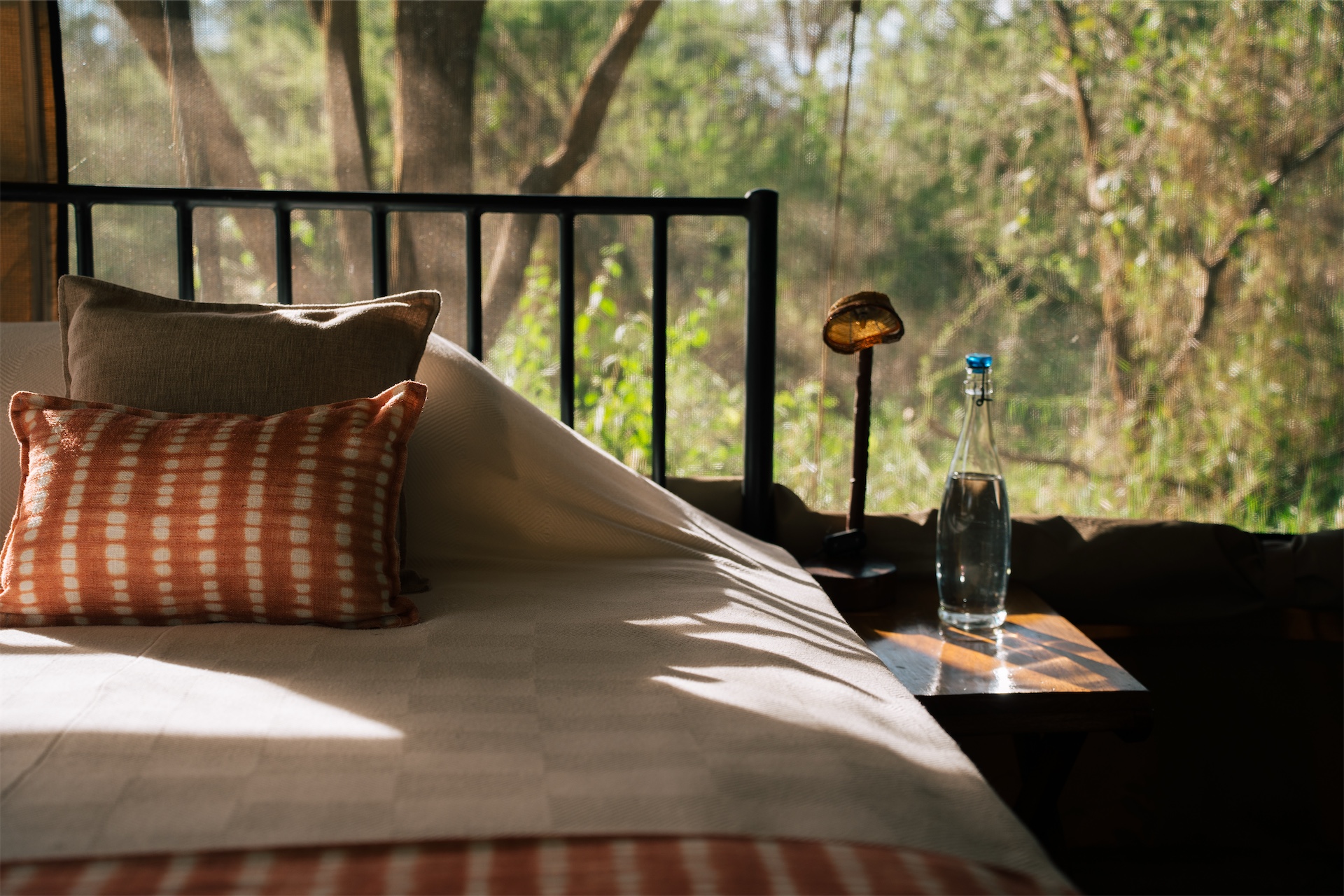
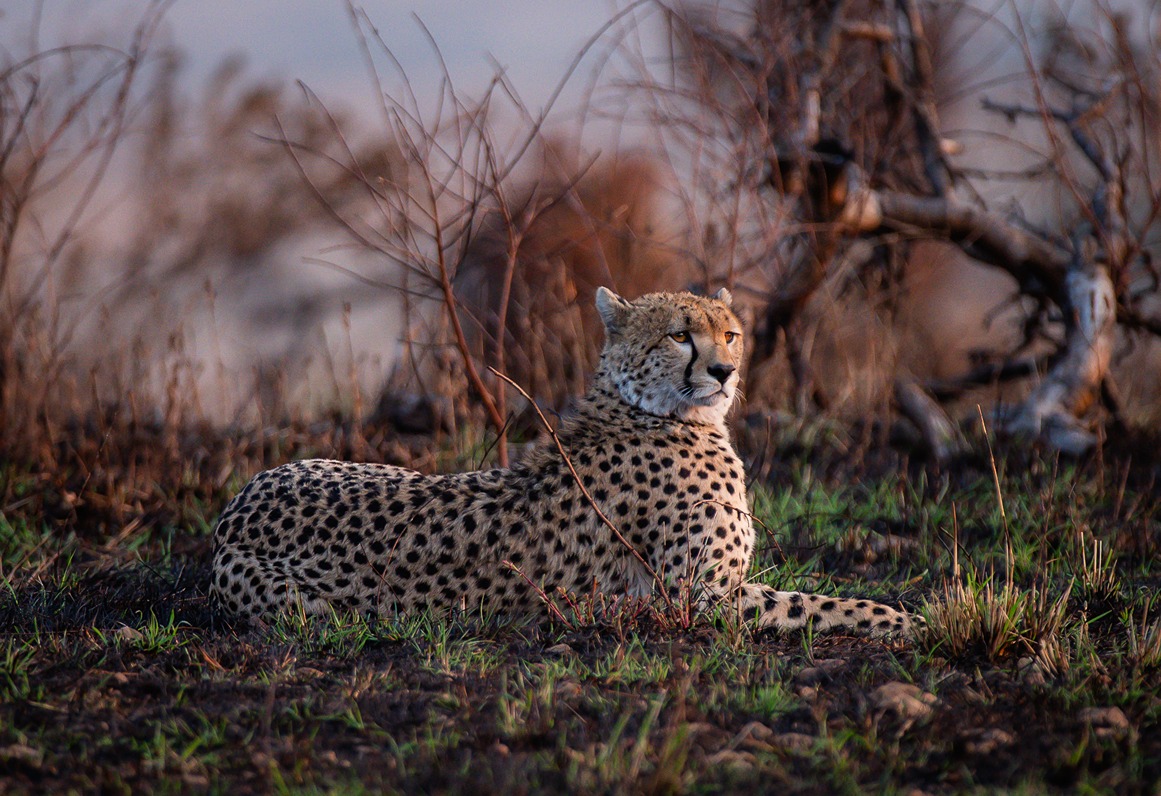
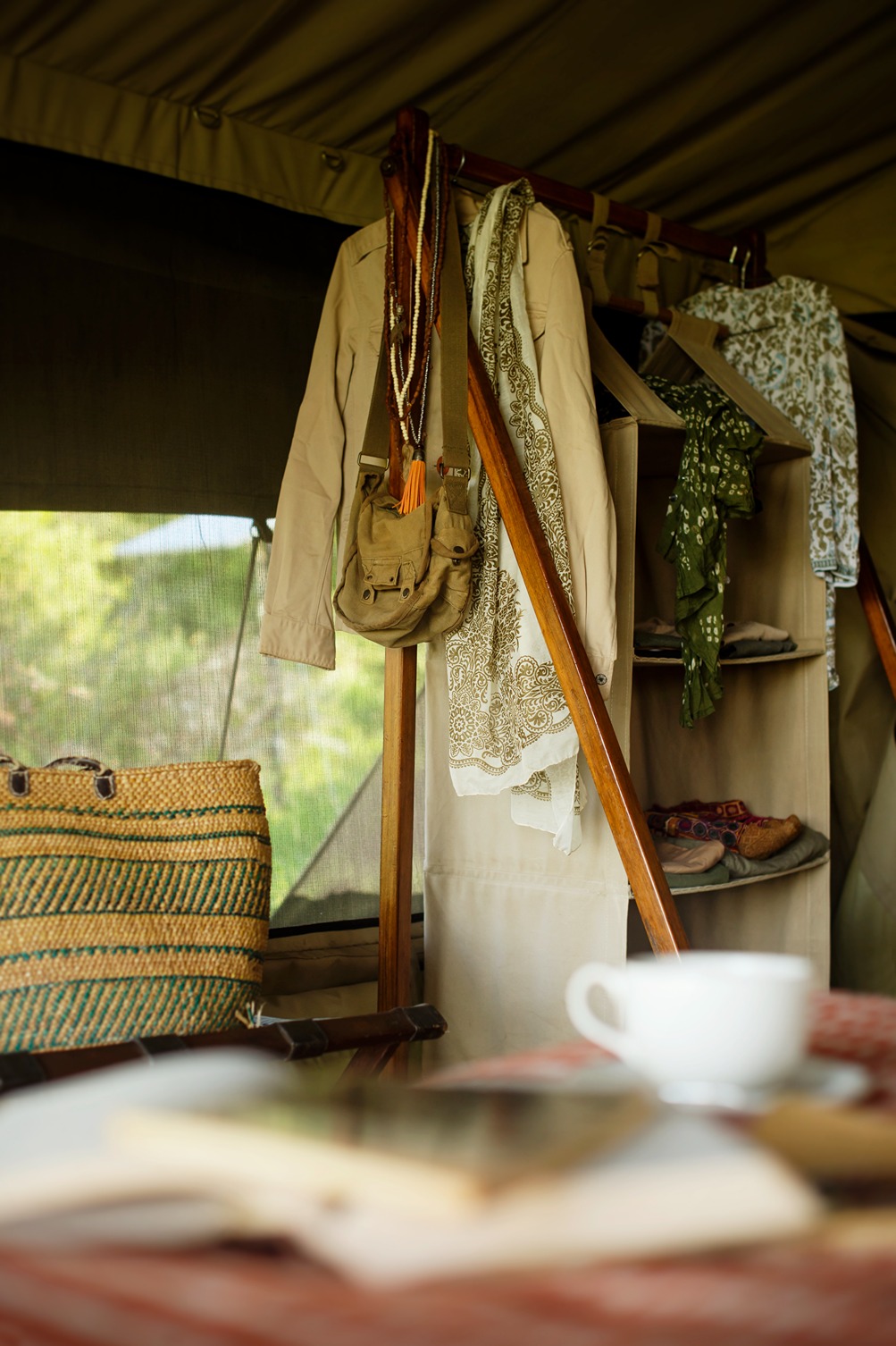
The camp itself is deliberately small, comprising just eight en-suite tents designed for comfort without excess. Canvas walls, solar lighting, and open-air layouts create a strong sense of connection to the environment, while thoughtful details ensure warmth and ease after long days in the field. There is no unnecessary separation between guest and landscape. Sounds of the savannah carry through the night, reinforcing the feeling of being fully present in the wild.
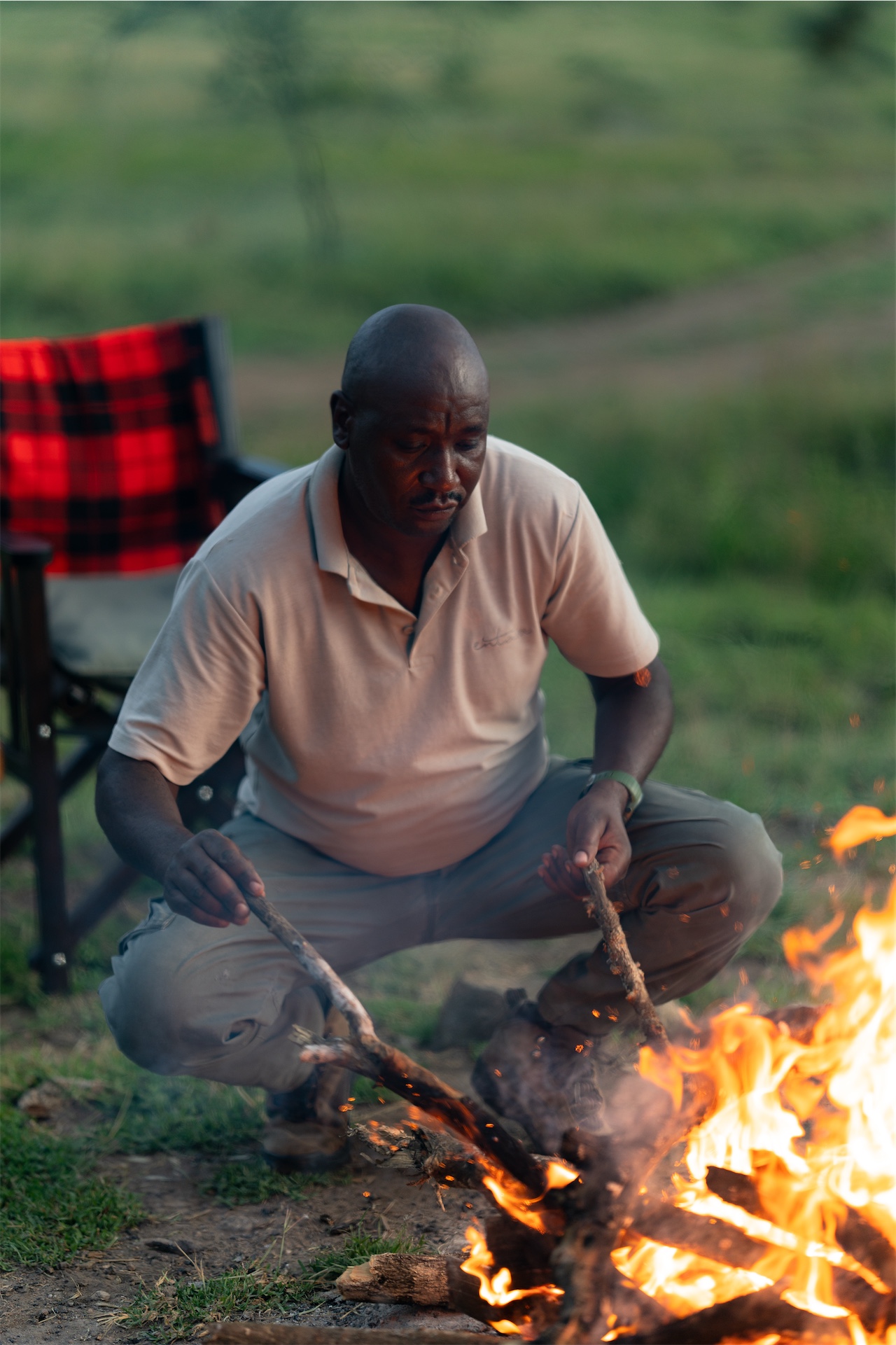
At the heart of Esirai is the mess tent, a communal space that brings guests together over shared meals, stories, and evening fires. Days are guided by experienced private guides and trackers, whose deep knowledge of the Serengeti allows for flexible game drives, guided walks in the north, and spontaneous moments dictated by wildlife rather than schedules. Service is attentive but understated, designed to support the experience rather than frame it.
Esirai Camp reflects a philosophy of low-impact, high-integrity safari travel. By remaining mobile and minimizing permanent infrastructure, the camp leaves little trace while offering extraordinary access to remote regions of the Serengeti. It is a place for travelers who value authenticity over spectacle, and who understand that true luxury, here, lies in proximity to nature rather than polish.
Photography courtesy of Entara Lodges & Camps.





“I started as a nature guide, not a CEO. Most of my adult life has been spent in wild places. Entara exists to make sure safaris stay real — less staged, more human. If wilderness becomes just scenery, we’ve missed the point.”
— Hagai Zvulun, CEO of Entara
Tips & Recommendations
01 / 05
Nearest Airport
Kilimanjaro International Airport (JRO), followed by scheduled or charter flights to Serengeti airstrips
02 / 05
Getting There
Guests arrive via light aircraft transfers to Seronera (southern Serengeti) or Kogatende (northern Serengeti), depending on the camp’s seasonal location. Transfers are arranged by the camp.
03 / 05
Best Time to Visit
Year-round, depending on migration phase. January to March for calving in the south; June to October for northern river crossings.
04 / 05
What to Bring
Neutral-colored safari clothing, layers for early mornings, binoculars, camera equipment, and a sense of flexibility. Wildlife dictates the day.
05 / 05
Staying at Esirai Camp
Esirai rewards travelers who embrace unpredictability. Wake early, stay out late, and let the landscape lead. This is a safari shaped by patience, attention, and respect for nature’s pace.
Nearby Attractions
Serengeti National Park
Serengeti - 68.6km
Nature
Mara River Crossing (North Serengeti)
Mara River - 117.5km
Nature







Plan Your Stay
Other Stays



Check Availability
Close