Ömnögovi, Mongolia
Three Camel Lodge
Accommodation Type
Luxury eco-lodge of traditional gers
Number of Rooms
40 handcrafted gers, including two family gers with interconnecting bedrooms
Location
South Gobi Province (Omnogobi Aimag), southern Mongolia
Setting
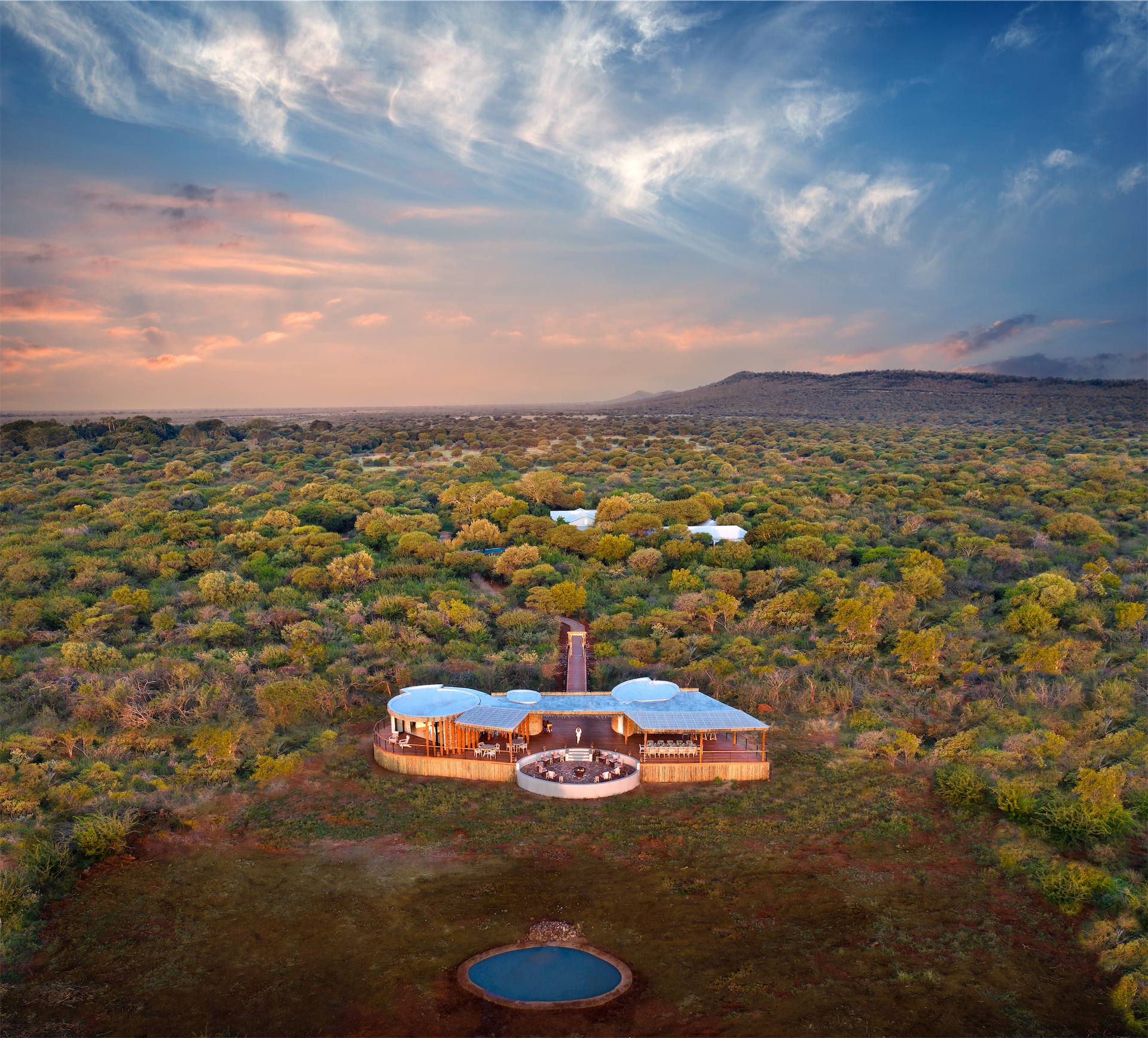
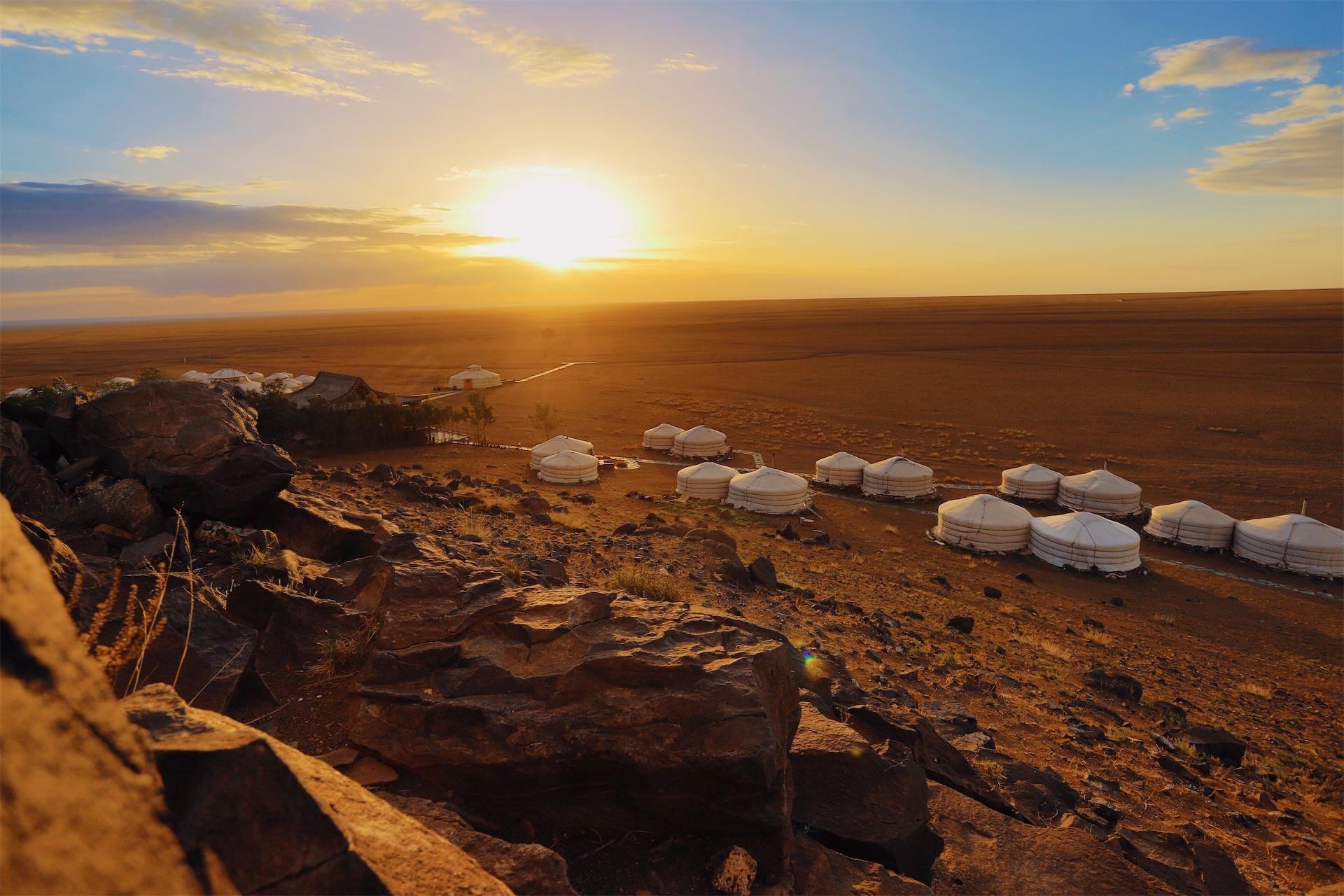
A pioneering luxury eco-lodge of handcrafted felt-and-canvas gers and a Buddhist-temple-inspired main lodge at the foot of Bulagtai Mountain, in the heart of one of the largest and least visited deserts on Earth
Who It Is Best For
Adventurous travelers, photographers, design enthusiasts, paleontology and culture buffs, stargazers, and anyone drawn to one of the most remote and quietly extraordinary landscapes on Earth. Family gers accommodate children aged eight and above.
Travel Mood
Main Activities
Bactrian camel treks, hikes through Yol Valley National Park, paleontology expeditions at the Flaming Cliffs, sand dune walks, visits with nomadic families, mountain biking, 4×4 wildlife expeditions, stargazing, Mongolian massage at the Spa Ger
Signature Feature
Mongolia’s first luxury eco-lodge and a founding member of National Geographic Unique Lodges of the World, where handcrafted gers, Buddhist-inspired architecture, and nomadic hospitality meet under one of the darkest night skies on Earth
Three Camel Lodge
A pioneering eco-lodge of traditional gers in Mongolia's Gobi Desert
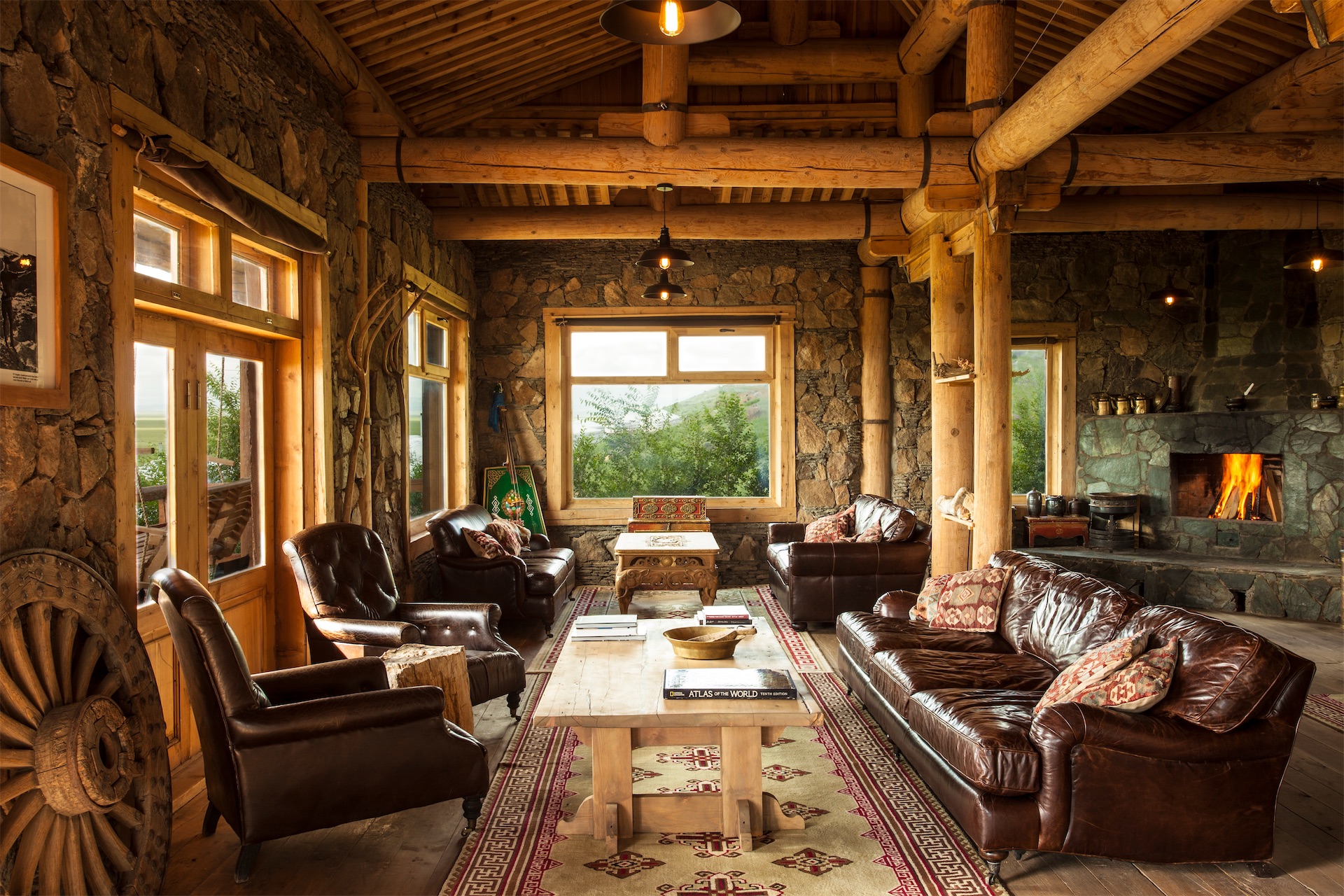
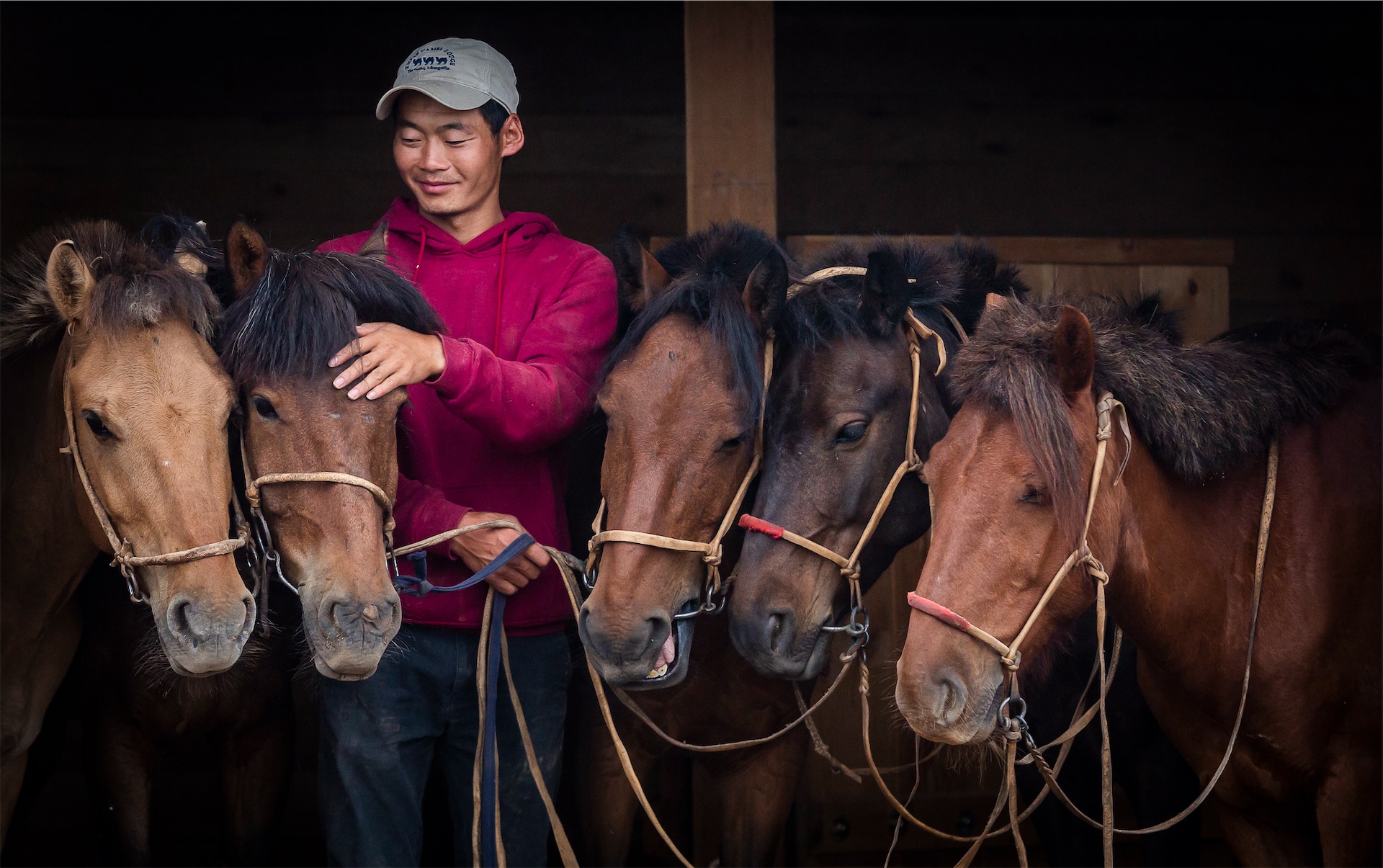
Three Camel Lodge stands at the foot of Bulagtai Mountain in Mongolia’s southern Gobi, where more than thirty handcrafted gers and a Buddhist-style main lodge make up the first luxury eco-lodge to open in the country. Founded in 2002 by Mongolian-American Jalsa Urubshurow, the property was built by local artisans using traditional construction techniques and continues to be staffed entirely by Mongolians. It is one of the founding members of National Geographic Unique Lodges of the World.
Overview
Mongolia’s Gobi covers more than half a million square miles, stretching across the south of the country and into northern China in a landscape of vast empty horizons, drifting sand dunes, ice-filled canyons, ancient petroglyphs, and a nighttime sky regularly counted among the darkest and clearest on Earth. Wildlife in the region includes the two-humped Bactrian camel, Gobi bear, ibex, snow leopard, and Lammergeier vulture, alongside nomadic herders whose way of life has remained much the same for centuries.
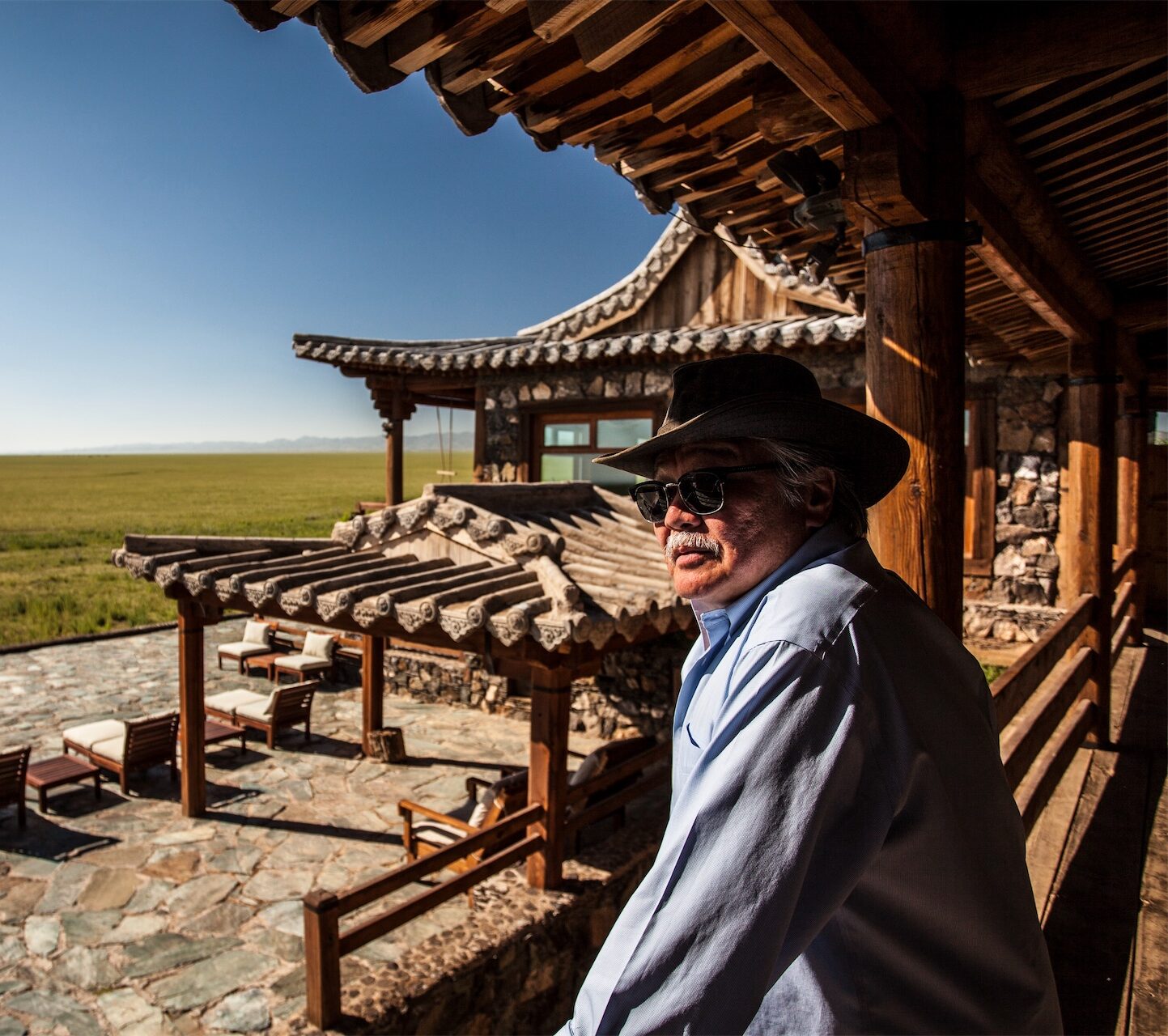
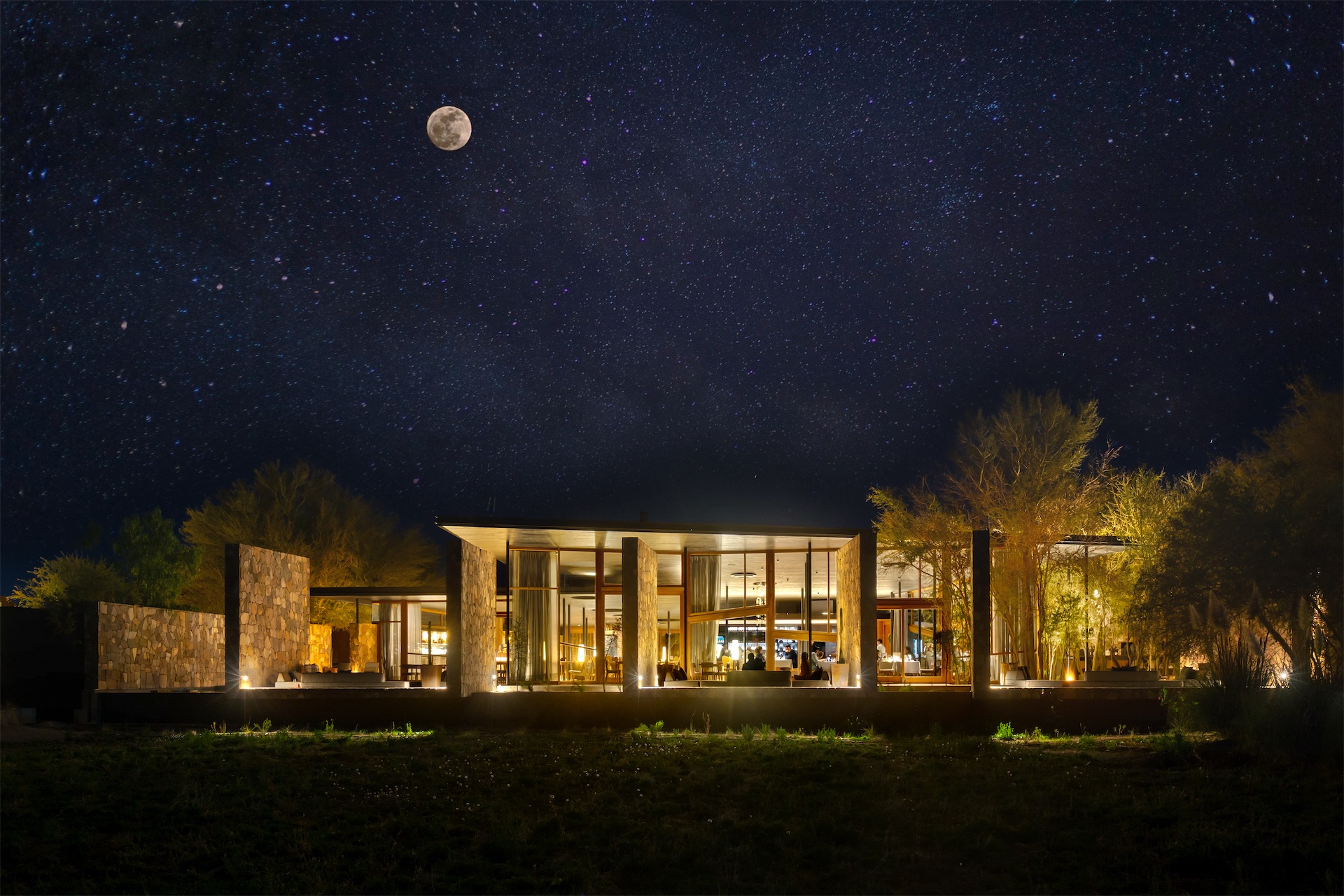
Mongolian-American Jalsa Urubshurow opened Three Camel Lodge in 2002 as the first luxury eco-lodge in Mongolia. Born in New Jersey to a family that survived the upheavals of the Second World War in Kalmykia and emigrated to the United States, Urubshurow grew up on stories of Mongolia and returned to the country in 1990 to share it with travelers through his expedition company, Nomadic Expeditions. The lodge itself was designed in close collaboration with local artisans, with a main building modeled on traditional Mongolian Buddhist temples in the soum style, hand-molded roof tiles, locally quarried stone, and gers built by hand using construction methods passed down through generations.
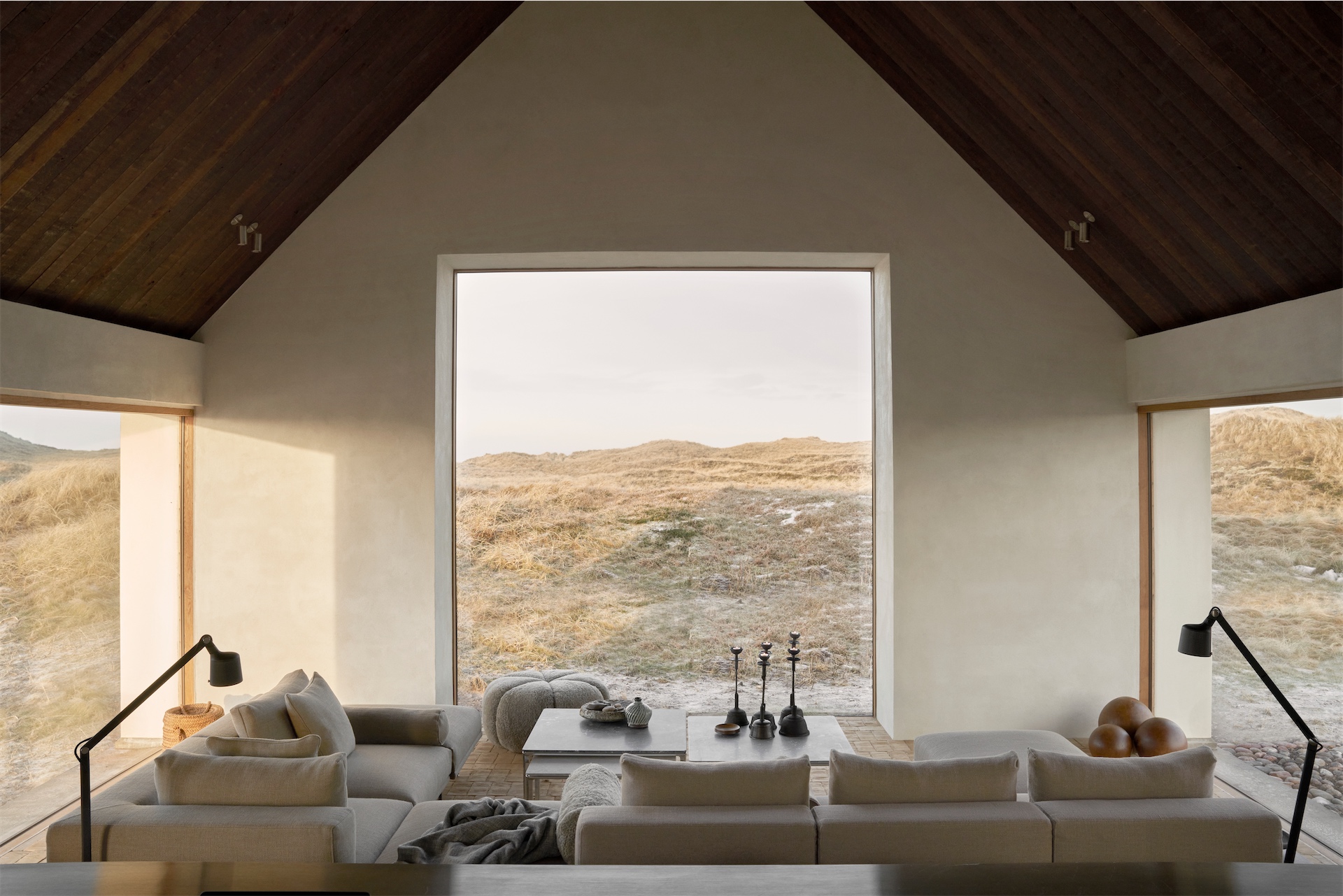
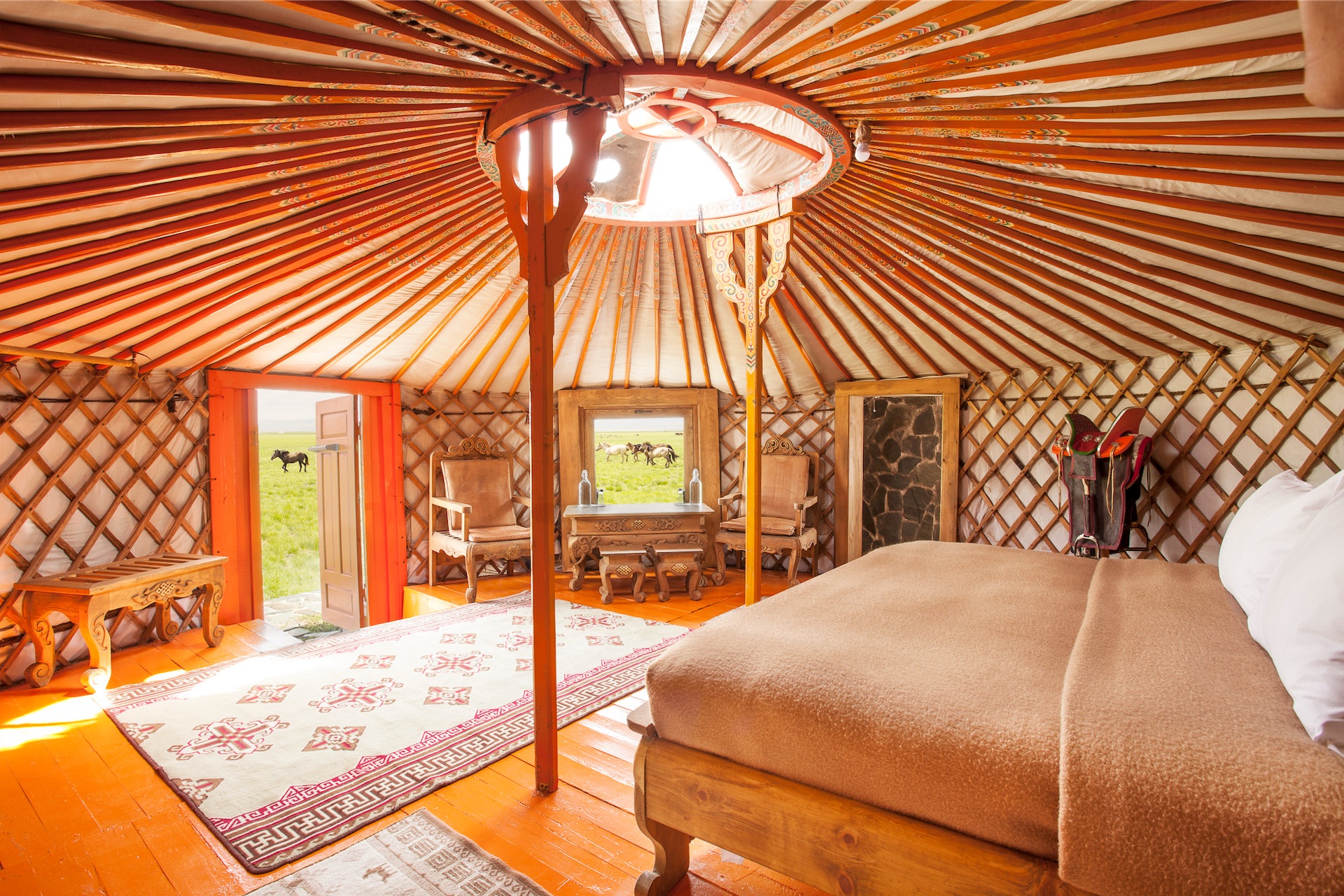
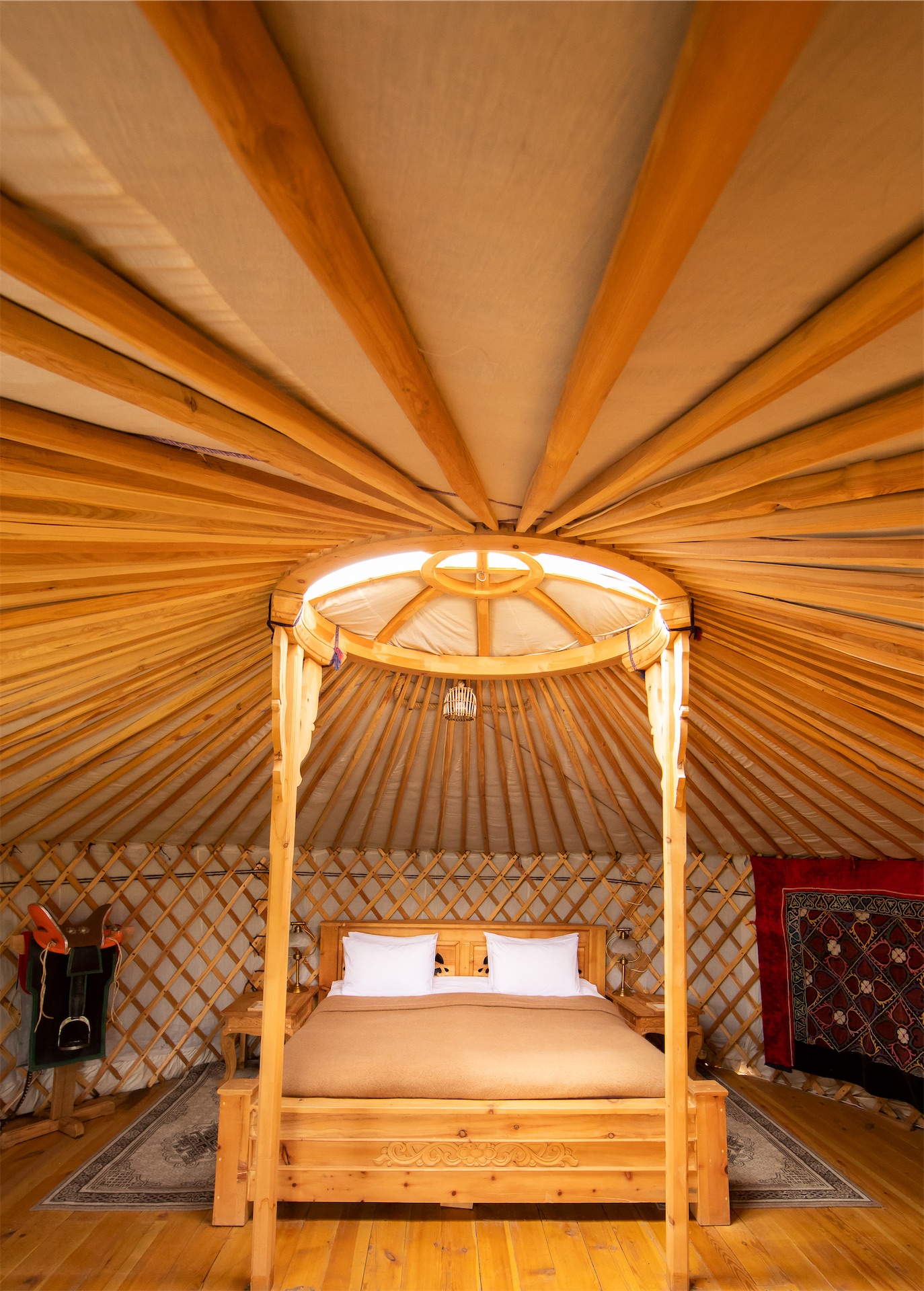
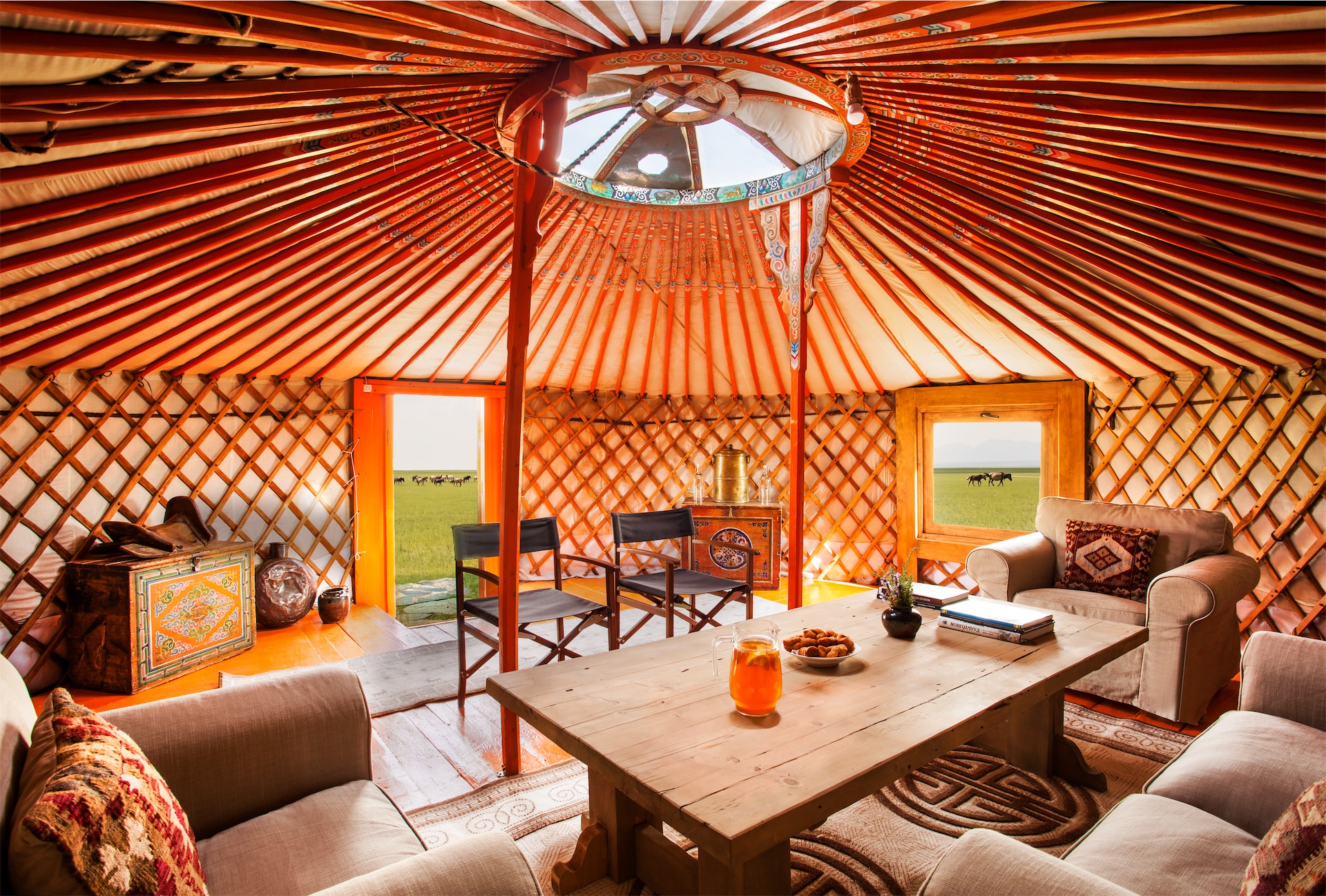
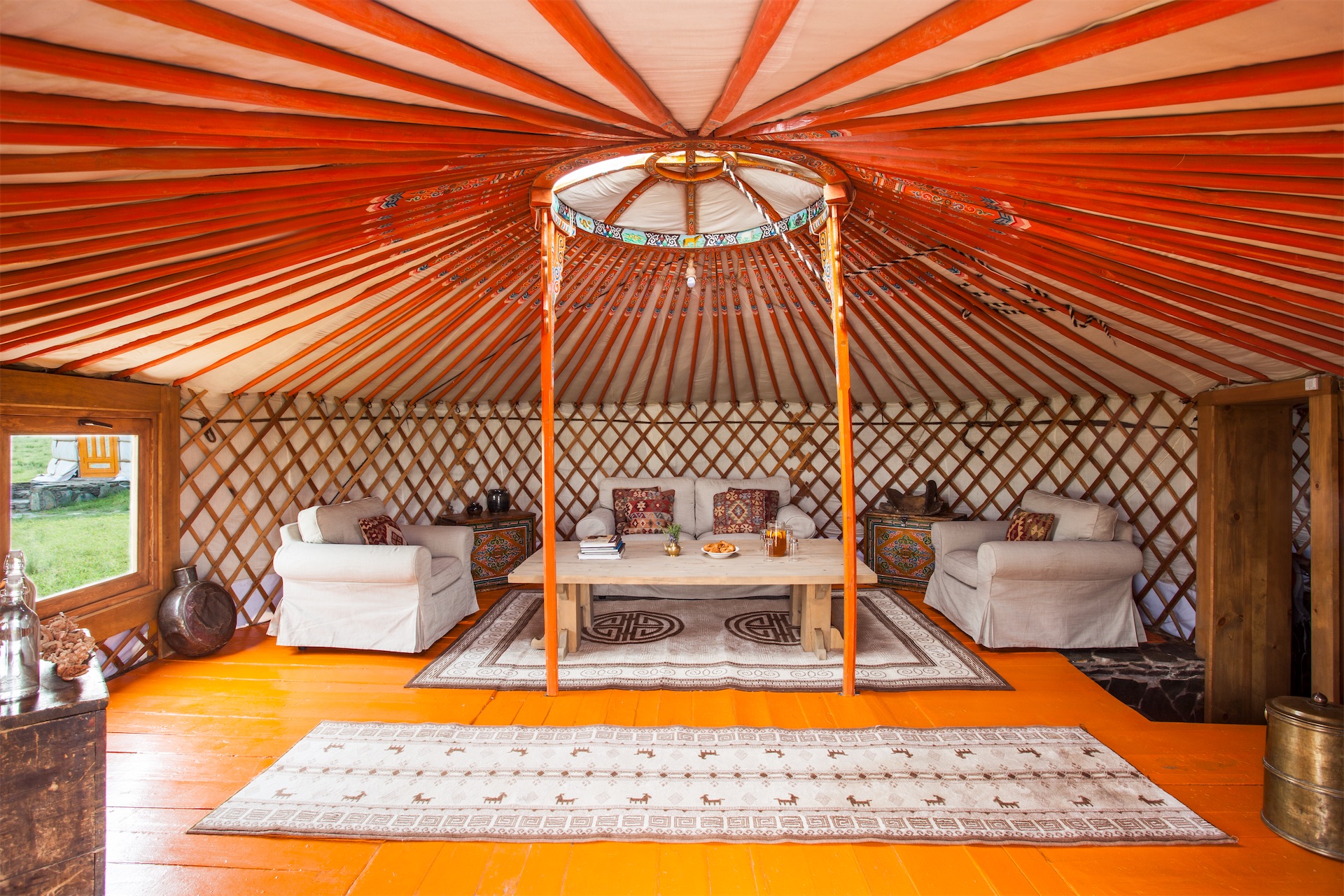
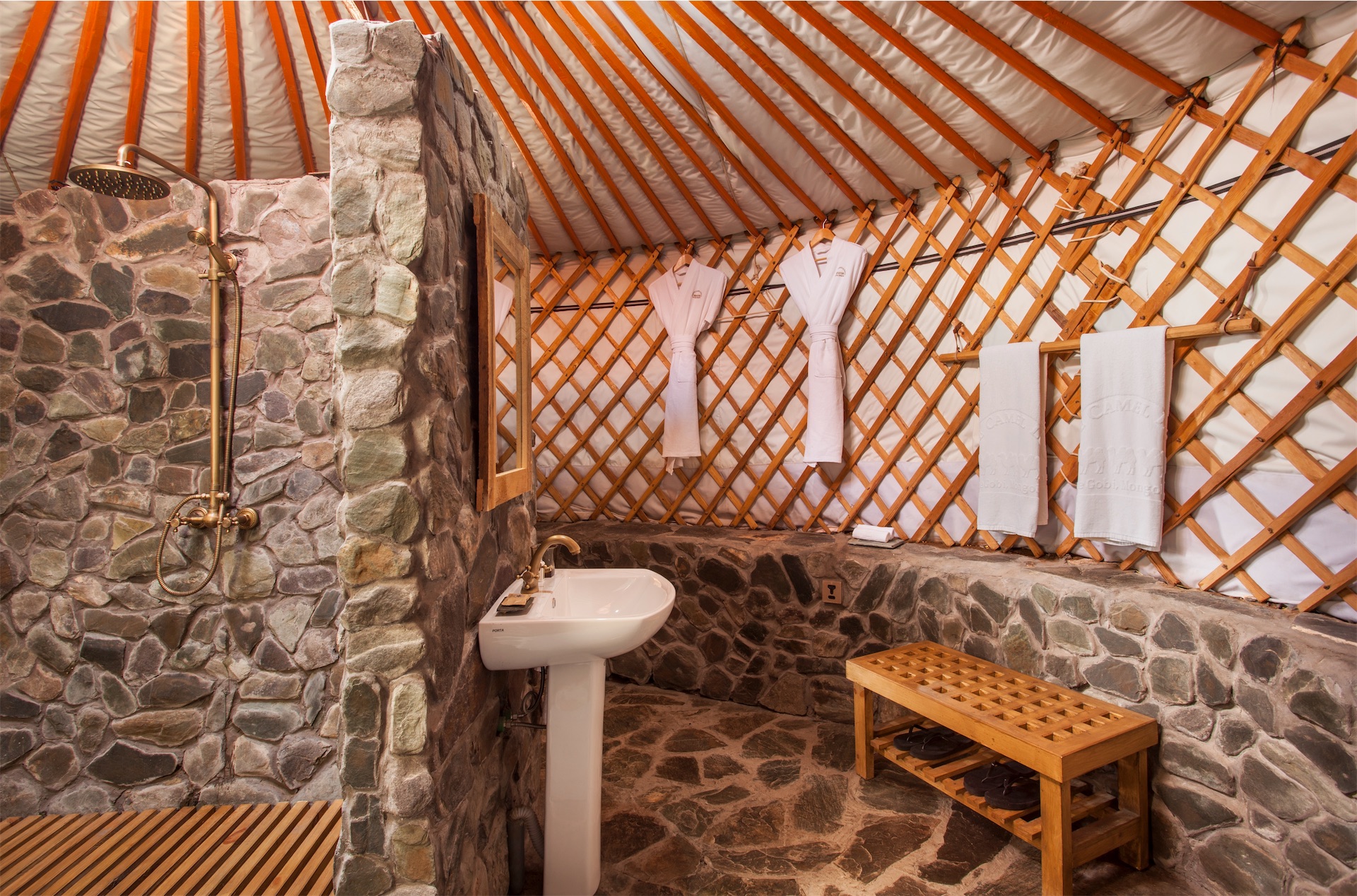
Lodging is spread across more than thirty handcrafted gers, each built on a latticed wood frame and covered in layers of felt and canvas in the same tradition Mongolian nomads have used for centuries. Every ger has a wood stove for heating, hand-painted king or double beds, custom Mongolian furnishings, and a private bathroom with shower. Each ger faces south, in keeping with Mongolian tradition, and the central oculus, used historically as a sundial, doubles as a stargazing window from the privacy of the bed. Two family gers offer two bedrooms linked by a bathroom, suited to families with older children. The lodge has no telephones and no internet access, by design.
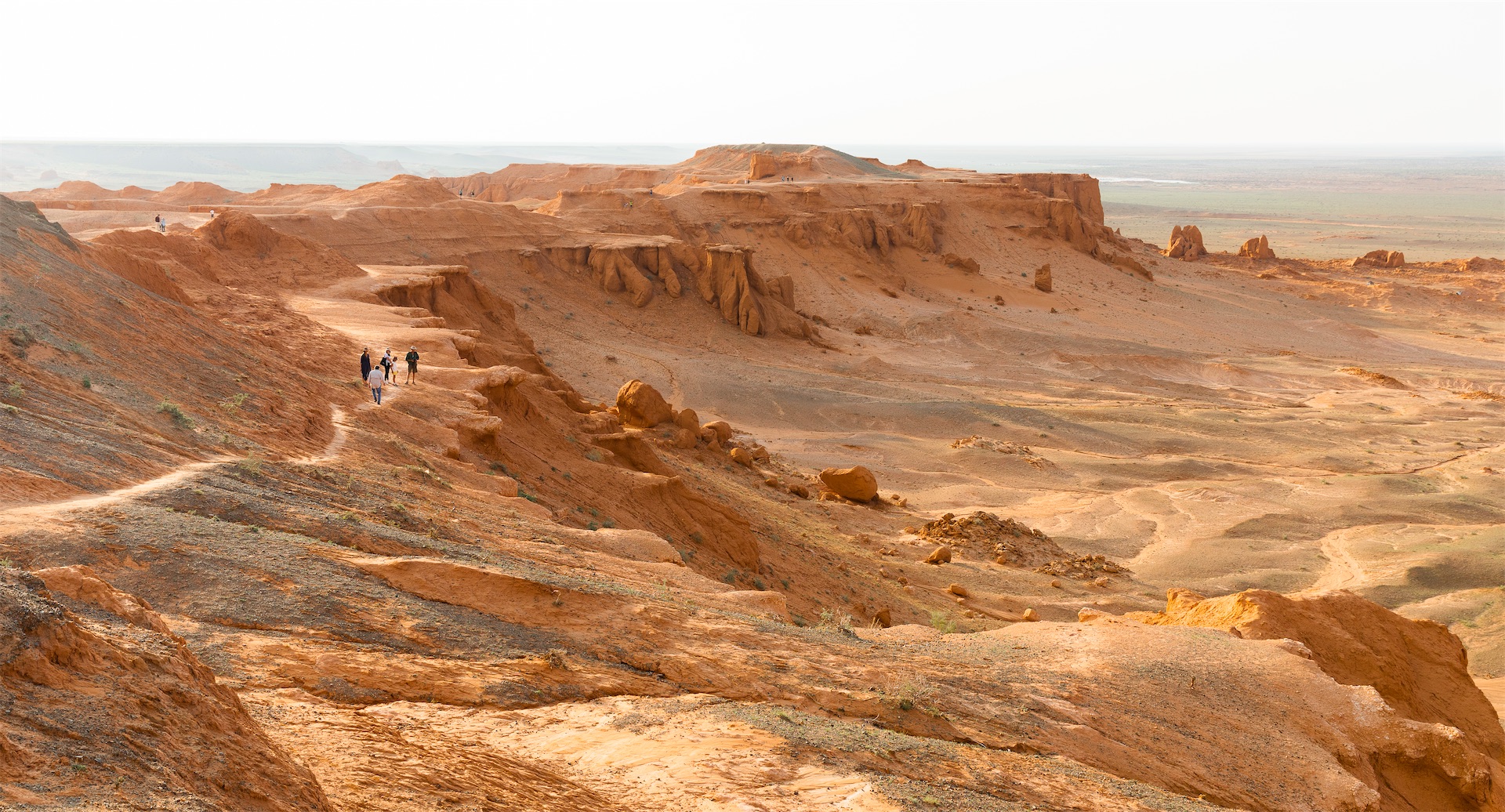
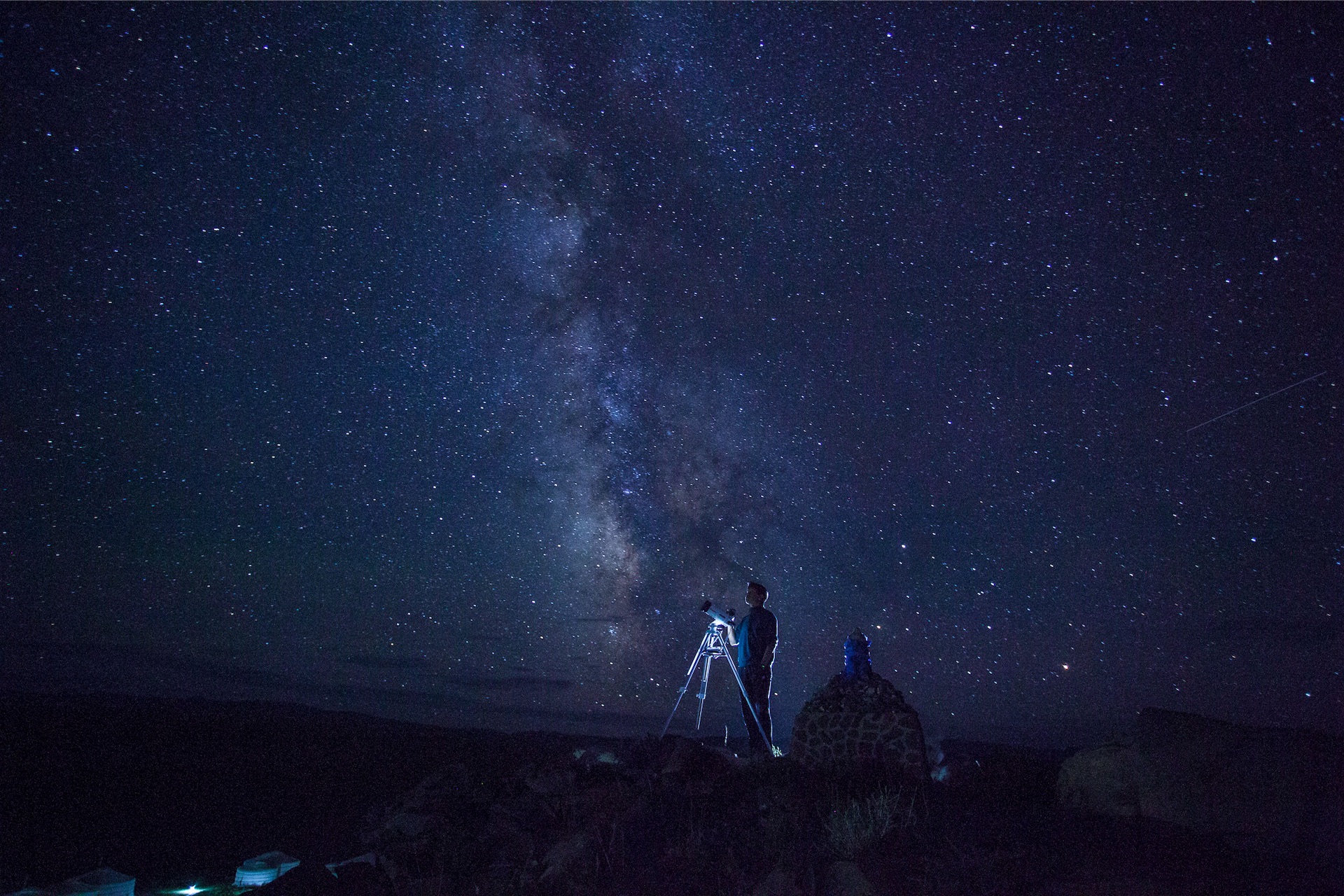
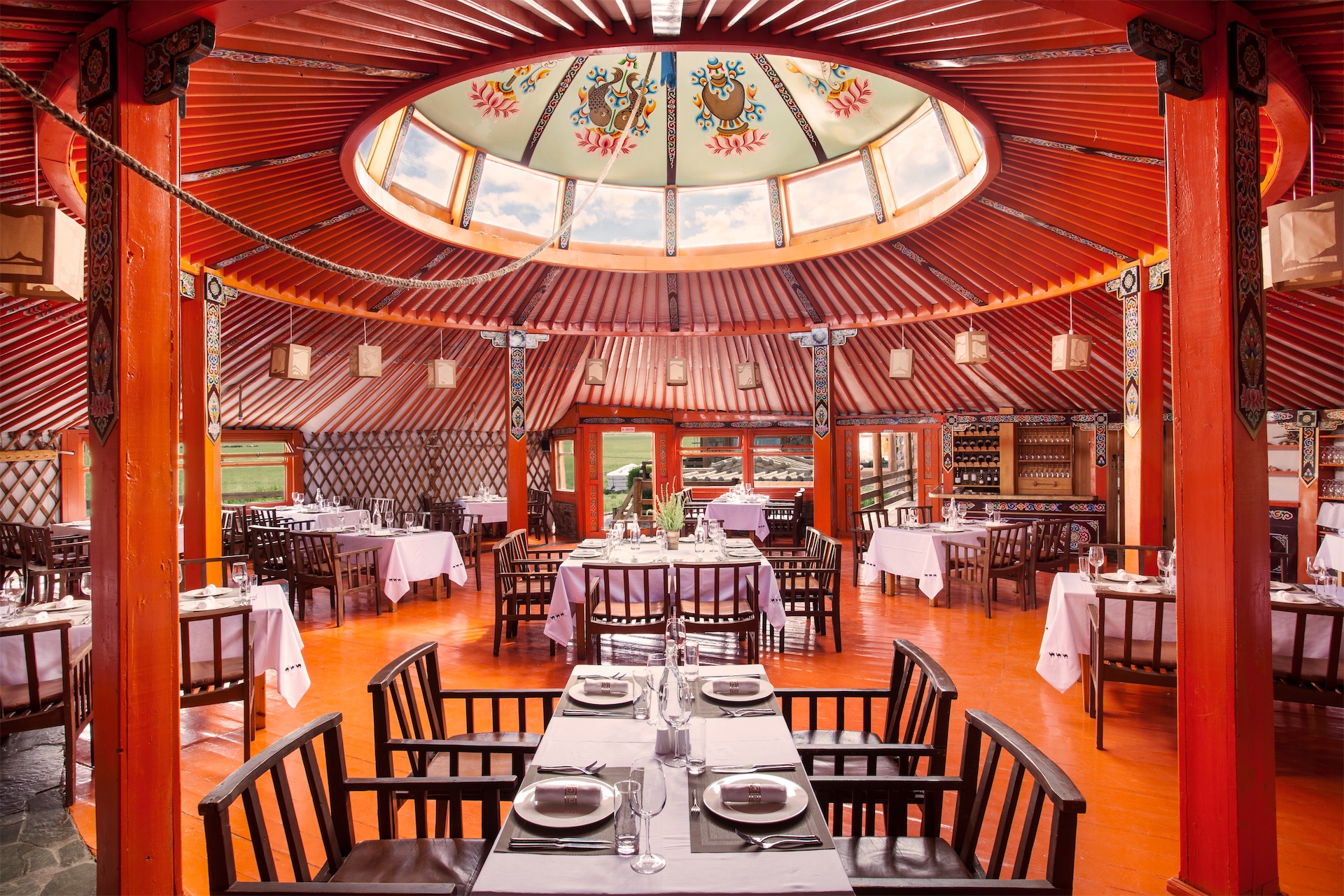
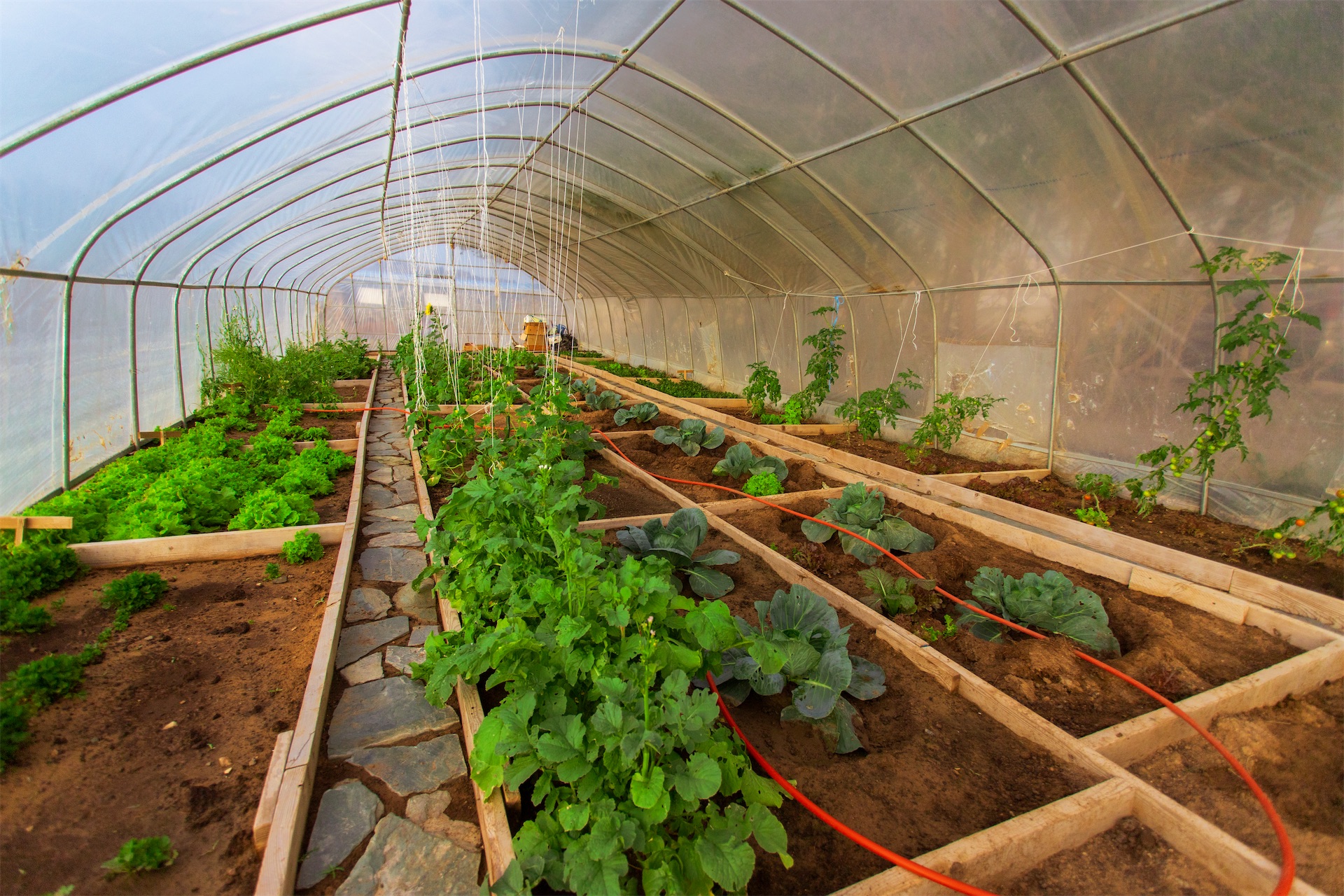
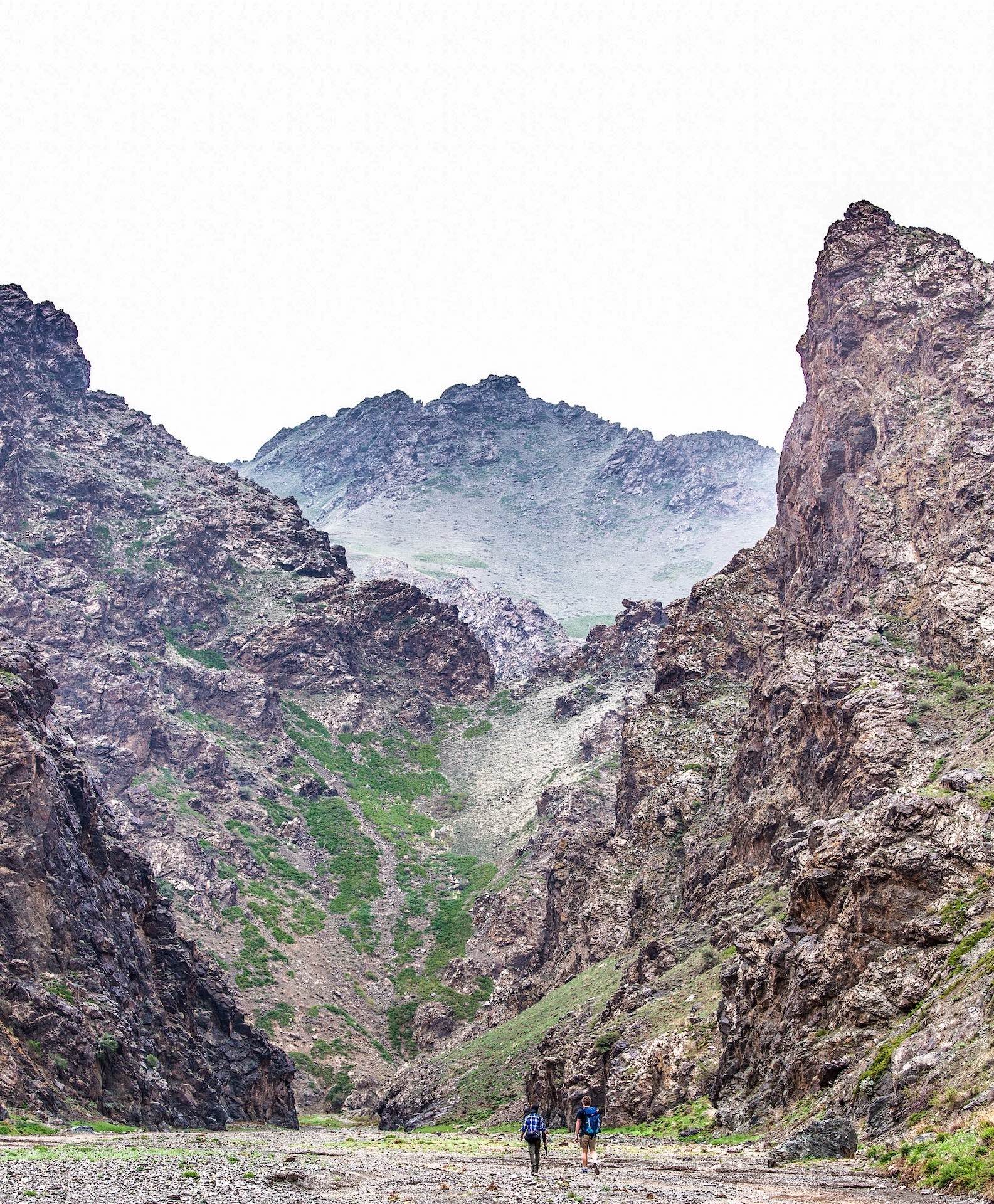
The pace of a stay is set by the desert. Days unfold across camel treks on Bactrian camels through the Moltsog and Khongor sand dunes, fossil expeditions to the Flaming Cliffs where the world’s first dinosaur eggs were discovered in 1923, guided hikes through the ice-filled canyons of Yol Valley National Park, and visits with nomadic herding families who keep the open-door tradition of Mongolian hospitality. Bulagtai Restaurant, set within an oversized ger inside Dino Hall, serves Mongolian classics such as buuz dumplings and tsuivan noodles alongside Western dishes built around vegetables grown at the nearby Bulgan organic farms. Evenings end at the Thirsty Camel Bar or the Spa Ger for a Mongolian-inspired massage practiced by a local bariach. The night sky, undimmed by any light pollution for hundreds of miles, is the quiet headline of every stay.
Photography courtesy of Three Camel Lodge.
"The Gobi Desert has a way of changing people. Its vastness and silence invite reflection, and many guests leave with a renewed appreciation for nature and for cultures that live in harmony with the land."
— Jalsa Urubshurow, Founder
Tips & Recommendations
01 / 05
Nearest Airport
Dalanzadgad Airport (DLZ), 70 kilometres from the lodge, with 1 hour 30 minute domestic flights from Ulaanbaatar via MIAT, Hunnu Air, and Aero Mongolia. International arrivals connect via Chinggis Khaan International Airport (UBN) in Ulaanbaatar.
02 / 05
Getting There
A one hour off-road transfer in a Land Cruiser from Dalanzadgad carries guests across the desert to the lodge. Alternatively, an eight hour overland drive from Ulaanbaatar offers a slower arrival across the Mongolian steppe. A private airstrip on the property accommodates charter planes and helicopters.
03 / 05
Best Time to Visit
The lodge operates from mid-May through early October. Late May and June bring cool, breezy days and the emerging green steppe. July and August are warmer and ideal for camel treks. September and early October offer crisp days, vivid light, and the autumn migration of birds. The lodge closes in winter.
04 / 05
What to Bring
Layers, layers, layers. Mongolia's weather can shift through several seasons in a day. Pack thermals, a windproof and waterproof jacket, sturdy hiking boots, gloves, a warm hat, sunglasses, and high-SPF sun protection. Mongolian felt slippers and bathrobes are provided in every ger.
05 / 05
Staying at Three Camel Lodge
Resist the urge to rush. The Gobi rewards stillness as much as movement. Plan one or two big expeditions, such as a sunrise at the Flaming Cliffs or a camel trek across the dunes, and reserve evenings for the night sky and afternoons for the Spa Ger. There is no phone signal or internet, by design.
Nearby Attractions
Flaming Cliffs (Bayan Zag)
4PRC+X6G, Flamming Cliffs, Bulgan Soum, Ömnögovi, Mongolia - 27.8km
Nature
Yol Valley National Park
G2VQ+594, Баяндалай, Ömnögovi, Mongolia - 45.8km
Nature
Hongoryn Els (Singing Sands)
P8RM+GXJ, Ömnögovi, Mongolia - 113.9km
Nature

Plan Your Stay
Other Stays
Check Availability
Close