
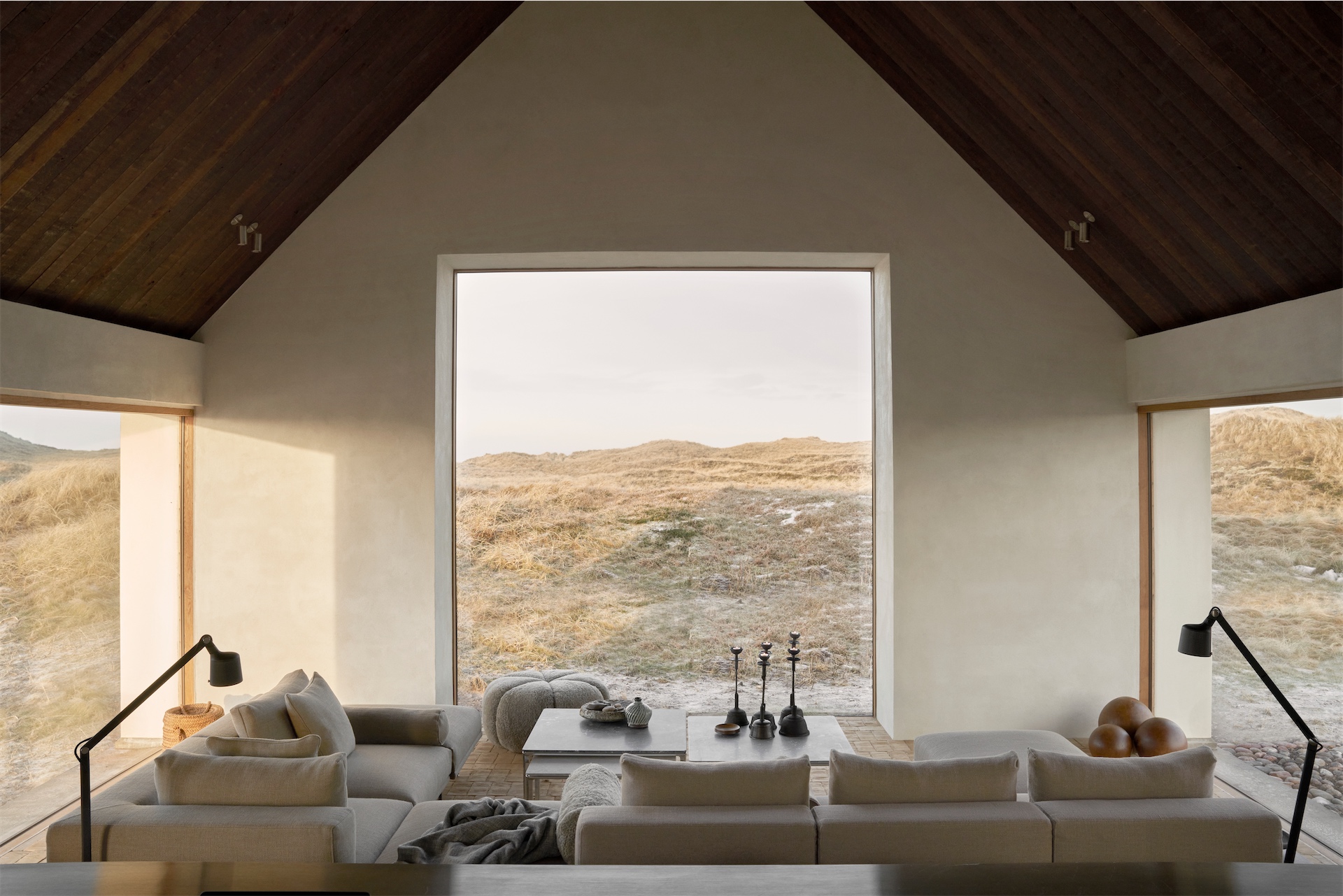
Beniya Mukayu: A Zen Ryokan of Quiet Beauty in Yamashiro Onsen
Mar 09, 2026

On the wooded slopes of Yakushiyama, overlooking the historic hot spring village of Yamashiro Onsen, Beniya Mukayu invites guests into a rare state of quiet awareness. This intimate ryokan in Japan’s Kaga region is guided by a simple yet profound philosophy: Mukayu, a Zen concept meaning “richness in emptiness.” Here, architecture, hospitality and landscape are intentionally pared back, allowing nature, light and time to shape the experience. With only sixteen rooms, each opening onto a forest garden and featuring a private hot spring bath, Beniya Mukayu offers travelers something increasingly rare in modern life: space to release the rhythm of the outside world.
On the wooded slopes of Yakushiyama, overlooking the historic hot spring village of Yamashiro Onsen, Beniya Mukayu invites guests into a rare state of quiet awareness. This intimate ryokan in Japan’s Kaga region is guided by a simple yet profound philosophy: Mukayu, a Zen concept meaning “richness in emptiness.” Here, architecture, hospitality and landscape are intentionally pared back, allowing nature, light and time to shape the experience. With only sixteen rooms, each opening onto a forest garden and featuring a private hot spring bath, Beniya Mukayu offers travelers something increasingly rare in modern life: space to release the rhythm of the outside world.
A FAMILY LEGACY IN JAPAN’S HISTORIC KAGA ONSEN REGION
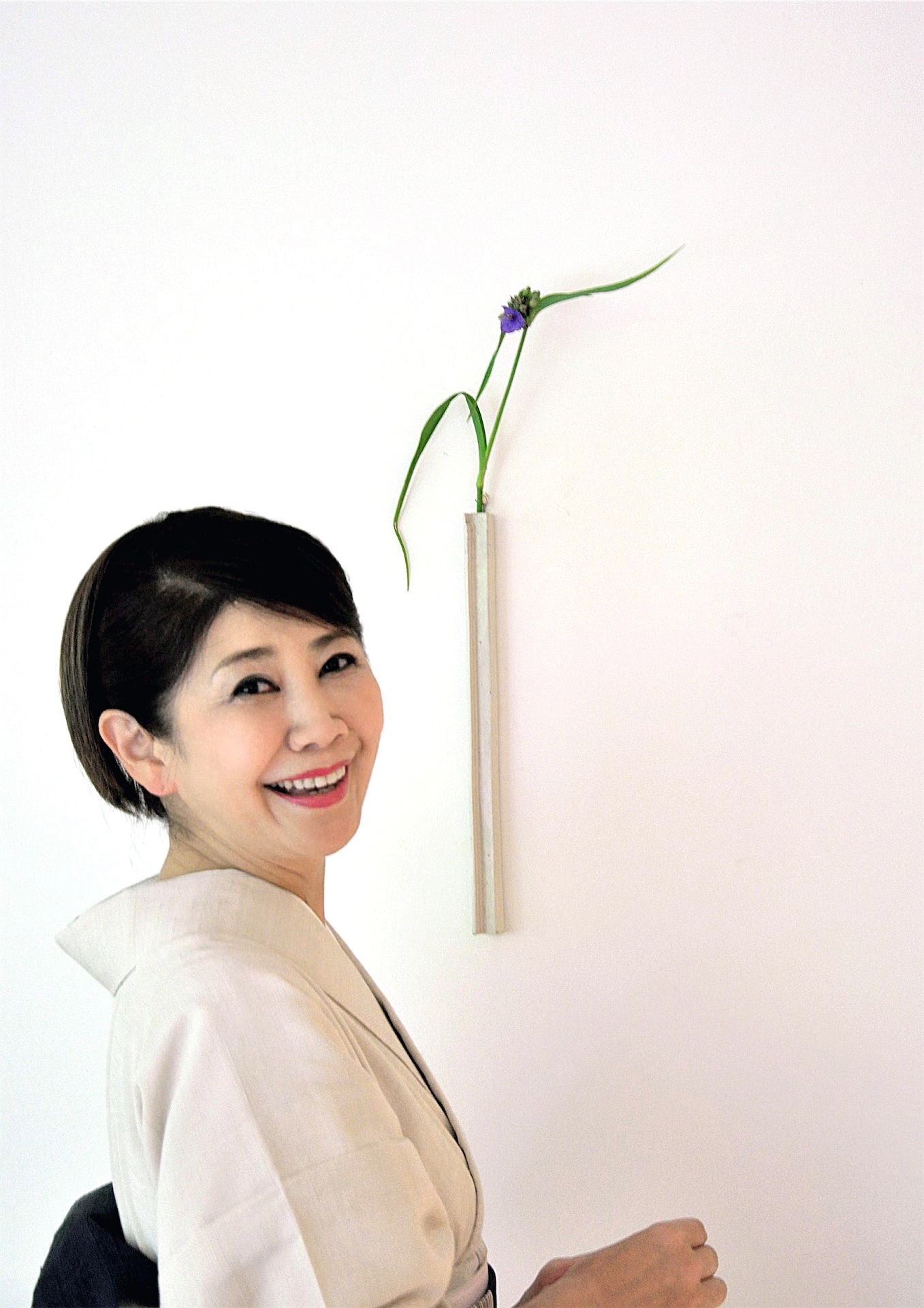
Beniya Mukayu is the continuation of a family story that began nearly a century ago. Sachiko Nakamichi, the ryokan’s third-generation owner, joined the family business shortly after marrying into it, leaving her career as an elementary school teacher to help shape its future.
“I was born and raised in Kanazawa,” she explains. “My husband’s family has owned and run a ryokan in Yamashiro Onsen since 1928.”
The story began with a modest noodle shop opened by her husband’s grandparents in the village. Over time, the business evolved into a ryokan and eventually moved to its current location on Yakushiyama, the “Healing Buddha’s Mountain,” overlooking Yamashiro Onsen.
The defining moment came in 1998 when the family began collaborating with architect Sey Takeyama.
“Ten years after I joined the ryokan, the vision of Mukayu became clear through our collaboration with architect Sey Takeyama,” Sachiko recalls.
Together they transformed the property into something deeper than a traditional inn. It became a modern interpretation of a Japanese villa retreat, designed around quiet reflection, nature and space.
THE MEANING OF MUKAYU: RICHNESS IN EMPTINESS
The philosophy of Mukayu shapes every aspect of the ryokan. Rooted in Zen thought, the concept suggests that emptiness is not absence, but potential.
“Mukayu means ‘richness in emptiness,’” Sachiko explains. “The time guests spend here remains like an empty space in their schedule book.”
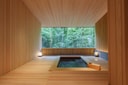
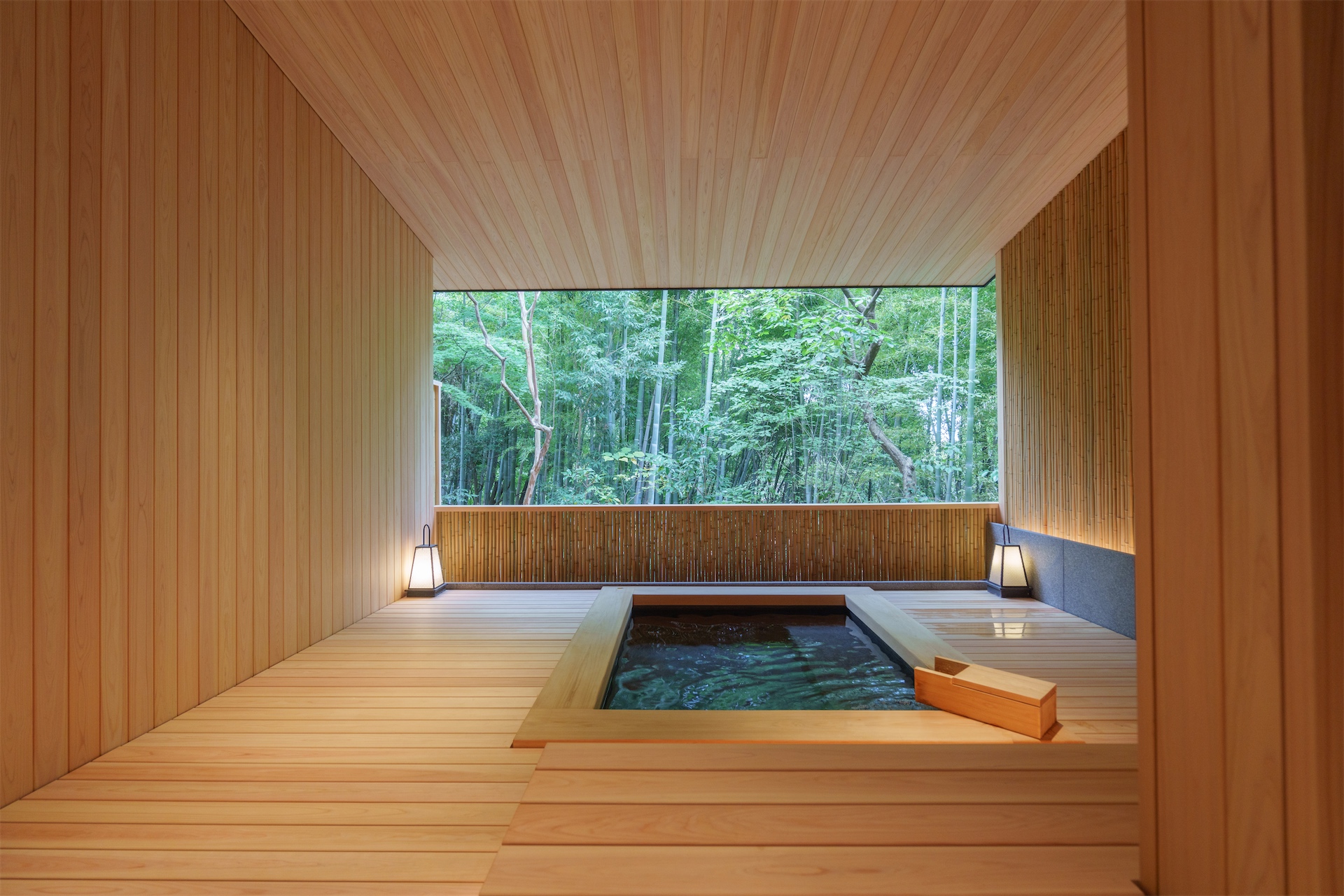
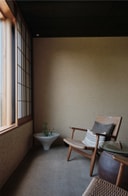
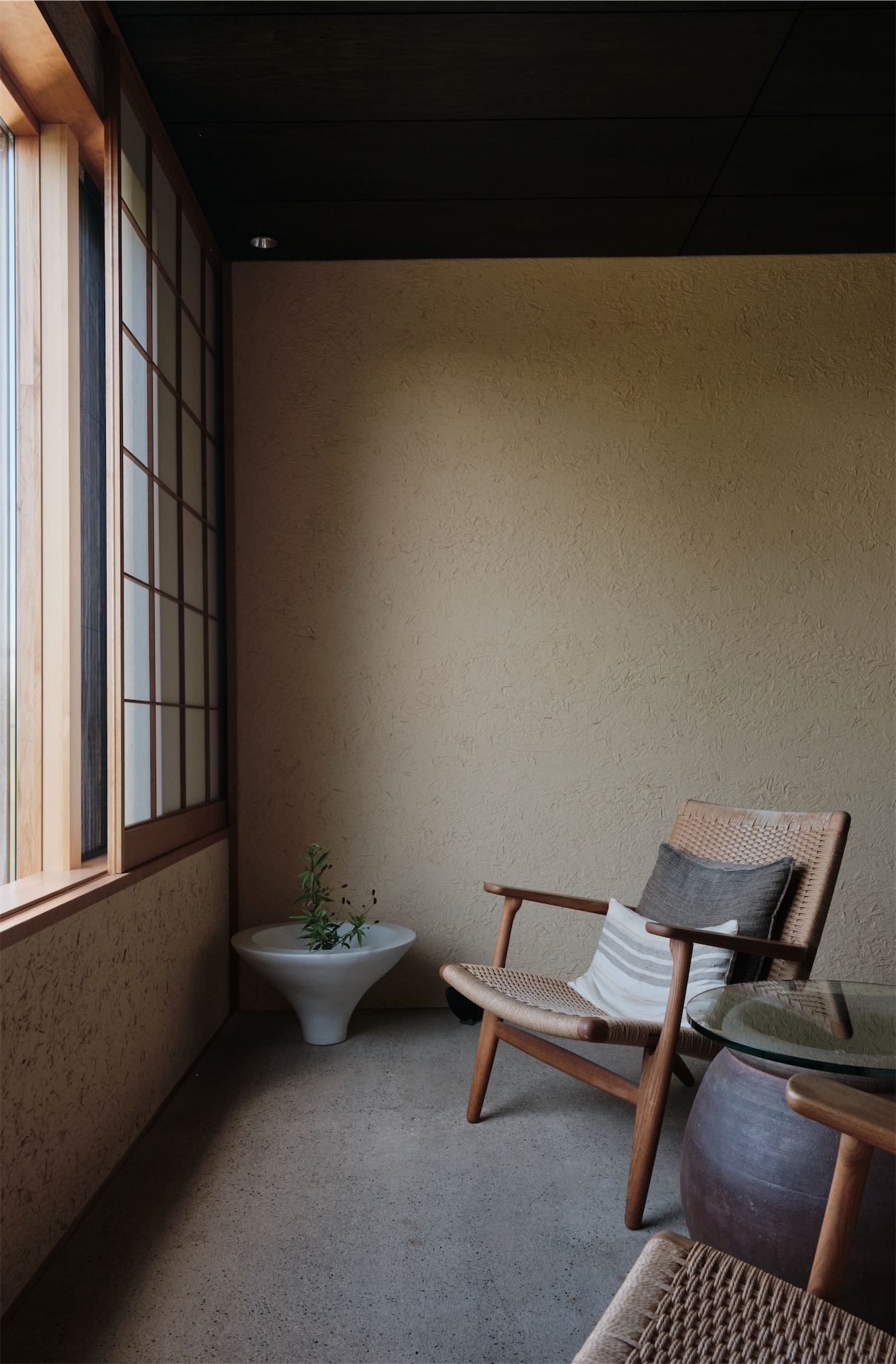
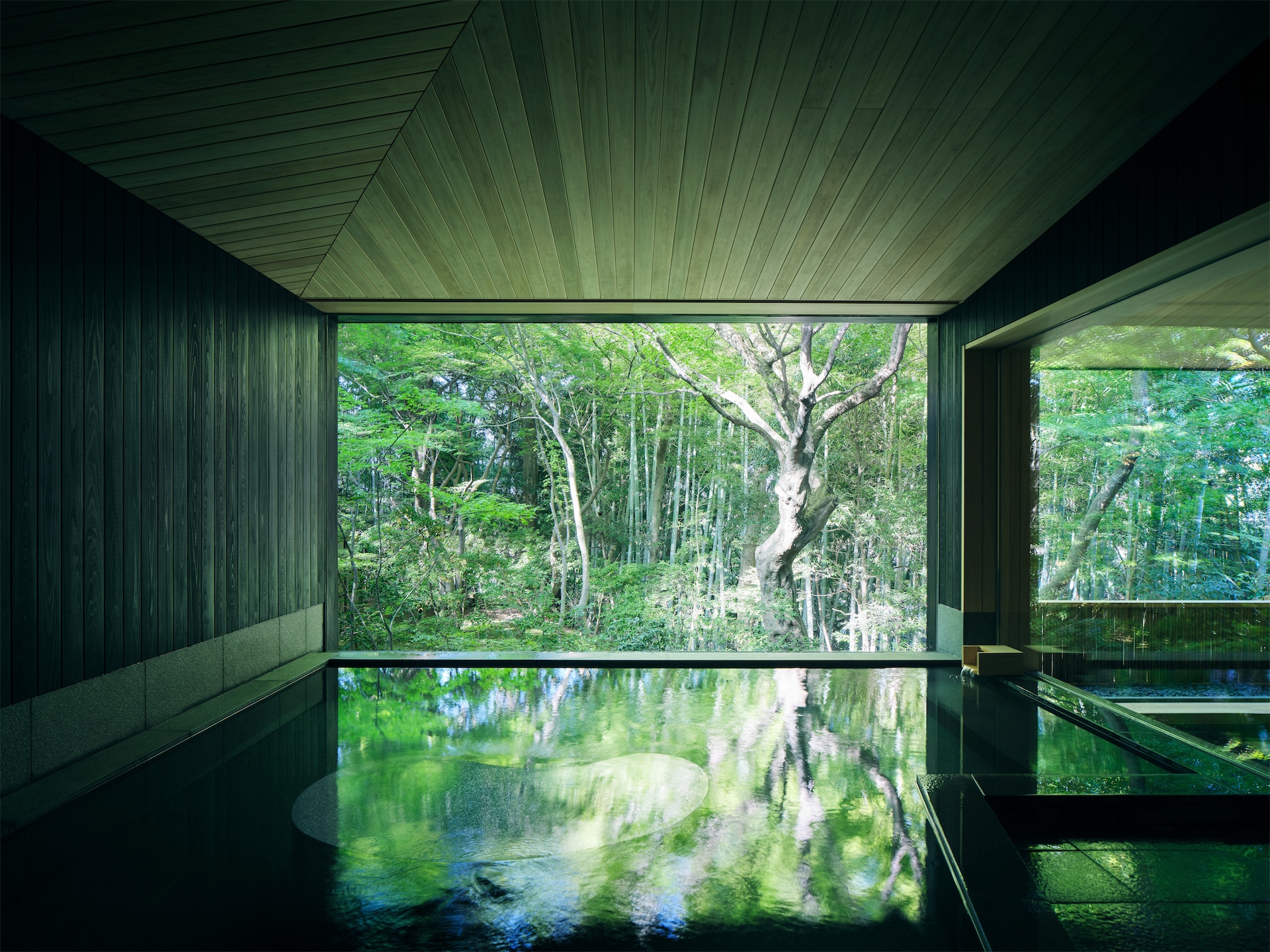
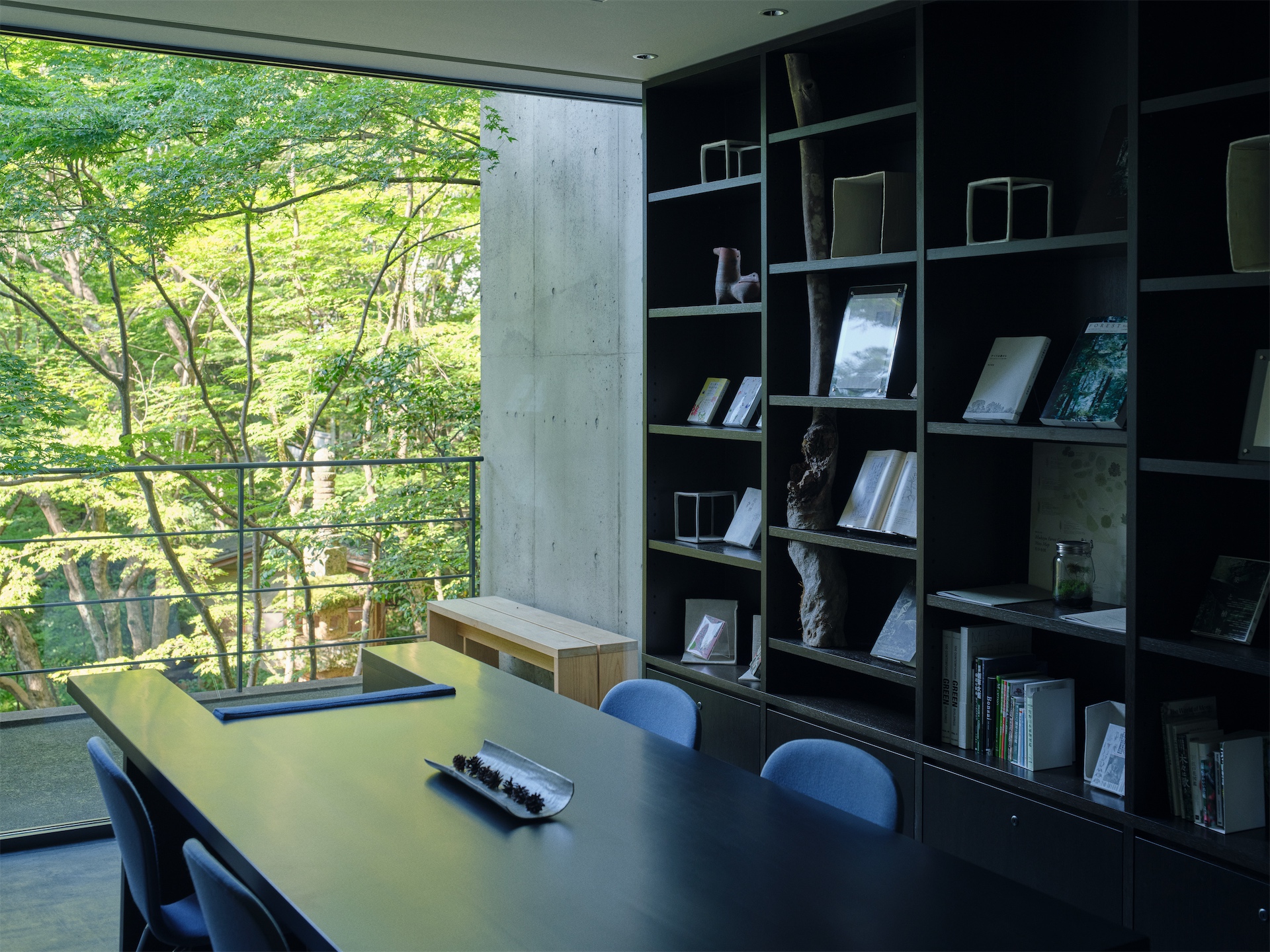
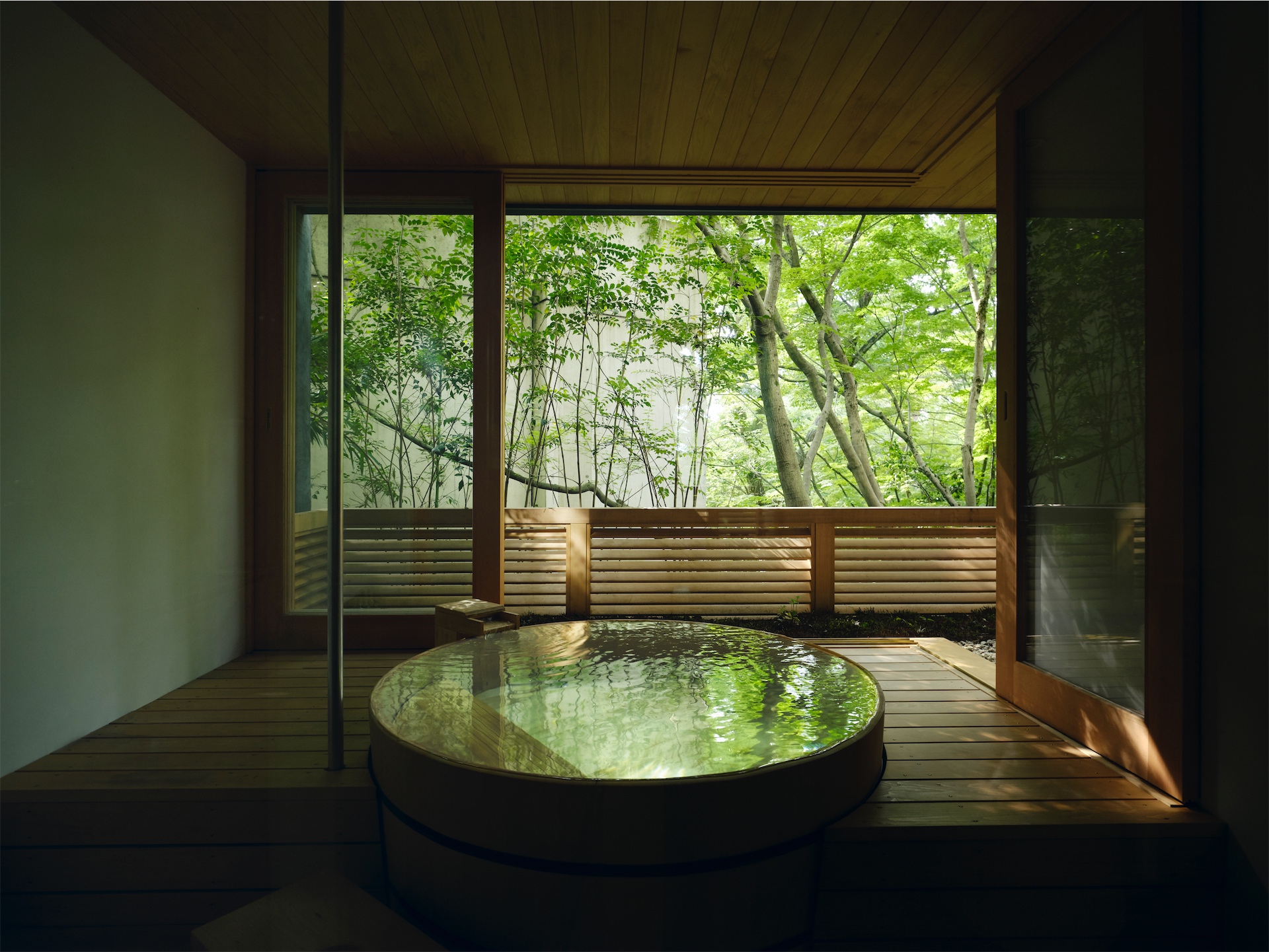
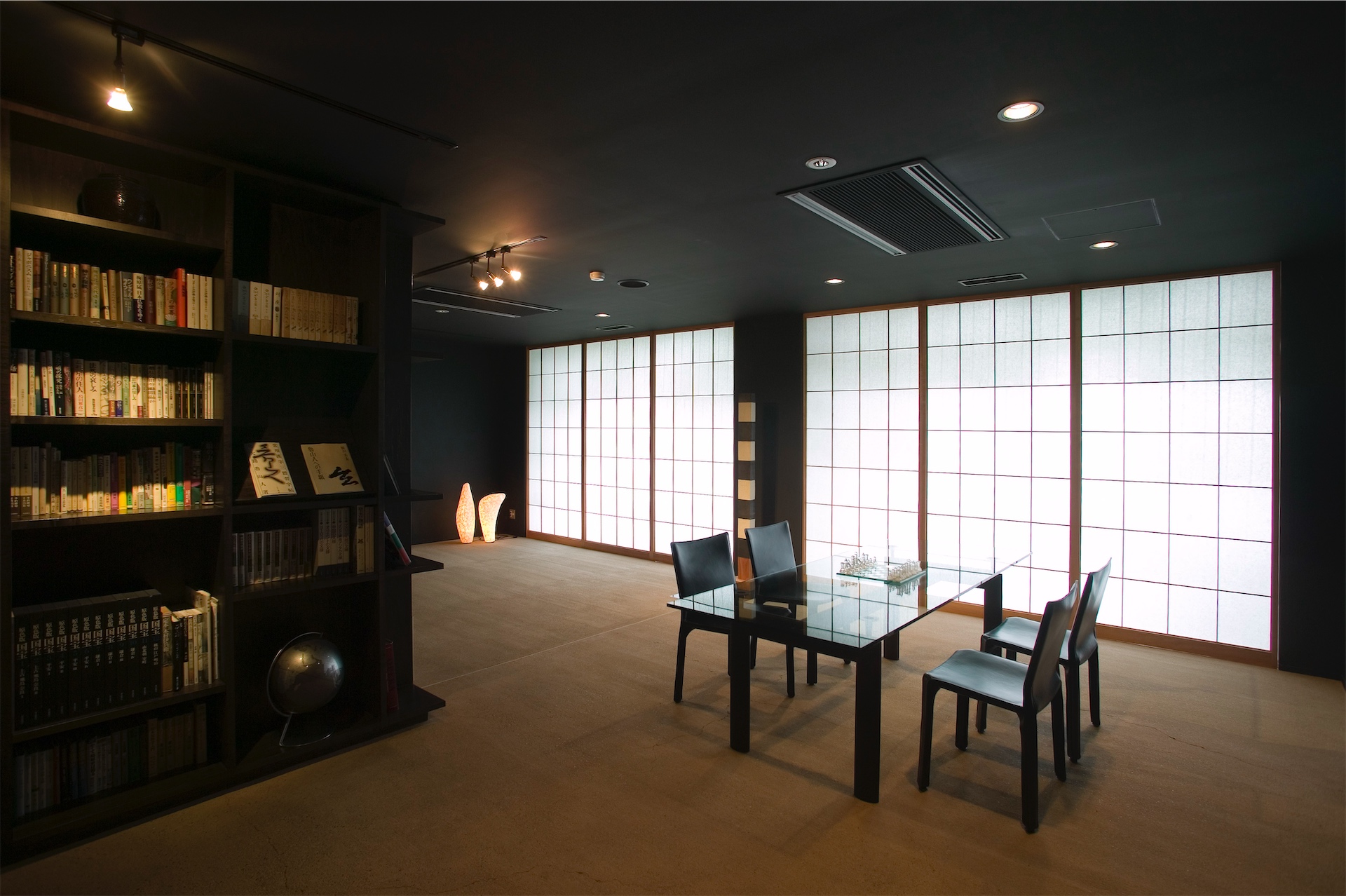
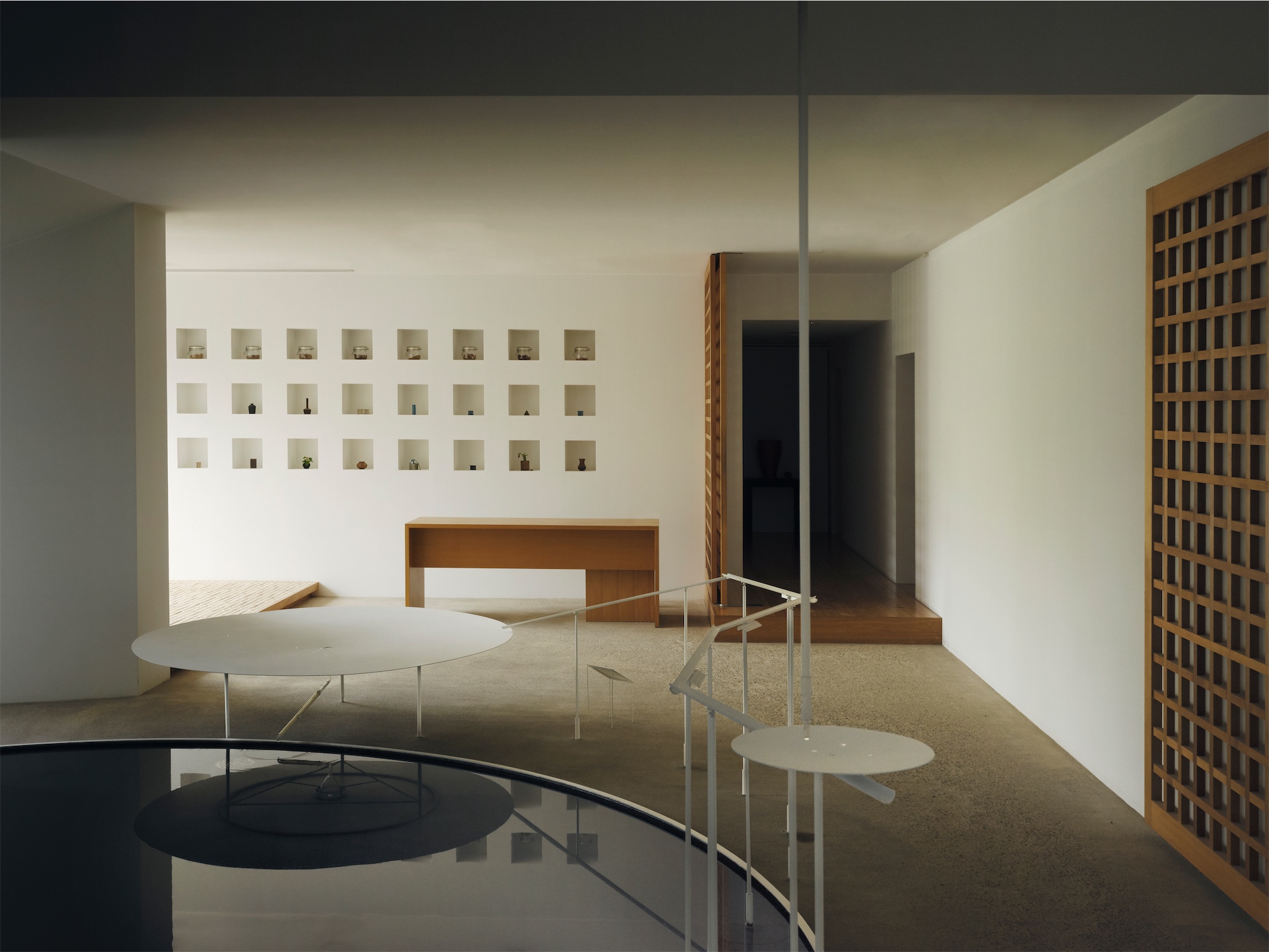
Architecture reflects this principle. Rooms are intentionally minimal. Tatami mats, clay walls and shoji screens create a calm, restrained atmosphere. Windows open fully onto the forest garden, allowing light, shadow and seasonal change to become part of the interior environment.
Flowers displayed inside the ryokan are gathered from the same wild species that grow outside in the garden. Private wooden baths are filled with hot spring water that mirrors the surrounding trees. Furniture is kept simple, allowing the space itself to breathe.
“Our guests often have very busy lives,” Sachiko says. “For them, Beniya Mukayu is a place to escape routine and release the body and mind from daily life.”
What appears empty becomes deeply full: of silence, of light, of presence.
“Mukayu means ‘richness in emptiness’. For our guests, the time spent here becomes a quiet space within their busy lives.”
— Sachiko Nakamichi, Third generation owner

LIVING WITH NATURE IN YAMASHIRO ONSEN
Beniya Mukayu is inseparable from its setting. Yamashiro Onsen, where the ryokan stands, has welcomed travelers for more than 1,300 years. The village lies in Ishikawa Prefecture along the Sea of Japan, about an hour from the historic city of Kanazawa.
Kanazawa itself is one of Japan’s most culturally rich destinations, known for landmarks such as Kanazawa Castle and Kenrokuen Garden, considered one of the three most beautiful gardens in Japan.
After exploring the city’s museums, temples and artisan districts, guests often continue their journey into the countryside to reach Beniya Mukayu.
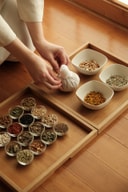
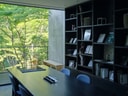
“Guests can relax in the Forest Garden, soak in hot spring baths, enjoy treatments at Spa Entei, and spend time in the libraries,” Sachiko explains.
The region also offers a deeper immersion into traditional Japanese craftsmanship. Visitors can discover Kutaniyaki porcelain or Yamanaka lacquerware, both centuries-old craft traditions rooted in Kaga culture.
For travelers moving between major cities such as Tokyo and Kyoto, Beniya Mukayu provides a meaningful pause within the journey.
RITUALS OF HOSPITALITY AND THE SPIRIT OF OMOTENASHI
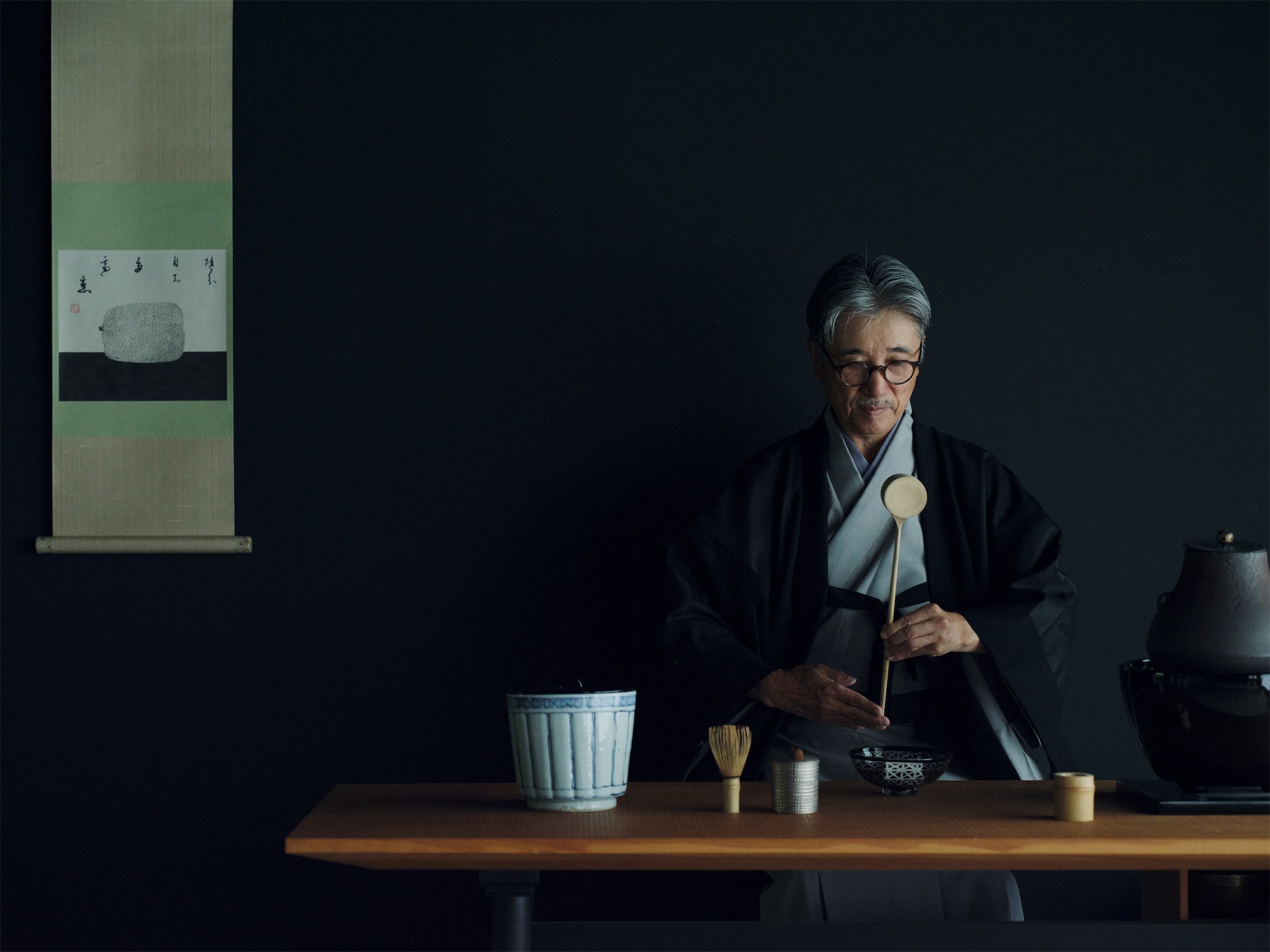
At Beniya Mukayu, hospitality unfolds through quiet ritual. Every afternoon, Sachiko and her husband Kazunari personally welcome guests through a traditional tea ceremony.
“I think the spirit of hospitality, omotenashi, is well expressed in the Japanese tea ceremony,” she says.
The ceremony is not simply about drinking tea. It embodies the Japanese philosophy of ichigo ichie, often translated as “once in a lifetime encounter.” Each gathering is treated as unique and unrepeatable.
“Every tea ceremony is considered a once-in-a-lifetime encounter,” Sachiko explains. “We should cherish every moment of every season.”
The practice encourages guests to notice subtleties often overlooked in everyday life: the scent of tea leaves, the movement of water, the shifting light in the garden.
Through these small gestures, the ryokan reveals something deeper about Japanese culture. Hospitality becomes a form of cultural exchange.
“I hope the hospitality guests experience here becomes a gateway to understanding the Japanese way of relating to nature,” Sachiko reflects.
And if that awareness remains after guests return home, she believes it can bring lasting happiness.
“Each tea ceremony is a once-in-a-lifetime encounter. When we cherish every moment of every season, life becomes richer.”
— Sachiko Nakamichi, Third generation owner


Plan Your Stay
- Complimentary late check-out (at 12.00)
Subscribe
Enjoy the read?
Get unique stays, hidden gems, and mindful travel tips delivered straight to your inbox—no spam, just wanderlust.
Other Stories

Property Spotlights
Rosso House & Farm: A Bavarian Farmstay Built on Italian Agriturismo and Japanese Wabi-Sabi

Property Spotlights
Hotel Hubertus: A Mountain Retreat Suspended Between Earth and Sky in the Dolomites


Design & Style
Inside the Redesign: How Duo Studio Rebuilt Here & Away as One Continuous Project
- Complimentary late check-out (at 12.00)