
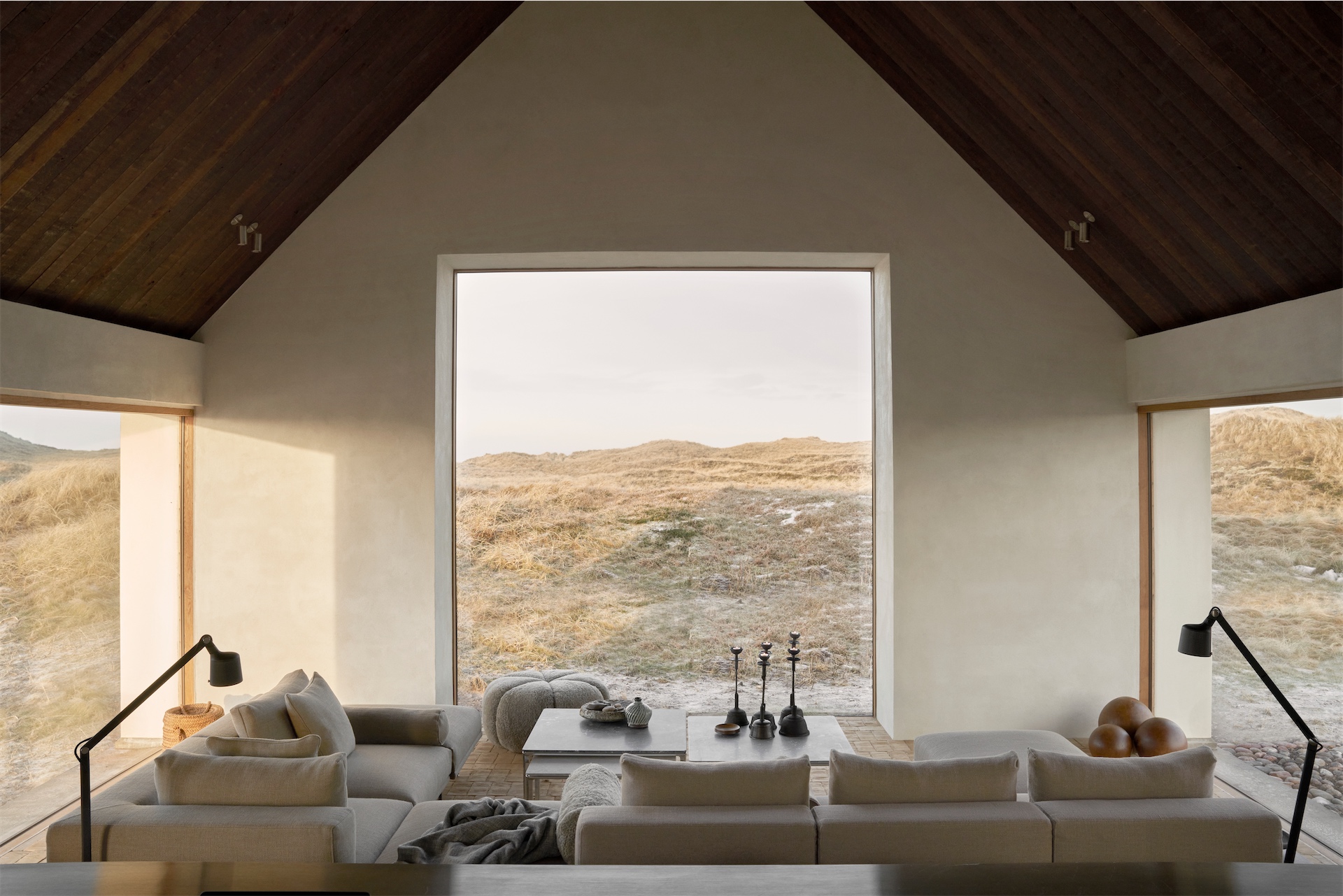
Rosso House & Farm: A Bavarian Farmstay Built on Italian Agriturismo and Japanese Wabi-Sabi
May 24, 2026

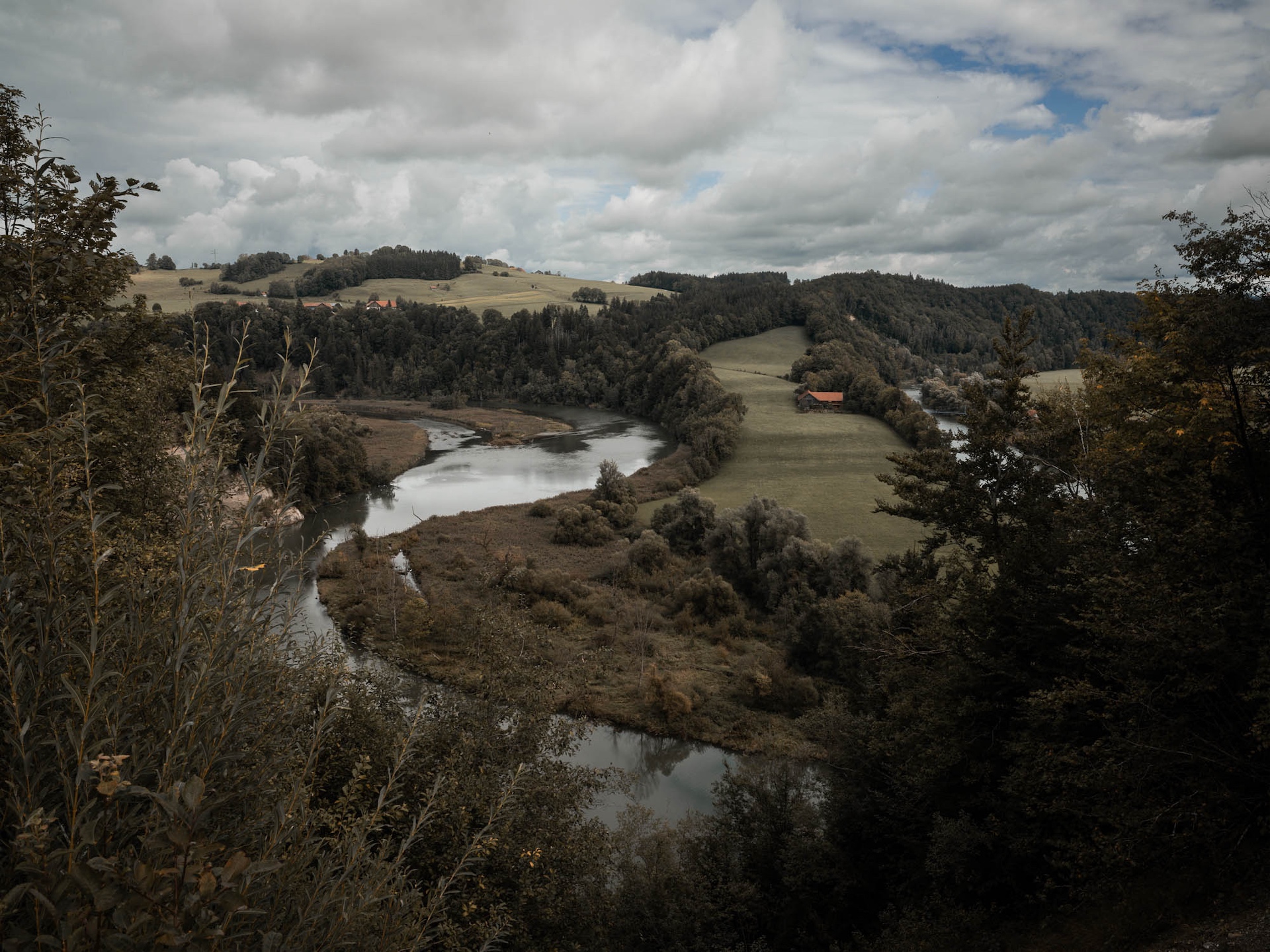

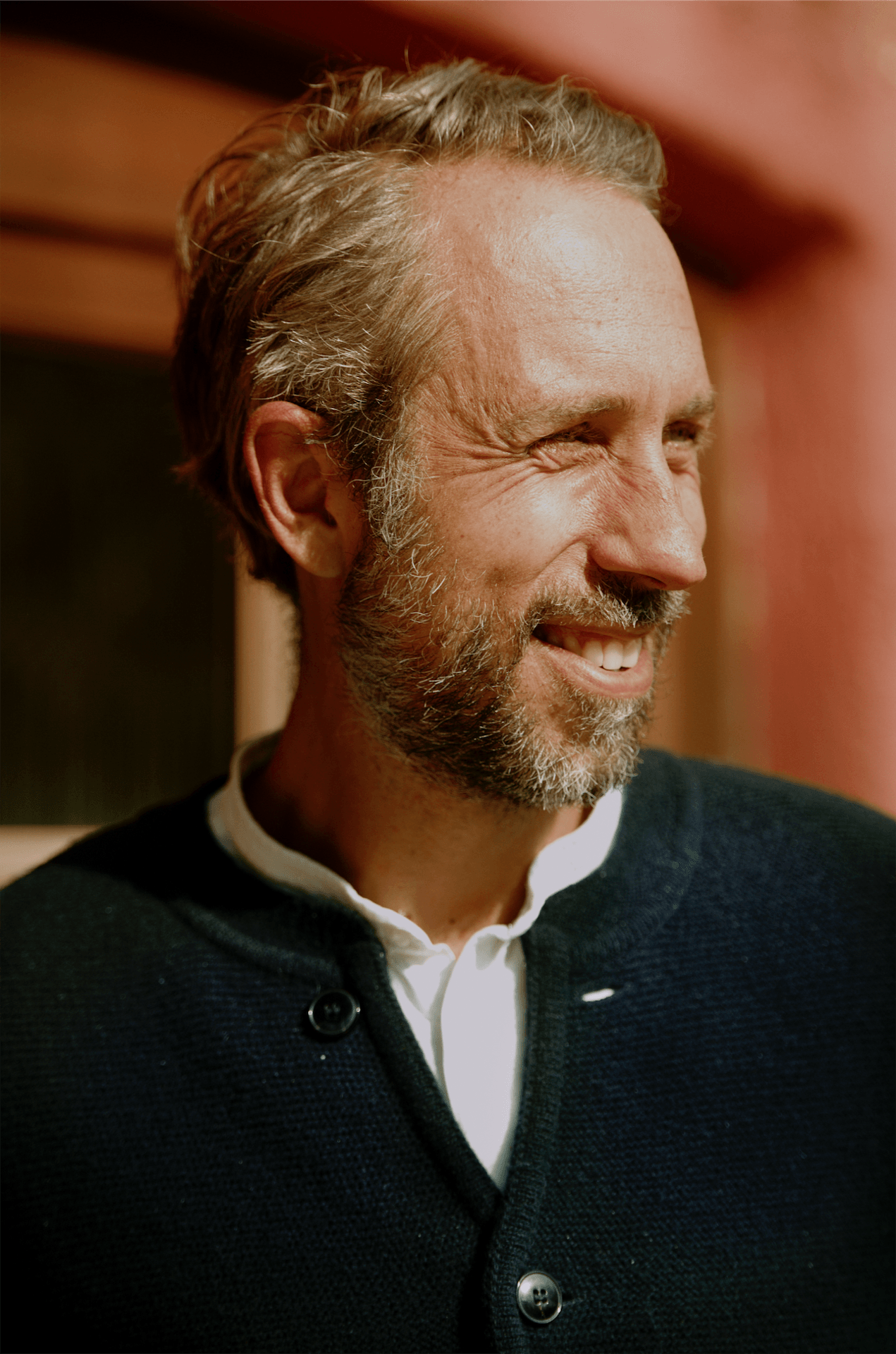
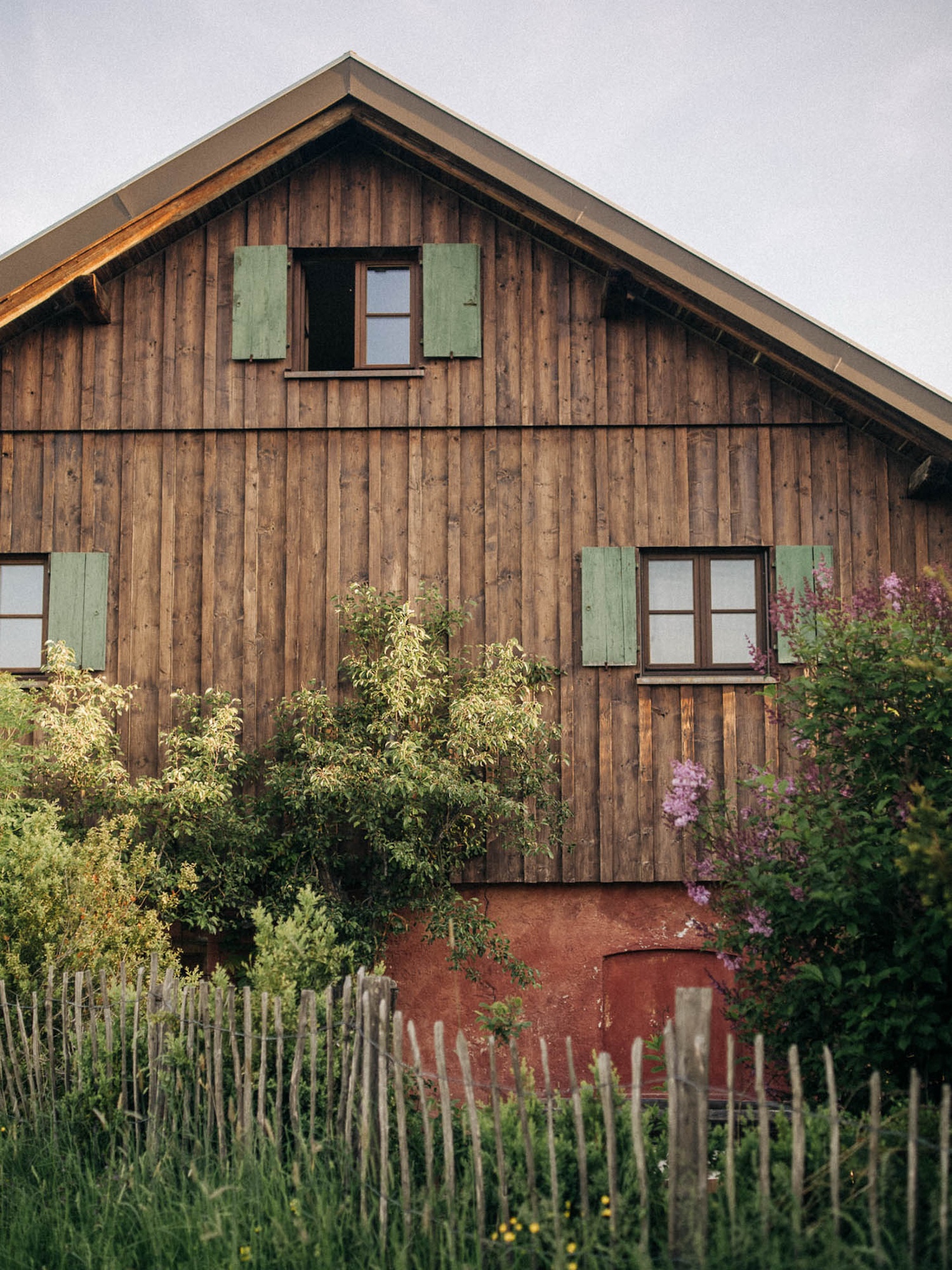
Two hours south of Munich, on a quiet hillside in Bavaria’s Upper Allgäu, a centuries-old red farmhouse has been quietly returned to use as a retreat that runs on the absence of a program. Rosso House & Farm holds three apartments inside a restored historic barn, surrounded by a sauna, a swimming pond, a sun terrace, a wood-fired pizza and bread oven, a yoga and meditation studio, a small farm shop, and a recently built greenhouse that doubles as a winter retreat. At the heart of it sits a long communal table inside a room called the Atelier der langen Weile, which translates roughly to the workshop of long idleness. Rosso is the work of Christian Mueller, who left years of intense city life behind after a long Italian summer in 2017 that introduced him to agriturismo. He runs the place on the Japanese philosophy of wabi-sabi: nothing lasts, nothing is finished, nothing is perfect.
Two hours south of Munich, on a quiet hillside in Bavaria’s Upper Allgäu, a centuries-old red farmhouse has been quietly returned to use as a retreat that runs on the absence of a program. Rosso House & Farm holds three apartments inside a restored historic barn, surrounded by a sauna, a swimming pond, a sun terrace, a wood-fired pizza and bread oven, a yoga and meditation studio, a small farm shop, and a recently built greenhouse that doubles as a winter retreat. At the heart of it sits a long communal table inside a room called the Atelier der langen Weile, which translates roughly to the workshop of long idleness. Rosso is the work of Christian Mueller, who left years of intense city life behind after a long Italian summer in 2017 that introduced him to agriturismo. He runs the place on the Japanese philosophy of wabi-sabi: nothing lasts, nothing is finished, nothing is perfect.
THE ITALIAN VACATION THAT BECAME A BAVARIAN FARMSTAY
Christian Mueller spent years inside the kind of life that does not slow down on its own.
“After many years of intense city life, starting various businesses, and a very restless period,” he says, “I found myself searching for peace, nature, and a more human, authentic life.”
The idea for Rosso did not come from a business plan. It came from a holiday.
“During a long vacation in Italy in the summer of 2017, we got to know and love the local agritourism culture,” Christian says, “and came up with the idea of not just moving to the countryside ourselves, but creating a place for other people, an open house, so to speak, that could also serve as a retreat for others.”
The brief he set for himself was deliberately loose.
“A place to get together, inspire each other, and where everyone can contribute something, but does not have to,” he says. “You can also just come here on vacation and have a good, relaxing time.”
THE WABI-SABI THESIS: NOTHING LASTS, NOTHING IS FINISHED, NOTHING IS PERFECT
If there is a guiding line through every decision at Rosso, it is the Japanese philosophy of wabi-sabi. Christian returns to it the way most hoteliers return to their brand values.
“Everything we do here is based on the Japanese philosophy of wabi-sabi,” he says. “There is no direct translation for this term, but wabi can be understood as the joy of simplicity, of unpretentious beauty, a less-is-more approach that celebrates tranquility and naturalness. Sabi stands for patina, age, transience, for the dignity that objects acquire through time and use.”
He extends that thinking to the way the building itself was treated.
“It is not the flawless surface that counts, but depth, substance, and a quiet aesthetic that can only be created through lived experience,” Christian says. “We strive to treat the heritage of this centuries-old place with the utmost care, celebrating and preserving what is already there and thus respecting the unique character of the farmhouse and its surrounding nature. We live and work here in harmony with ecological principles, moving within natural cycles and celebrating biodiversity and diversity.”
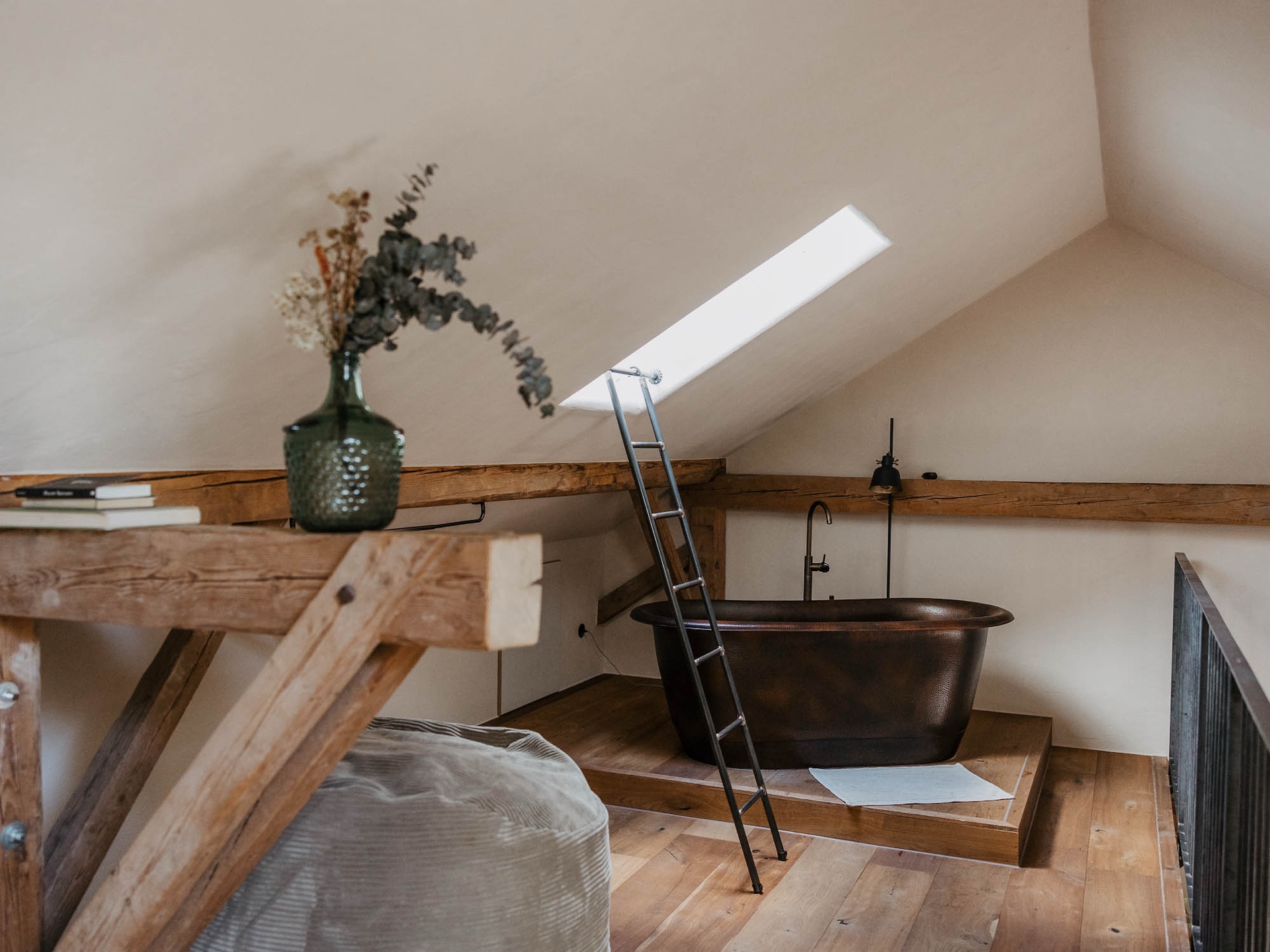
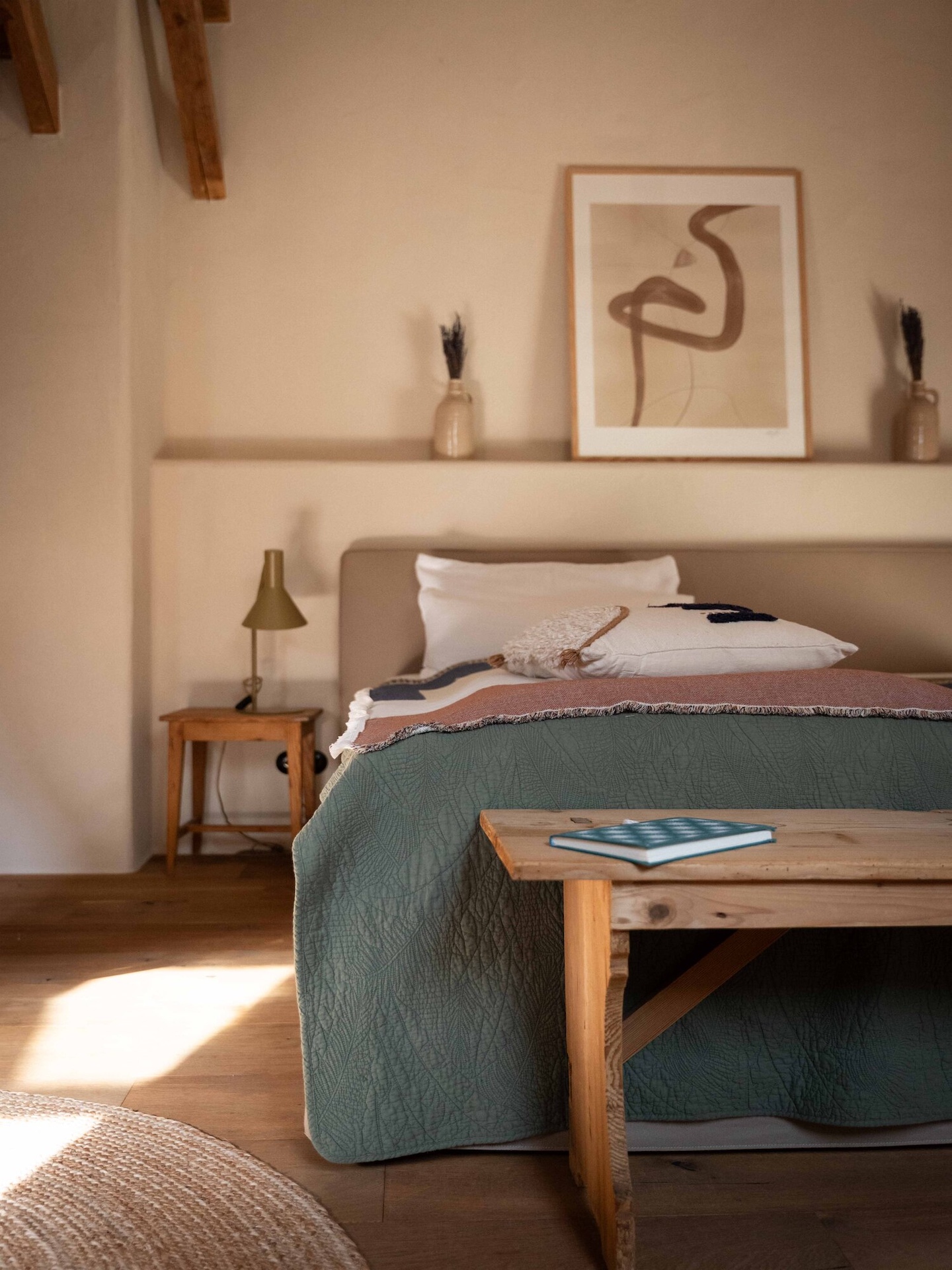
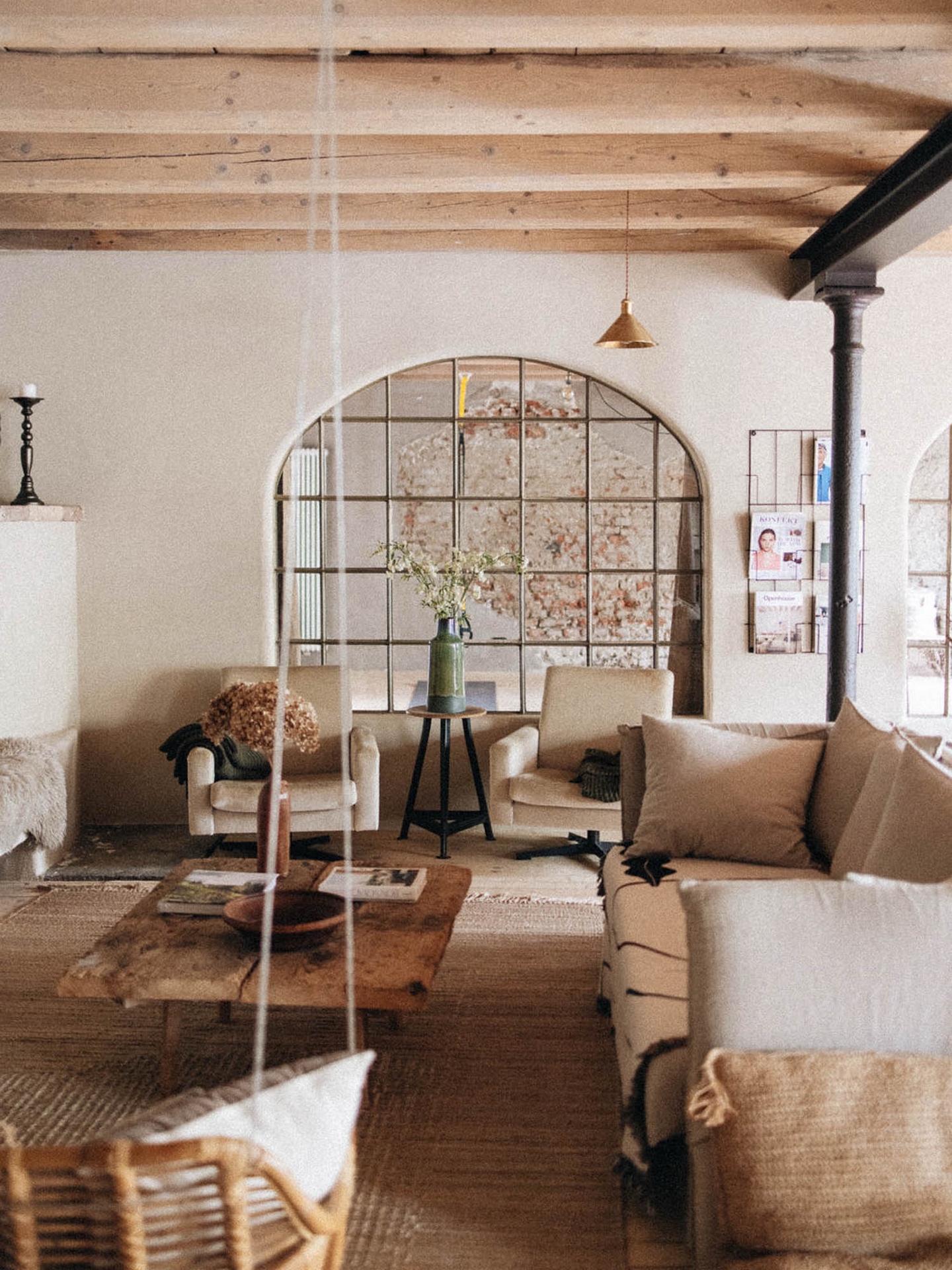
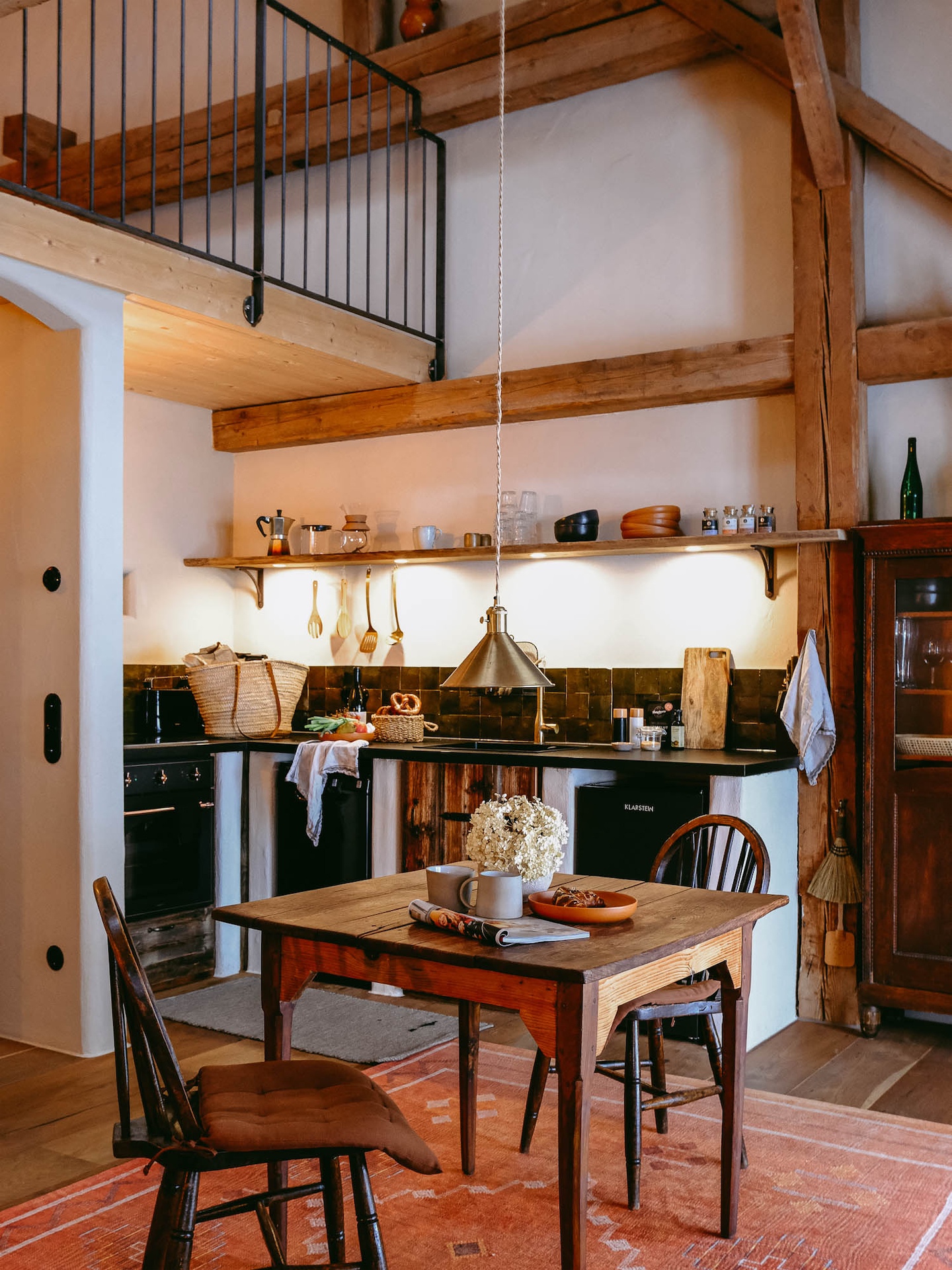
Inside the apartments, the philosophy shows up directly: original beams, lime plaster, copper bathtubs, soft natural materials, ecological bedding. The hand of the work is visible. The patina is the point.
HOF DER MÖGLICHKEITEN: A BLANK CANVAS AND A SET OF BRUSHES
Rosso describes itself as a Hof der Möglichkeiten, the farm of possibilities. Christian uses the phrase the way other hosts use the word program, except in his case the meaning is the opposite.
“Hof der Möglichkeiten is ultimately a metaphor for the fact that there is no set program or template for how to spend your vacation here,” he says. “However, we create many places, offers, and spaces so that everyone can decide for themselves how to make use of the opportunities available.”
He uses a longer image for the same idea.
“It is like a blank canvas,” Christian says, “and we provide the brushes and paints so that time can unfold like a work of art.”
Rosso runs on a three-night minimum stay, deliberately set to keep the rhythm slow enough for guests to actually fall into it.
“Wabi-sabi nurtures all that is authentic by acknowledging three simple realities: nothing lasts, nothing is finished, and nothing is perfect.”
— Christian Mueller, Founder and Host of Rosso House & Farm
THREE APARTMENTS, ONE ATELIER, A SWIMMING POND, AND A GREENHOUSE
The three apartments, La Bella, La Famiglia, and La Grande, are housed in the former barn. Each has a fully equipped kitchen, ecological bedding, generous living space, and long views out over the meadows and Alpine foothills.
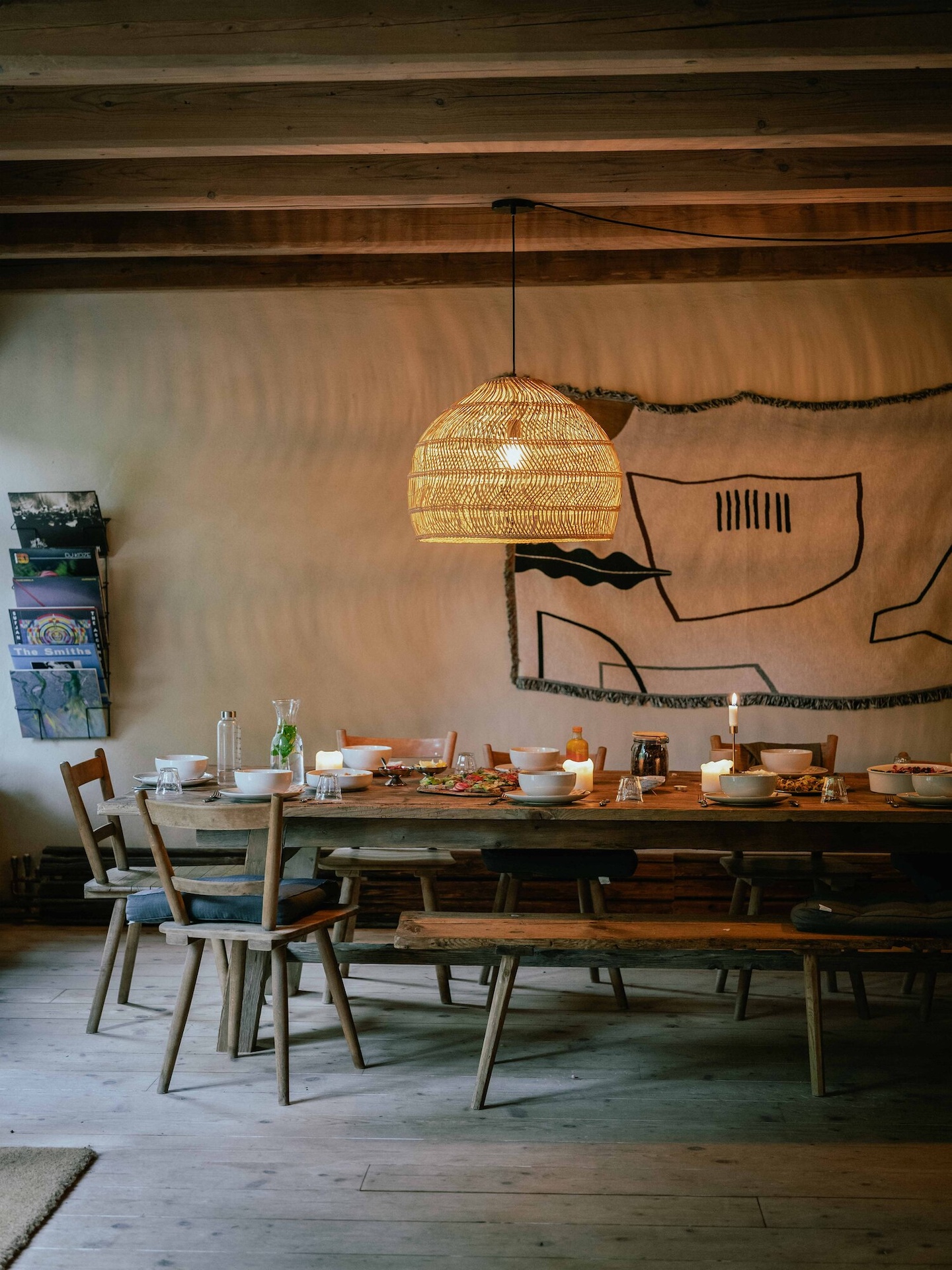
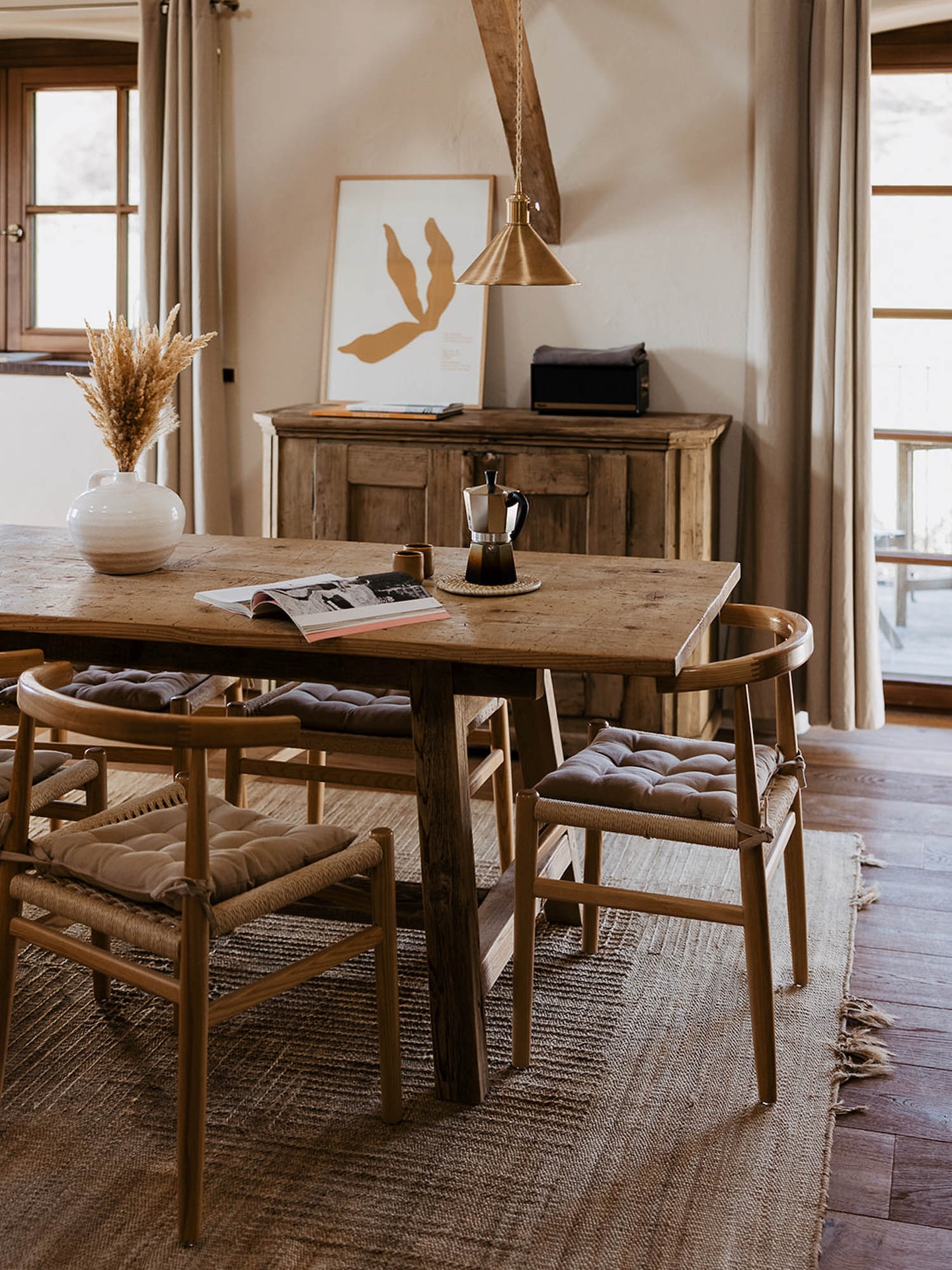
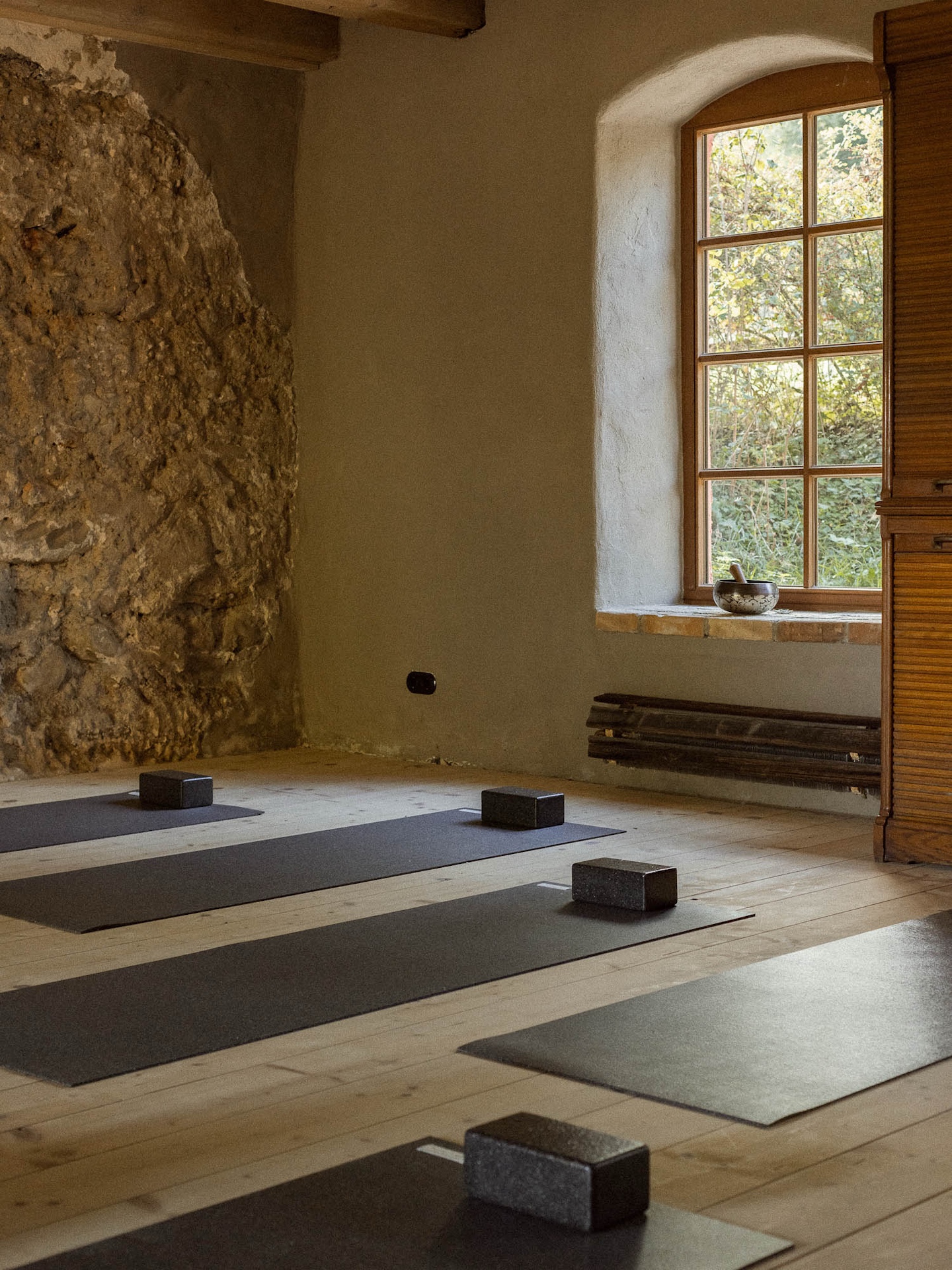
The shared spaces are where the no-program approach actually plays out. The Atelier der langen Weile is the heart of the building: a fireplace, a long communal table, and time to read, talk, work, or simply do nothing. The yoga and meditation studio is open to anyone in the building. So is the sauna, the swimming pond, the sun terrace, the wood-fired pizza and bread oven, and the small farm shop.
The newest addition is the greenhouse. Christian describes it the same way he describes the rest of the place, as something that should keep evolving.
“Rosso is a place that, despite all its tranquility and peacefulness, is allowed to continue to evolve,” he says. “Whether in the smallest details that make your stay here even more enjoyable, or in bigger ideas, such as the greenhouse we have just built, which can also be used as a retreat in winter.”
WHAT THE ALLGÄU CARRIES AROUND ROSSO
The land around the farm does a lot of the work. The Adelegg mountains rise to the south and west. The Iller River cuts through the valley nearby. Alpine lakes sit a short bike ride away. The old town of Kempten, one of Germany’s oldest, is fifteen minutes by car.
Christian’s own recommendations come back to three things.
“The Adelegg forests surrounding us offer peace, solitude, and distraction in wild, untouched nature,” he says. “Cheese is, of course, the great specialty of the Allgäu region, and we have some of the best cheese makers far and wide right around the corner. In addition to our own natural pond, the Eschacher Weiher is an incredibly beautiful spot for swimming. You can also take a great bike ride there from our place.”
Inside the property, what Christian seems proudest of is not the design or the program but the kind of people the place has started to attract.
“We are simply grateful and happy that we attract really great people here who treat us with appreciation and respect, handle things with care, and bring lots of stories and exciting inspiration with them,” he says. “This always helps us to think even further ahead about the place.”
“We attract really great people here who treat us with appreciation and respect, handle things with care, and bring lots of stories and exciting inspiration with them.”
— Christian Mueller, Founder and Host of Rosso House & Farm
(1) Where is Rosso House & Farm located?
Rosso House & Farm sits on a hillside in Altusried, in the Upper Allgäu region of Bavaria, southern Germany. The address is Oberhub 3, 87452 Altusried.
(2) How do I get to Rosso House & Farm?
The nearest airport is Allgäu Airport Memmingen (FMM), about thirty-five minutes by car. Munich Airport (MUC) is roughly one and a half hours away. Guests can also travel by train to Memmingen, Kempten, or Dietmannsried and continue by taxi or shuttle. Pick-up can be arranged on request. Two wallboxes are available on site for electric cars, and e-bikes can be rented at the farm.
(3) How many apartments does Rosso have?
Rosso has three apartments, named La Bella, La Famiglia, and La Grande, all housed inside the restored historic barn. Each has a fully equipped kitchen, ecological bedding, and generous living space with views over the meadows and the Alpine foothills.
(4) What is the minimum stay at Rosso House & Farm?
Rosso operates on a three-night minimum stay. The minimum is intentional, set to allow guests to settle into the slower rhythm of the farm and the surrounding Allgäu landscape.
(5) What does wabi-sabi mean, and how is it applied at Rosso?
Wabi-sabi is a Japanese aesthetic philosophy that finds beauty in simplicity, age, patina, and imperfection. Wabi refers to the joy of unpretentious simplicity; sabi refers to the dignity that objects acquire through time and use. At Rosso, the philosophy guides everything from the preservation of the centuries-old farmhouse and its original beams, lime plaster, and copper bathtubs, to the choice to honor what is already there rather than impose a polished finish.
(6) What does the Atelier der langen Weile mean?
The Atelier der langen Weile, which translates roughly to the workshop of long idleness, is the shared communal room at the heart of Rosso. It holds a fireplace and a long communal table, and is designed as a place for conversation, reading, working, or cultivated boredom, depending on what the moment asks for.
(7) What can guests do at Rosso House & Farm and in the surrounding Allgäu?
On site, Rosso has a sauna, a swimming pond, a sun terrace, a wood-fired pizza and bread oven, a yoga and meditation studio, a small farm shop, and a recently built greenhouse usable as a winter retreat. Off site, the Adelegg mountains offer hiking and forest walks, the alpine lake Eschacher Weiher is a short bike ride away, the Iller River valley offers cycling and canoeing, and the historic old town of Kempten is fifteen minutes by car.
(8) Is Rosso House & Farm family-friendly?
Yes. Rosso is well suited to couples, families, creatives, small groups, and retreat hosts. The three apartments are sized to accommodate different group sizes, and the shared spaces, including the swimming pond and the meadows, work well for families.
(9) When is the best time to visit Rosso?
Each season has its own character. Spring and summer bring lush meadows, long evenings, and swimming in the pond and nearby lakes. Autumn brings golden forests and harvest season. Winter transforms the landscape into a quiet snow-covered retreat, ideal for sauna rituals, slow days indoors, and the greenhouse as a winter retreat space.

Plan Your Stay
Subscribe
Enjoy the read?
Get unique stays, hidden gems, and mindful travel tips delivered straight to your inbox—no spam, just wanderlust.
Other Stories

Property Spotlights
EcoCamp Patagonia: Inside the World’s First Geodesic Dome Eco-Lodge in Torres del Paine

Property Spotlights
Awasi: A South American Lodge Collection Where Wilderness Feels Like Home
Property Spotlights
The Yard Hotel: A Seven-Room Stay in an 1880s Istanbul Consulate, Built on the Philosophy of Removing the Unnecessary