
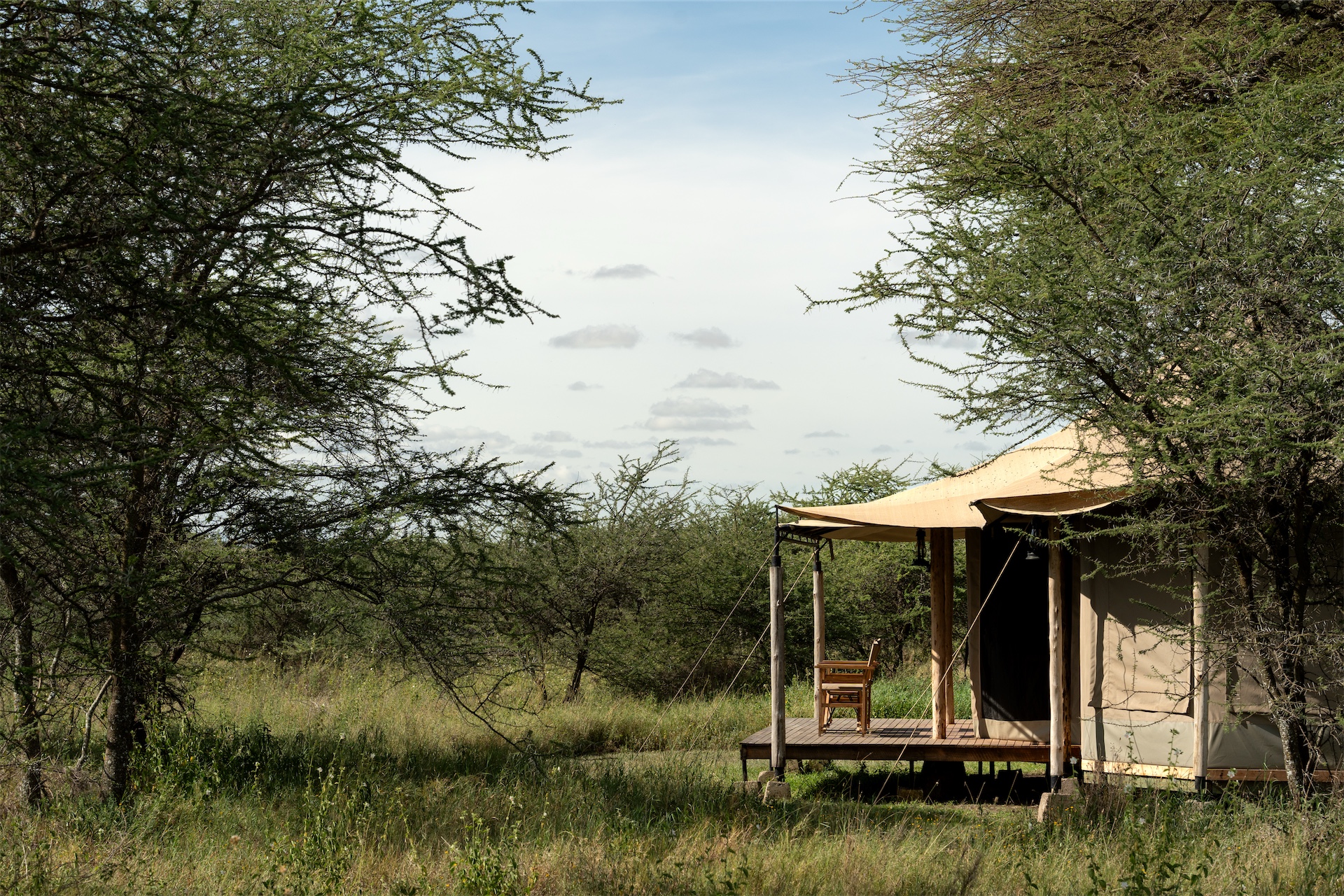

Entara is not built around spectacle. Across its camps in Tanzania, from the forests of Arusha National Park to the open plains of the Serengeti and the cultural landscapes of Lake Eyasi, the experience is shaped by something quieter and more enduring: a belief that safari should bring travelers closer to the natural world, not above it. What Entara offers is not simply a collection of places to stay, but a way of moving through wilderness with humility, attention, and care.
Entara is not built around spectacle. Across its camps in Tanzania, from the forests of Arusha National Park to the open plains of the Serengeti and the cultural landscapes of Lake Eyasi, the experience is shaped by something quieter and more enduring: a belief that safari should bring travelers closer to the natural world, not above it. What Entara offers is not simply a collection of places to stay, but a way of moving through wilderness with humility, attention, and care.
FROM GUIDE TO GUARDIAN
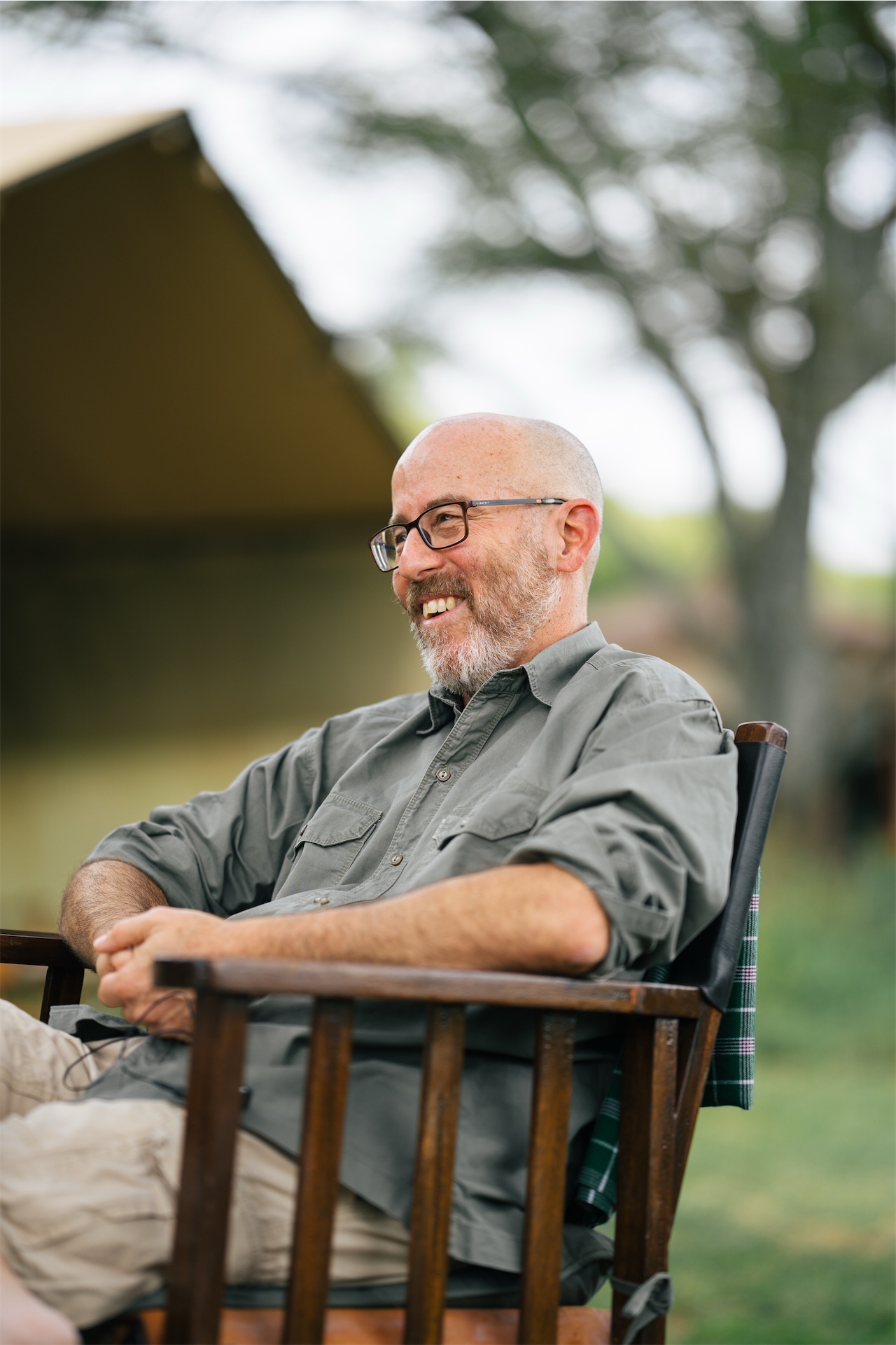
For Hagai Zvulun, CEO of Entara, the work began long before leadership titles or brand language. “I started as a nature guide, not a CEO,” he explains. “Most of my adult life has been spent in wild places, often covered in dust or in the ocean, and very far from good Wi-Fi.”
That background still shapes how he sees hospitality today. Entara is not approached as a polished safari product, but as a living responsibility. Tanzania, he says, became personal through both landscape and people. “Tanzania got under my skin because of its vibrant, living ecosystems, and because of the people I’ve met along the way who taught me what coexistence and humility really mean.”
What grew from that connection is a safari company guided less by scale than by conscience. “My role now is mostly to keep us honest,” Hagai says, “to make sure we don’t become just another safari brand with nice tents and vague talk about impact.”
That honesty is central to Entara’s identity. It understands that tourism can help protect wild places, but only if it remains attentive to its own influence.
LESS STAGED, MORE HUMAN
Entara began with a simple belief: safaris could feel more real. Less choreographed. Less insulated. More connected to the land and the people who know it most intimately.
“Entara began with a small group of people who believed safaris could be more real,” Hagai shares. “Less staged, more human.”
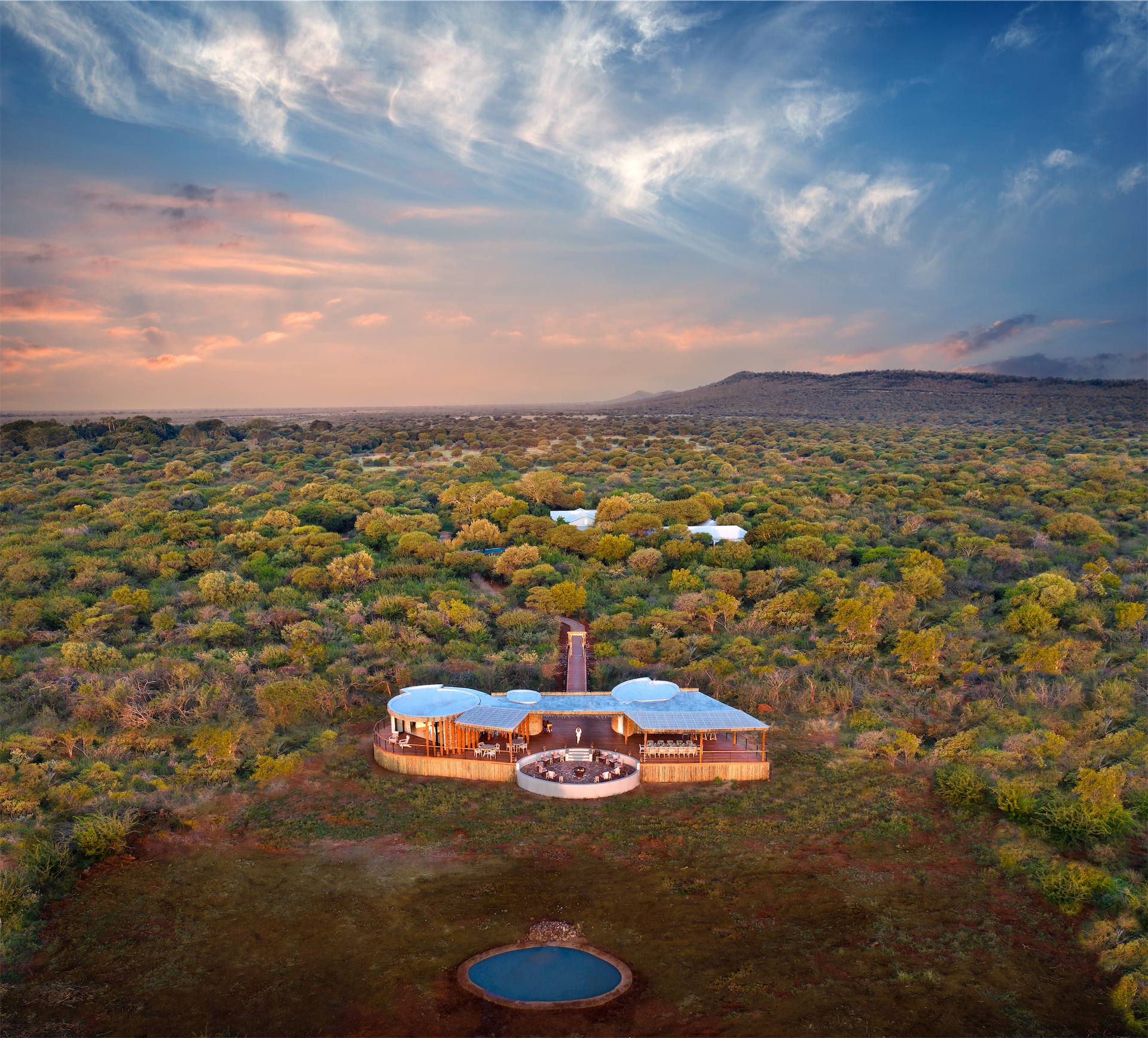
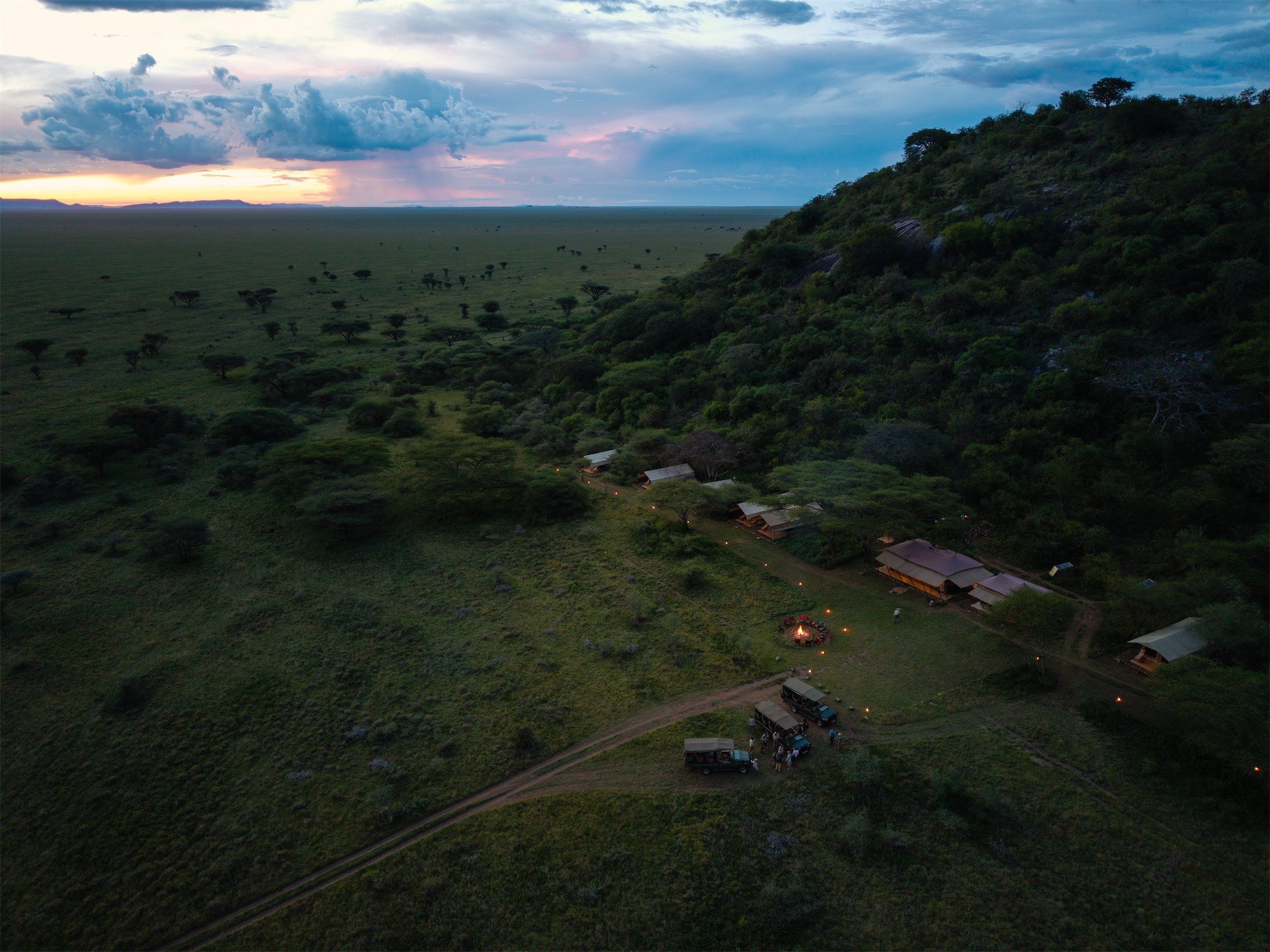
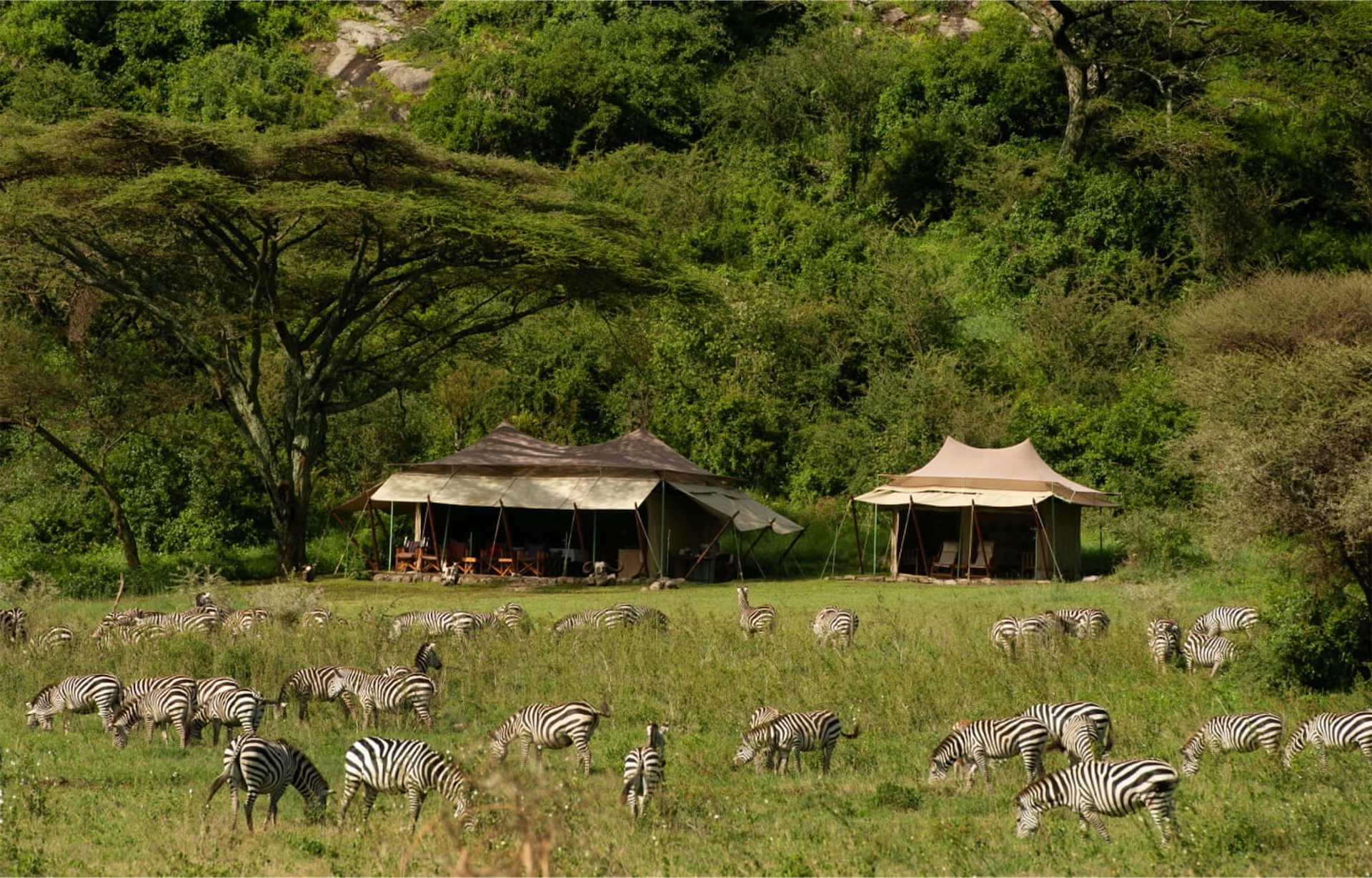
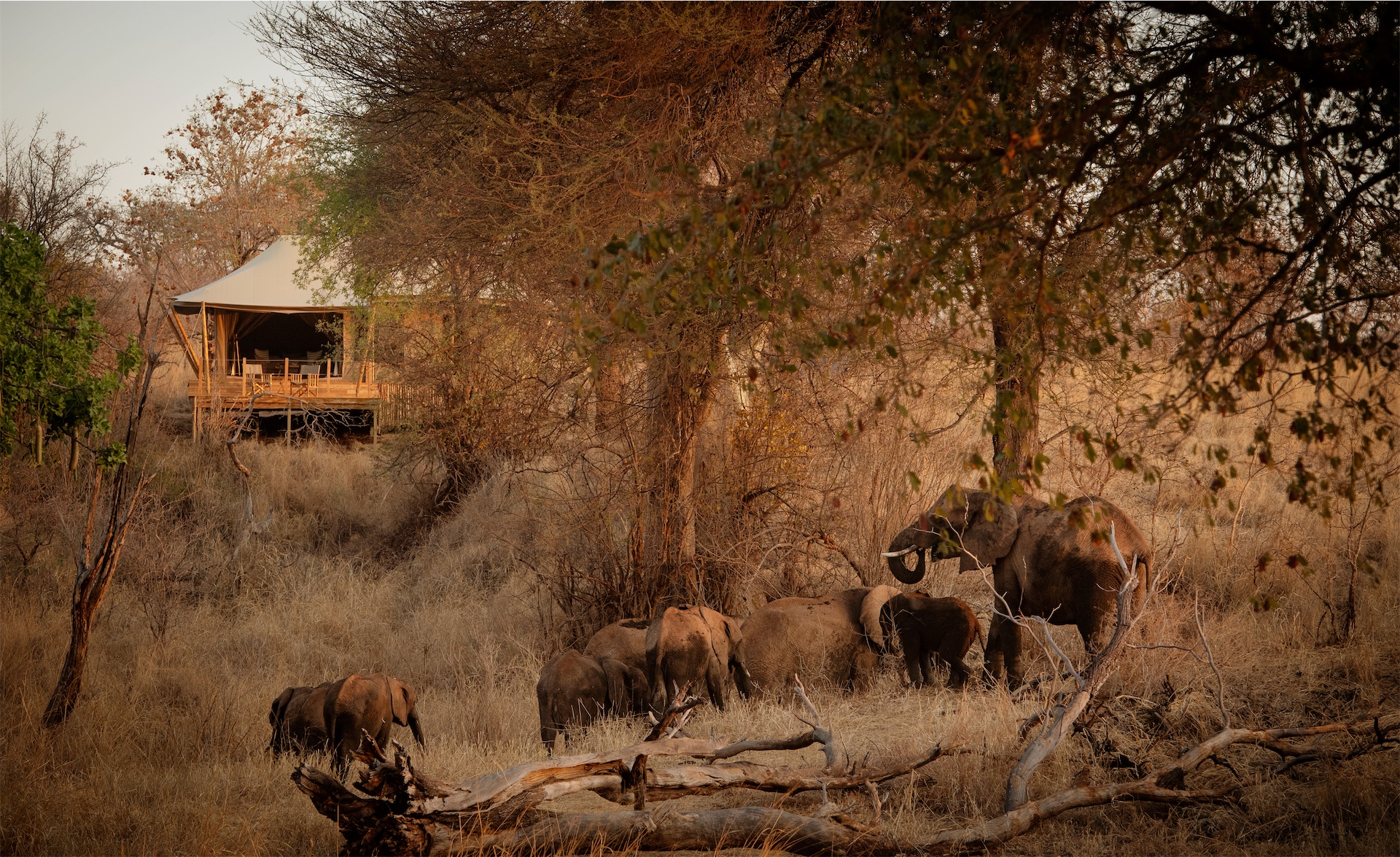
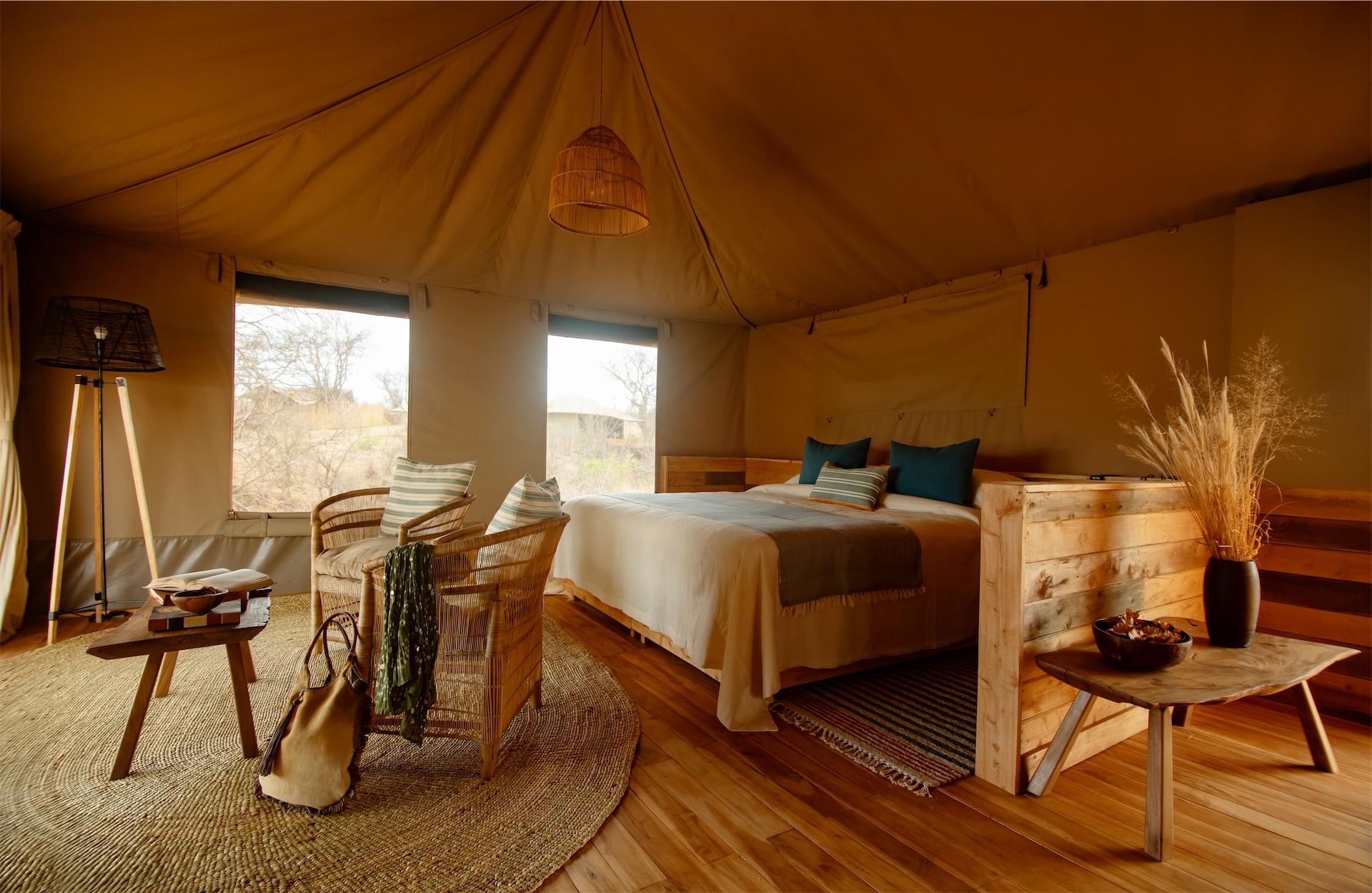
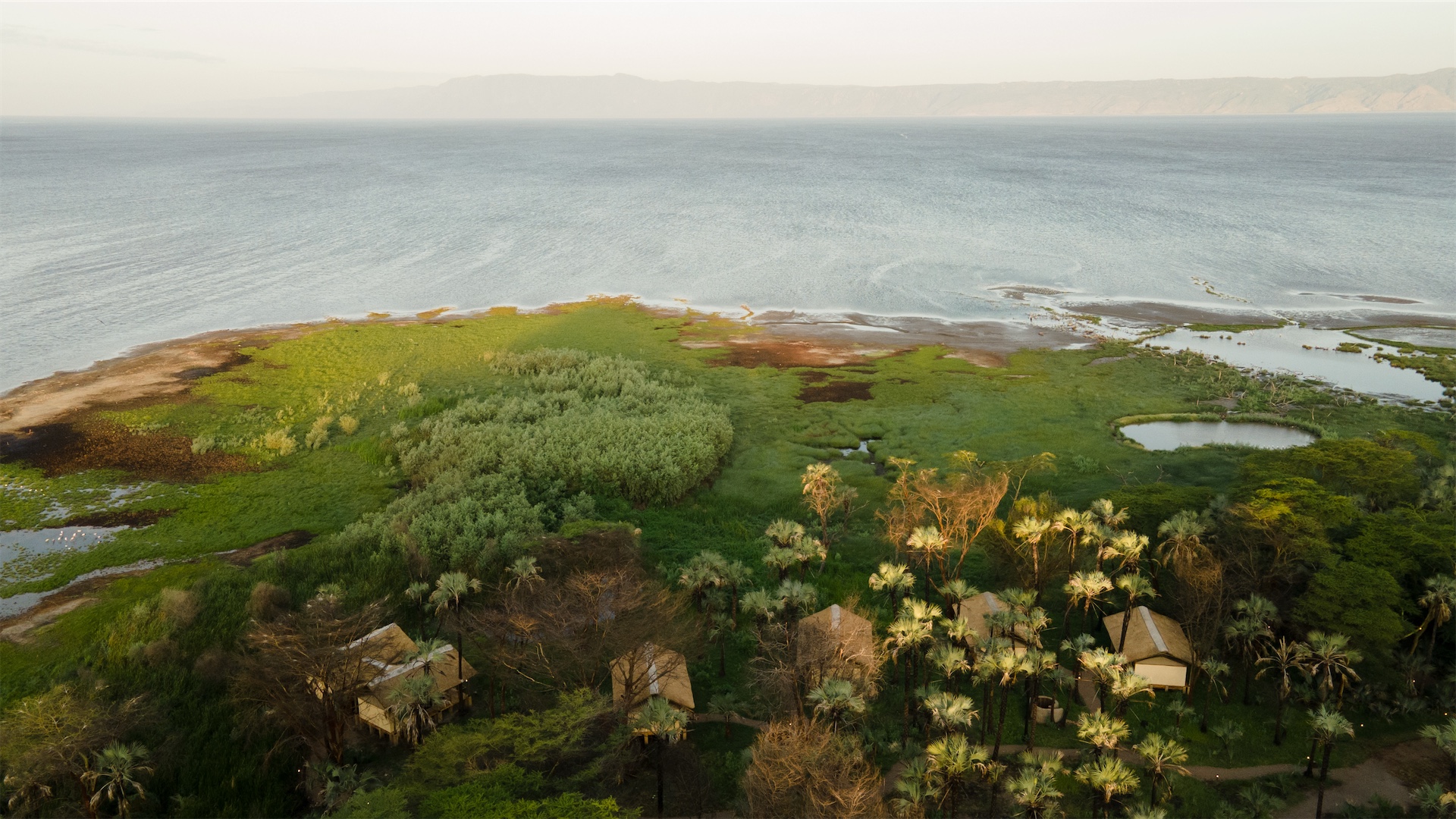
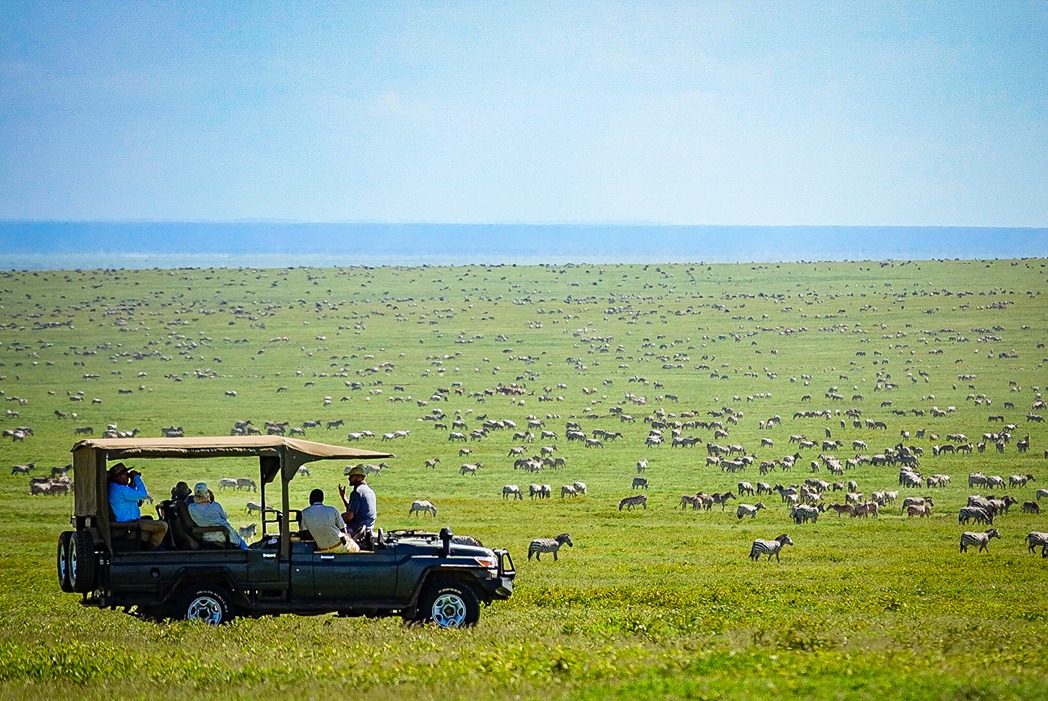
That philosophy is visible across the collection. At Olkeri Camp, guests are encouraged to walk, sleep closer to the land, and listen to the night. At Koroi Forest Camp, the safari shifts away from the classic savannah image into something more shaded and textural, shaped by forest, glades, and the slopes of Mount Meru. At Kisima Ngeda, the experience opens toward culture, story, and respectful connection with the Hadza and Datoga communities. In the Serengeti, camps such as Olmara and Esirai place guests close to wildlife movement without making the wilderness feel staged for them.
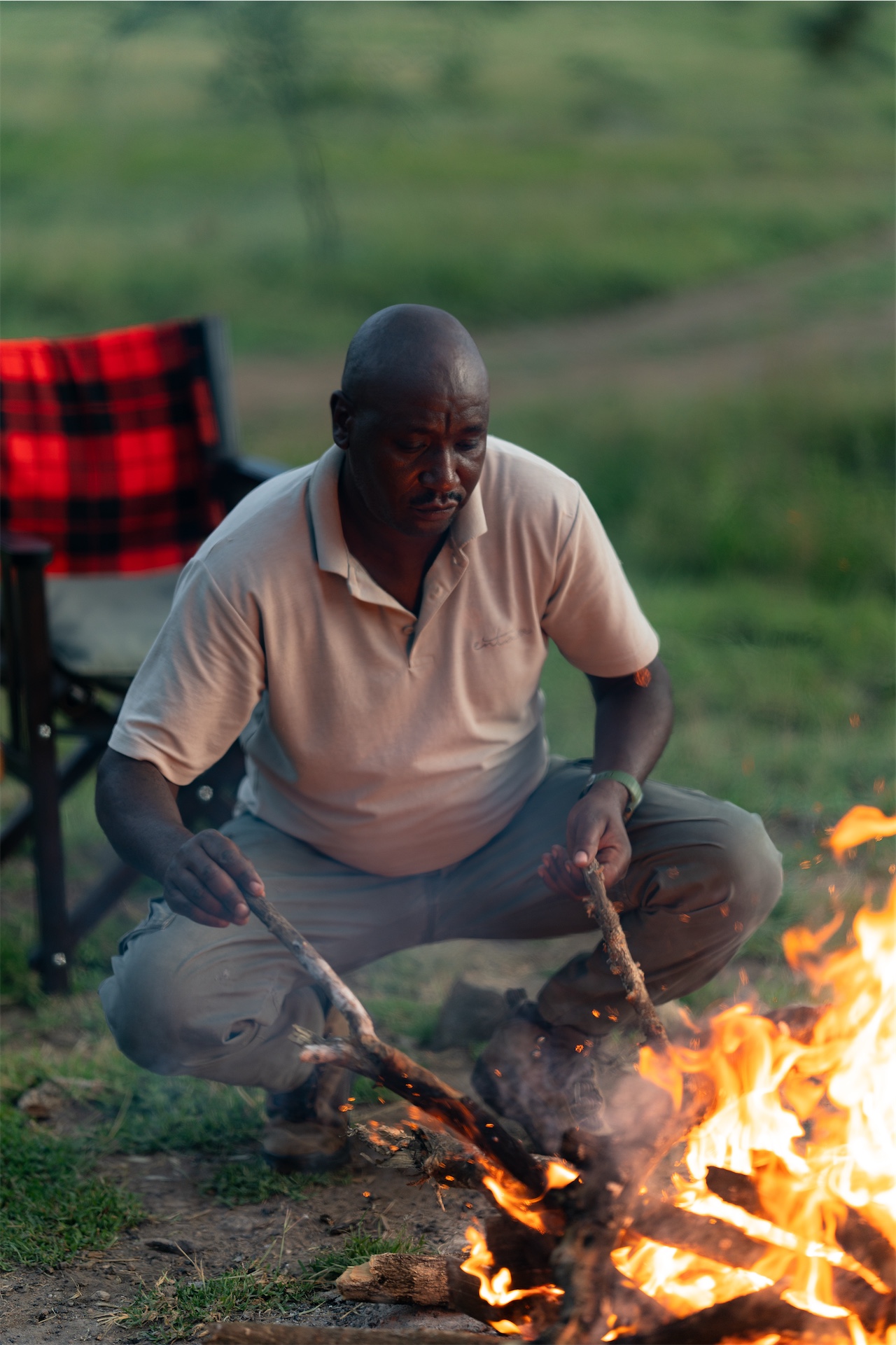
“We wanted to nudge people a bit out of their comfort zone,” Hagai explains. “Walk more, sleep closer to the land, listen to the night. Safely, comfortably, but genuinely.”
These are the moments Entara values most. Not dramatic scenes arranged for a camera, but subtle shifts in perception.
“Those moments tend to reshape how people feel about wilderness. It stops being scenery and starts being a relationship.”
SMALL, REAL, AND LOCAL
Entara’s connection to Tanzania is not expressed only through landscape. It is carried through people.
“Most of our team grew up in or near the parks,” Hagai says. “They carry stories and knowledge that don’t come from textbooks.”
This matters. In many safari experiences, service can become overly polished, creating distance between guest and place. Entara takes another route. It keeps its camps small, its teams close to the land, and its hospitality grounded in direct human exchange.
“We hire locally, buy food and materials nearby, and let those local rhythms shape how we operate.”
That approach creates an atmosphere that feels instinctive rather than performed. Guests are invited into conversation, not presentation. Guides, cooks, carpenters, and mechanics all become part of the wider story, each contributing to the texture of the experience.
“We encourage our teams to interact with guests more directly and honestly,” Hagai explains. “Less choreographed, less professional and polished, but a lot more individual and genuine.”
The result is hospitality that feels warm because it is human, not because it has been scripted.
“Safaris could be more real: less staged, more human.”
— Hagai Zvulun, CEO of Entara.

WILDERNESS AS SOMETHING WE BELONG TO
At the heart of Entara is a shift in perspective. Wilderness is not treated as scenery. It is not there simply to be consumed, photographed, or converted into experience. It has value beyond what it offers travelers.
“I hope guests leave with a quieter mind and a deeper sense of belonging to the natural world,” Hagai says. “That they see wilderness not as something that exists for us, but as something we are part of.”
This idea runs through every Entara stay. A walking safari becomes more than movement through land. It becomes a way of paying attention. A night under canvas becomes more than romance. It becomes a lesson in listening. A cultural encounter becomes meaningful only when approached with humility.
“If we can get someone to pause and think, that wilderness or wildlife does not always need to be useful or profitable to matter, then we have done something worthwhile.”
In that sense, Entara’s work is not just about safari. It is about reorienting the relationship between traveler and place.
A COLLECTION OF PEOPLE WHO CARE
For Hagai, Entara is still a work in progress. That may be part of its strength.
“Entara is really a collection of people who care,” he says. “Guides, cooks, carpenters, mechanics, all trying to prove that travel can celebrate nature without damaging it.”
There is no attempt to present the project as perfect. Instead, there is a willingness to keep learning, adjusting, and remaining accountable to the ideals that shaped it.
“We are still learning,” Hagai reflects. “Still tripping over our own ideals sometimes. But that is the work.”
That honesty gives Entara its depth. It does not promise untouched wilderness while pretending tourism leaves no trace. It asks a more difficult question: how can travel become a force that protects wonder without reducing it?
Across its camps, the answer is found in smallness, humility, local knowledge, and the refusal to turn nature into a stage.
“At the heart of it, we believe wild places have a right to exist, even when they offer us nothing but wonder,” Hagai says. “And that wonder, when shared properly, changes people.”
“Wilderness does not exist for us. We are part of it.”
— Hagai Zvulun, CEO of Entara.


Plan Your Stay
Subscribe
Enjoy the read?
Get unique stays, hidden gems, and mindful travel tips delivered straight to your inbox—no spam, just wanderlust.
Other Stories
Property Spotlights
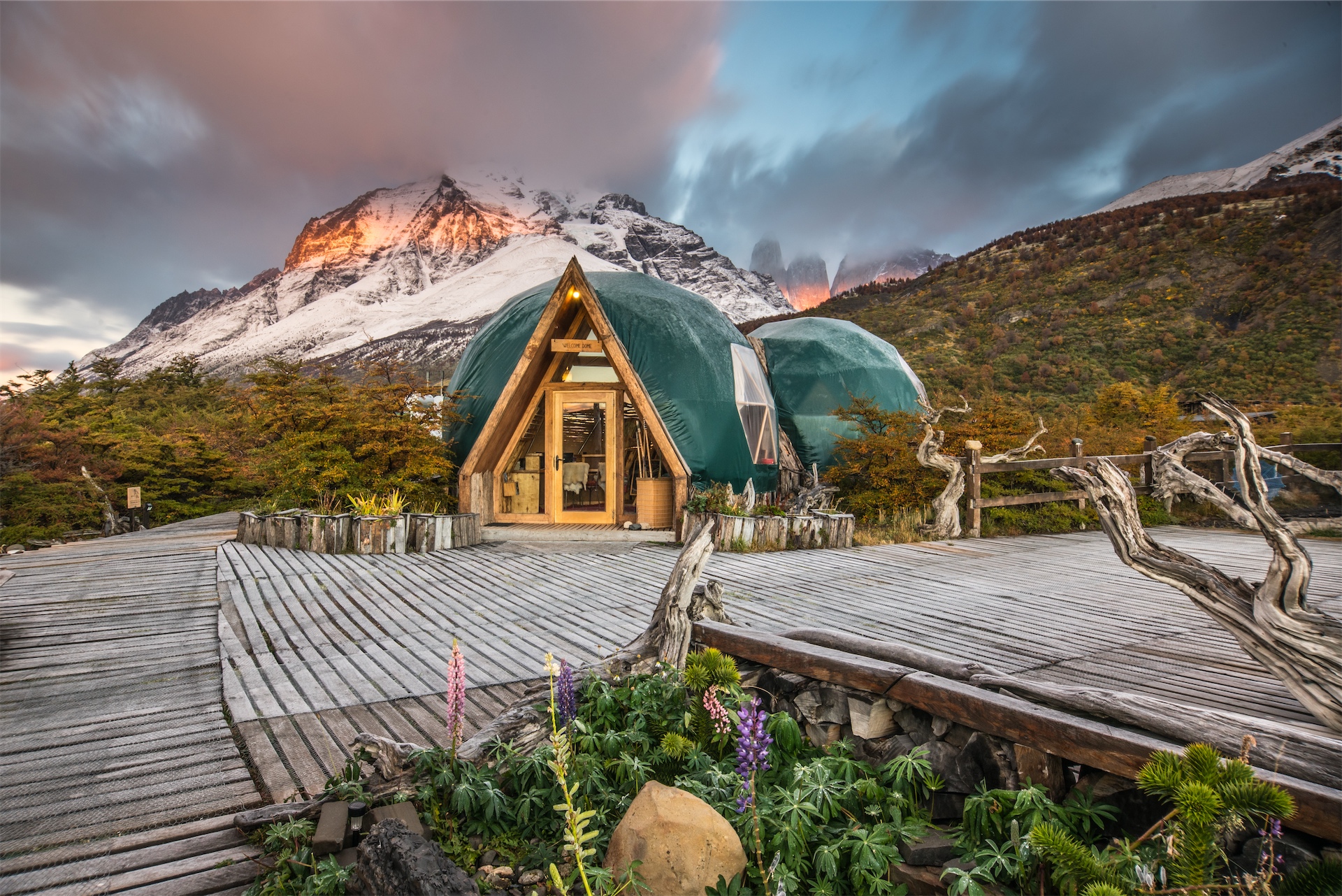
EcoCamp Patagonia: Inside the World’s First Geodesic Dome Eco-Lodge in Torres del Paine

Property Spotlights
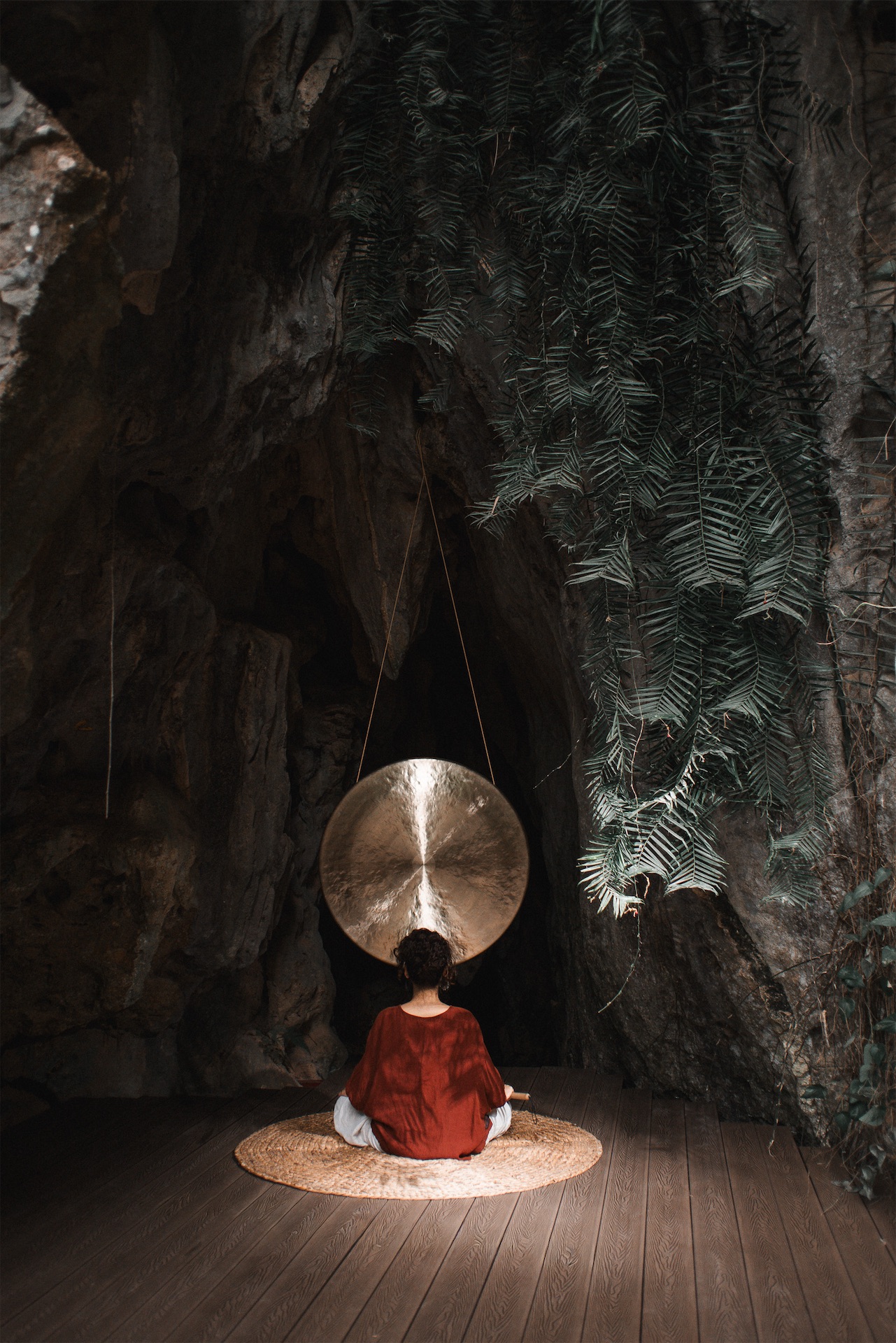
Auko Eco-Wellness Lodges: Thirty Tented Lodges on Vietnam’s Son River, Beside the Largest Cave on Earth
Property Spotlights
Morukuru Family: A Family-Owned South African Safari Collection Built on Freedom