
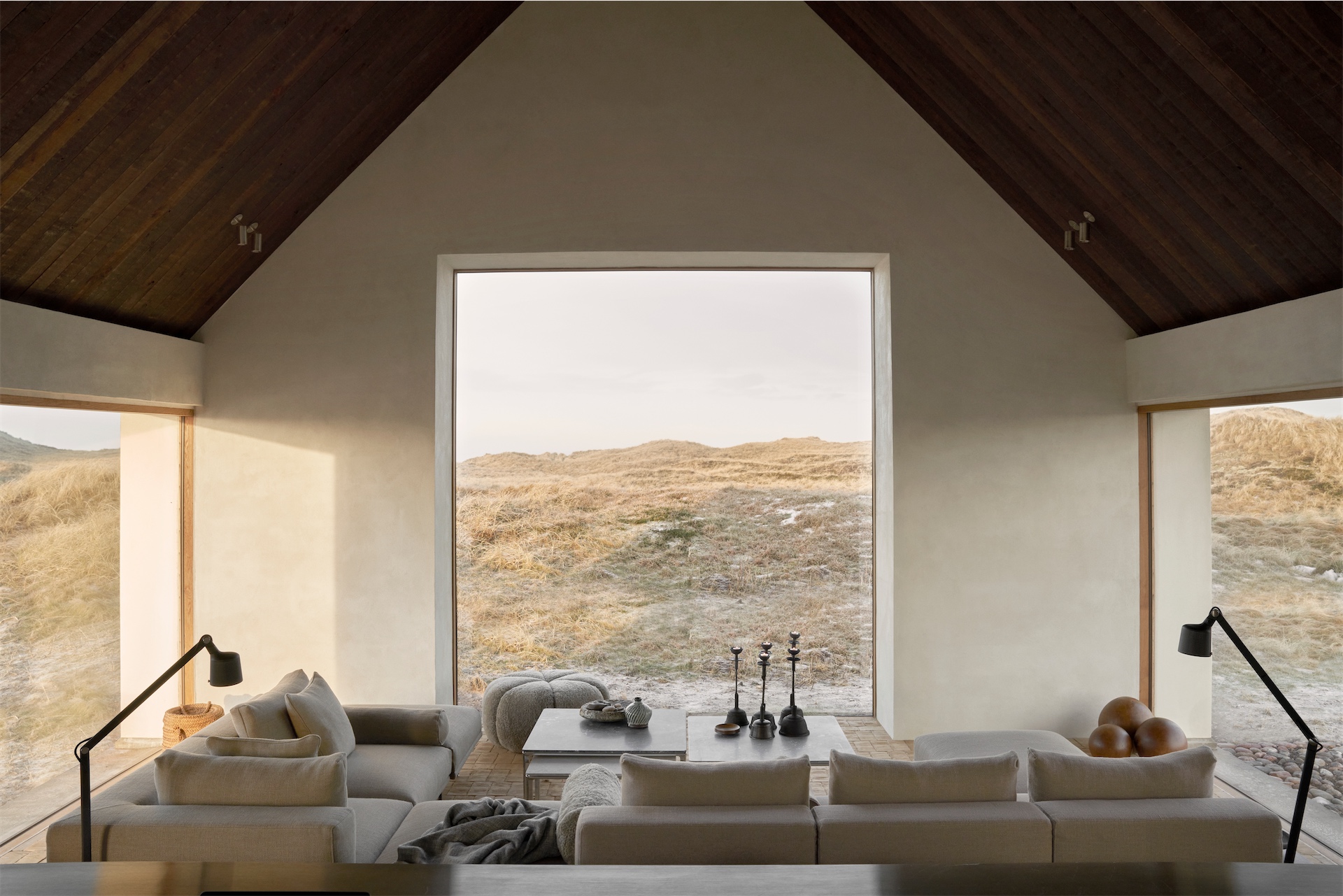
Shinta Mani Hotels: Inside Bill Bensley’s Place-Led Hotel Collection, from the Cardamom Jungle to the Himalayas
May 17, 2026
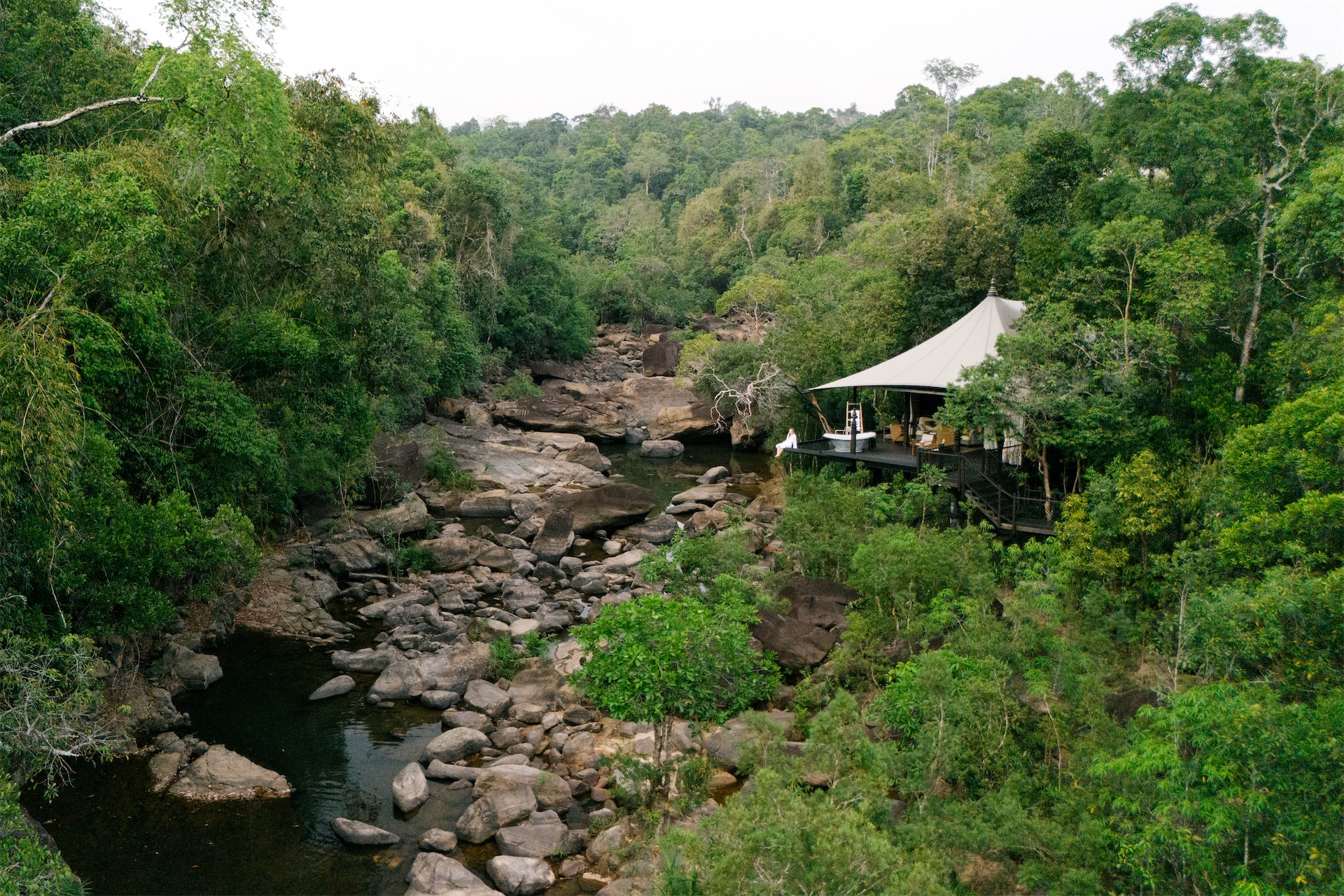


Two of the most distinctive hotels in Asia were designed by the same person. Shinta Mani Wild sits inside a private 350-hectare reserve in Cambodia’s Cardamom rainforest, reached by a 400-meter zipline above a waterfall. Shinta Mani Mustang climbs into a mountainside at 2,700 meters in Nepal’s once-forbidden Himalayan kingdom of the same name. The two could not look more different, and that is the point. Both belong to Shinta Mani Hotels, a small Asian collection that began with a boutique property in Siem Reap and now extends into the jungle and the Himalayas. The collection is co-founded, co-owned, and designed by the Bangkok and Bali based architect and designer Bill Bensley, who built his career on a single rule that he repeats often: never start with a style, start with listening.
Two of the most distinctive hotels in Asia were designed by the same person. Shinta Mani Wild sits inside a private 350-hectare reserve in Cambodia’s Cardamom rainforest, reached by a 400-meter zipline above a waterfall. Shinta Mani Mustang climbs into a mountainside at 2,700 meters in Nepal’s once-forbidden Himalayan kingdom of the same name. The two could not look more different, and that is the point. Both belong to Shinta Mani Hotels, a small Asian collection that began with a boutique property in Siem Reap and now extends into the jungle and the Himalayas. The collection is co-founded, co-owned, and designed by the Bangkok and Bali based architect and designer Bill Bensley, who built his career on a single rule that he repeats often: never start with a style, start with listening.
THE BENSLEY METHOD: STARTING WITH LISTENING
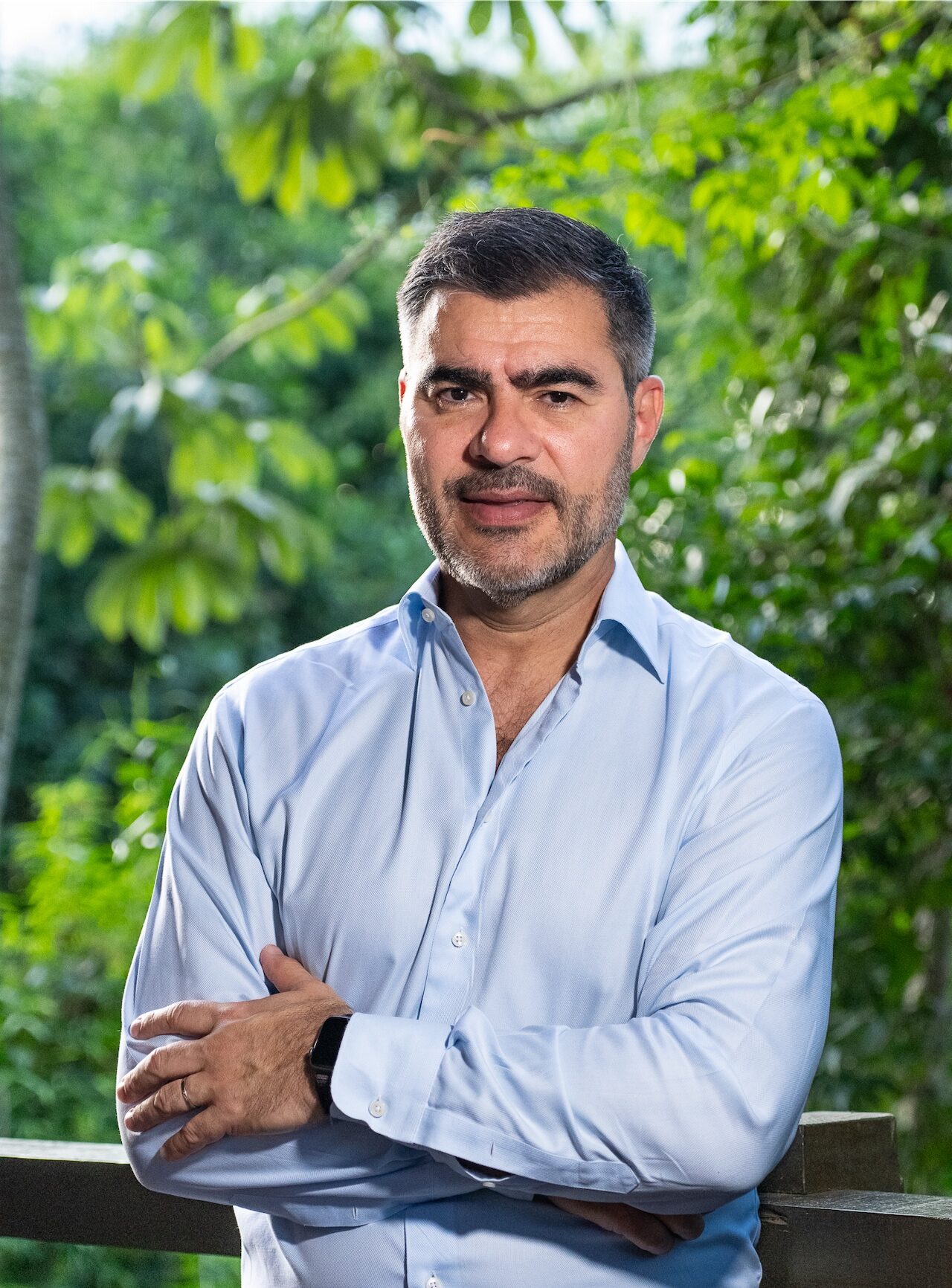
“I am an architect, interior and landscape designer,” Bill Bensley says, “and I have always believed that hospitality should begin with a sense of place rather than a formula.”
That conviction is the foundation of every Shinta Mani property. It is also the line that organizes how Bensley speaks about his work.
“I never start with a style. I start with listening,” he says. “Each place is different, but the thread is always the same: I design from the spirit of place, not from a template. The place always leads, and the design simply follows.”
He talks about luxury the same way.
“I have never believed that luxury is about repetition or formula,” Bensley says. “For me, it is about storytelling, and every property has to tell the story of where it is.”
FROM AN 18-ROOM GUESTHOUSE IN SIEM REAP
Shinta Mani began in 2003 as a small 18-room guesthouse in Siem Reap, founded by the Cambodian entrepreneur Sokoun Chanpreda. That original property has expanded considerably since, into the larger Khmer-rooted hotel that now anchors the collection. Bensley came in later to redesign it.
“I came into the picture later,” he says, “redesigning it to become a boutique hotel rooted in the idea of ‘open doors, open hearts’ and giving back through the Shinta Mani Foundation.”
From the start, the project was designed to do two things at once.
“The idea was to create something that felt genuinely connected to Cambodia, its people, unique culture, and energy, rather than importing a generic luxury model,” Bensley says. “From the beginning, it was about blending design with purpose, and making sure the guest experience also gave back to the community.”
From that 18-room beginning, the philosophy moved outward and, in some ways, inward. The next two projects under the Shinta Mani name would each be smaller and more remote than the property in Siem Reap. First into the Cambodian jungle. Then into the Himalayas.
SHINTA MANI WILD: A JUNGLE CAMP DESIGNED TO DISAPPEAR
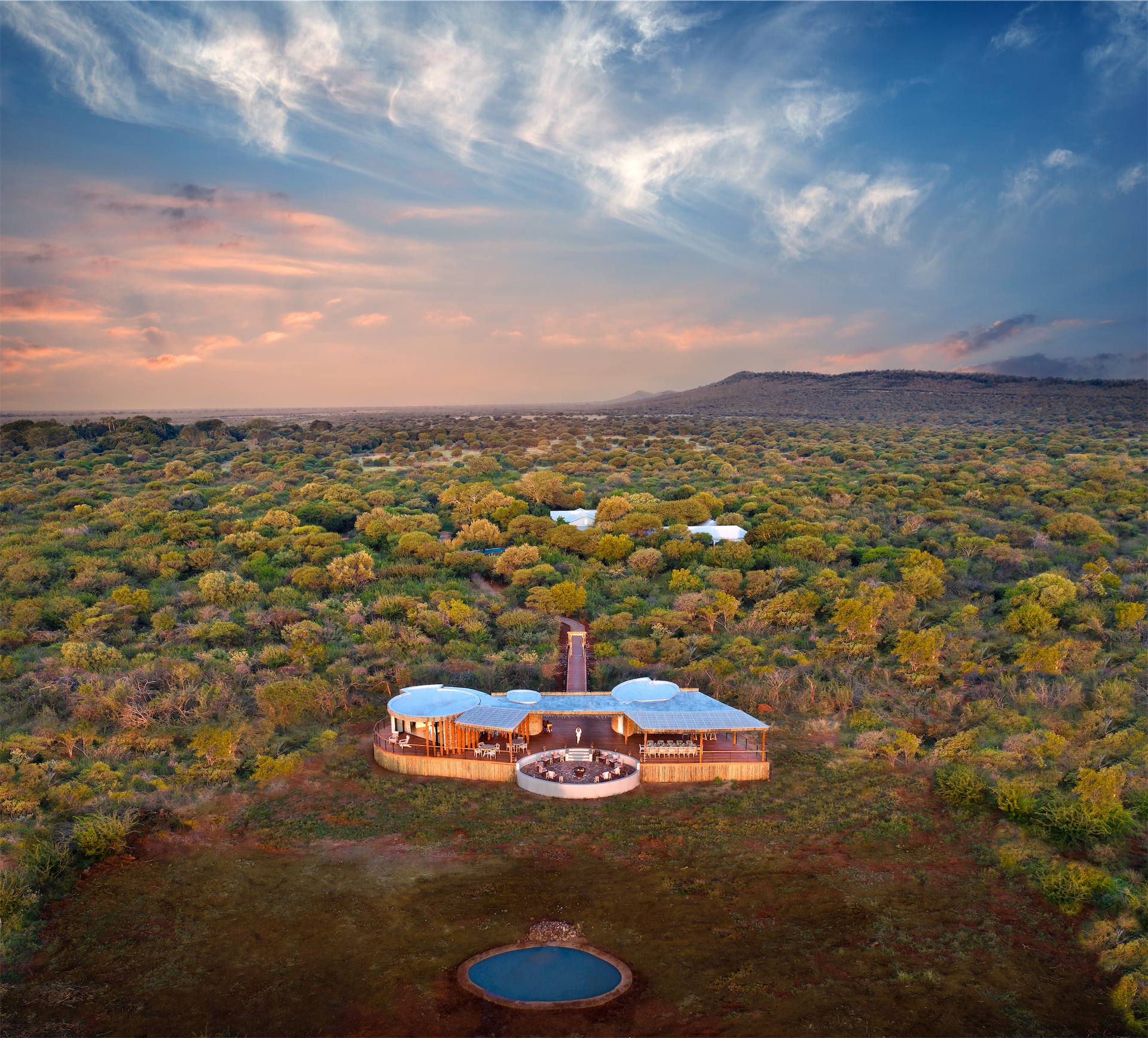
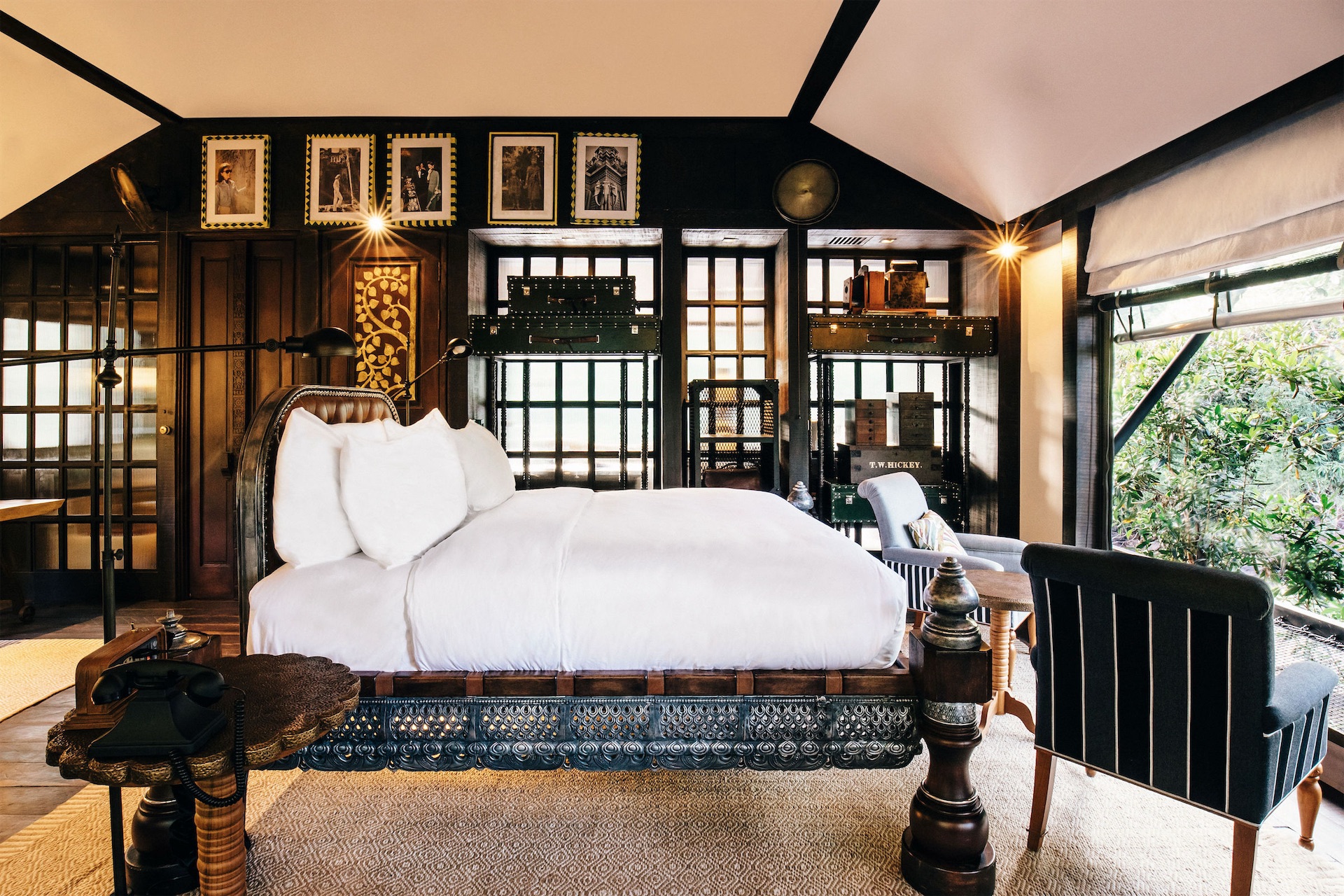
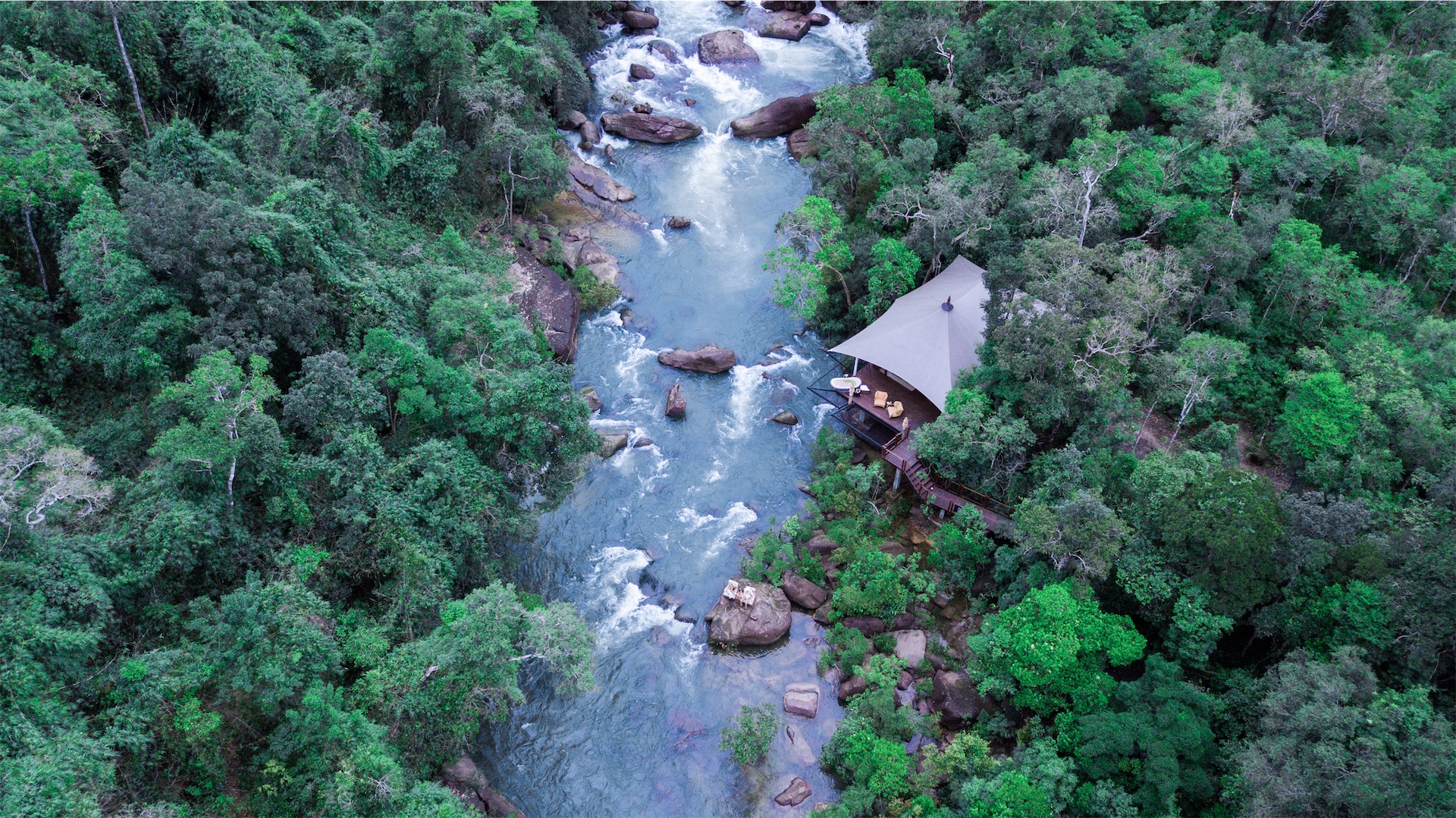
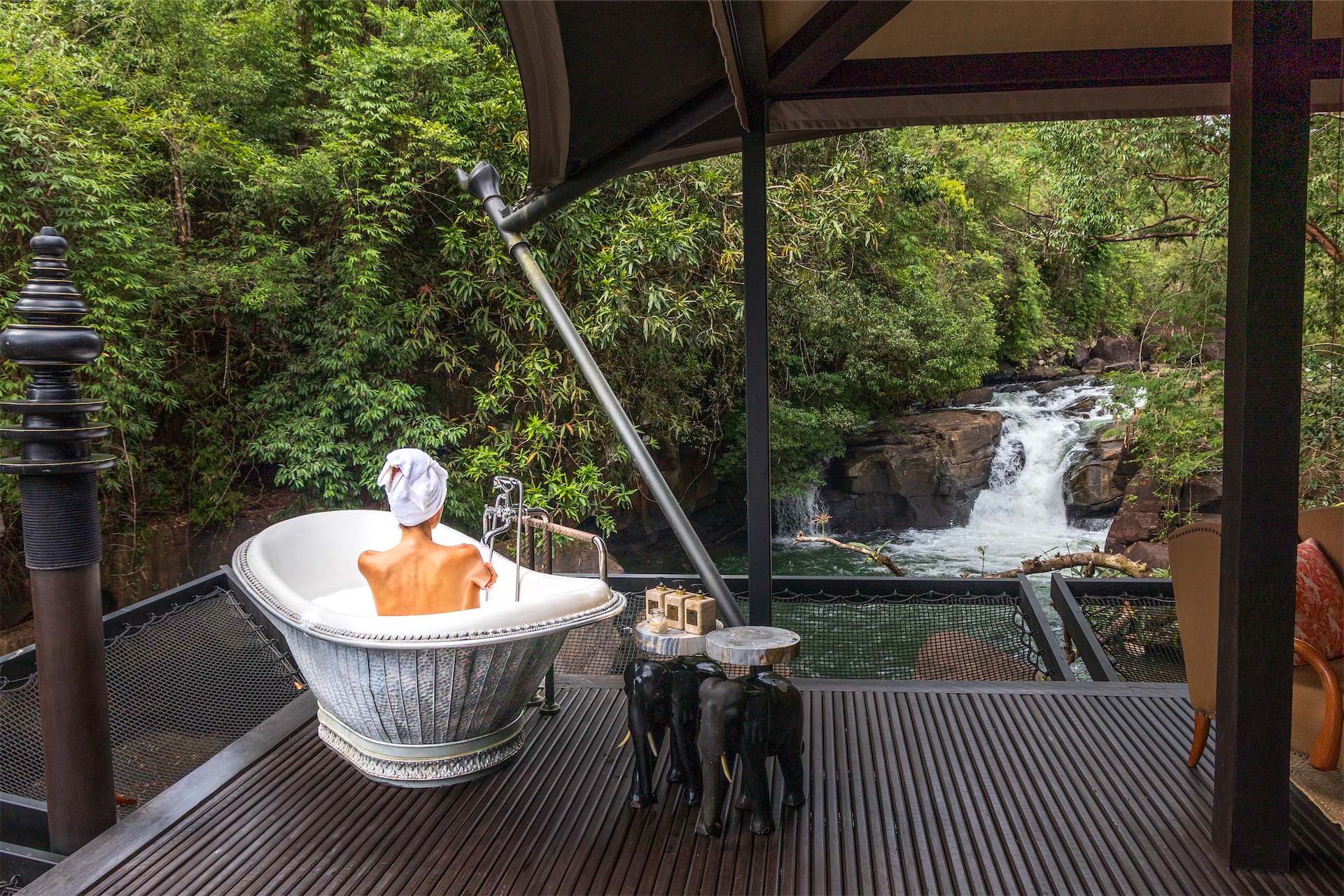
Shinta Mani Wild was conceived as a conservation tool first and a luxury hotel second. Fifteen canvas-roofed tents sit along a river inside a private 350-hectare concession in the Cardamom Mountains, one of the last unfragmented stretches of rainforest in Southeast Asia. Room revenues fund an on-site Wildlife Alliance ranger station whose armed patrollers dismantle snares, remove illegal logging equipment, and protect the forest from incursion.
Bensley designed the camp to disappear into the jungle, and he describes it that way.
“In the jungle at Shinta Mani Wild, the place is the wilderness,” he says. “Everything is designed to disappear into it: tents instead of buildings, pathways that follow the land, and a narrative shaped by conservation rather than construction.”
The brief, as Bensley describes it, was to find the outer limits of immersive hospitality without losing the pleasure of staying.
“With Shinta Mani Wild, we pushed the idea further into the jungle, testing how far we could go in creating something immersive, low-impact, and deeply tied to conservation, without losing a sense of comfort and joy,” he says.
The arrival sets the tone. Guests clip into a 400-meter zipline that flies them over the trees and past waterfalls, with a cocktail waiting at the landing. From there, the three-night minimum stay unfolds across river kayaking, jungle hikes, mountain biking, anti-poaching patrols with the rangers, riverside foot massages, and meals built around ingredients foraged from the surrounding jungle. The Cistern, a 35-meter pool, sits above the treetops. Bensley Butlers tailor each day, and everything except helicopter transfers is included.
“I never start with a style. I start with listening. The place always leads, and the design simply follows.”
— Bill Bensley, Co-Founder, Co-Owner, and Designer of Shinta Mani Hotels

SHINTA MANI MUSTANG: A STONE RESORT AT 2,700 METERS
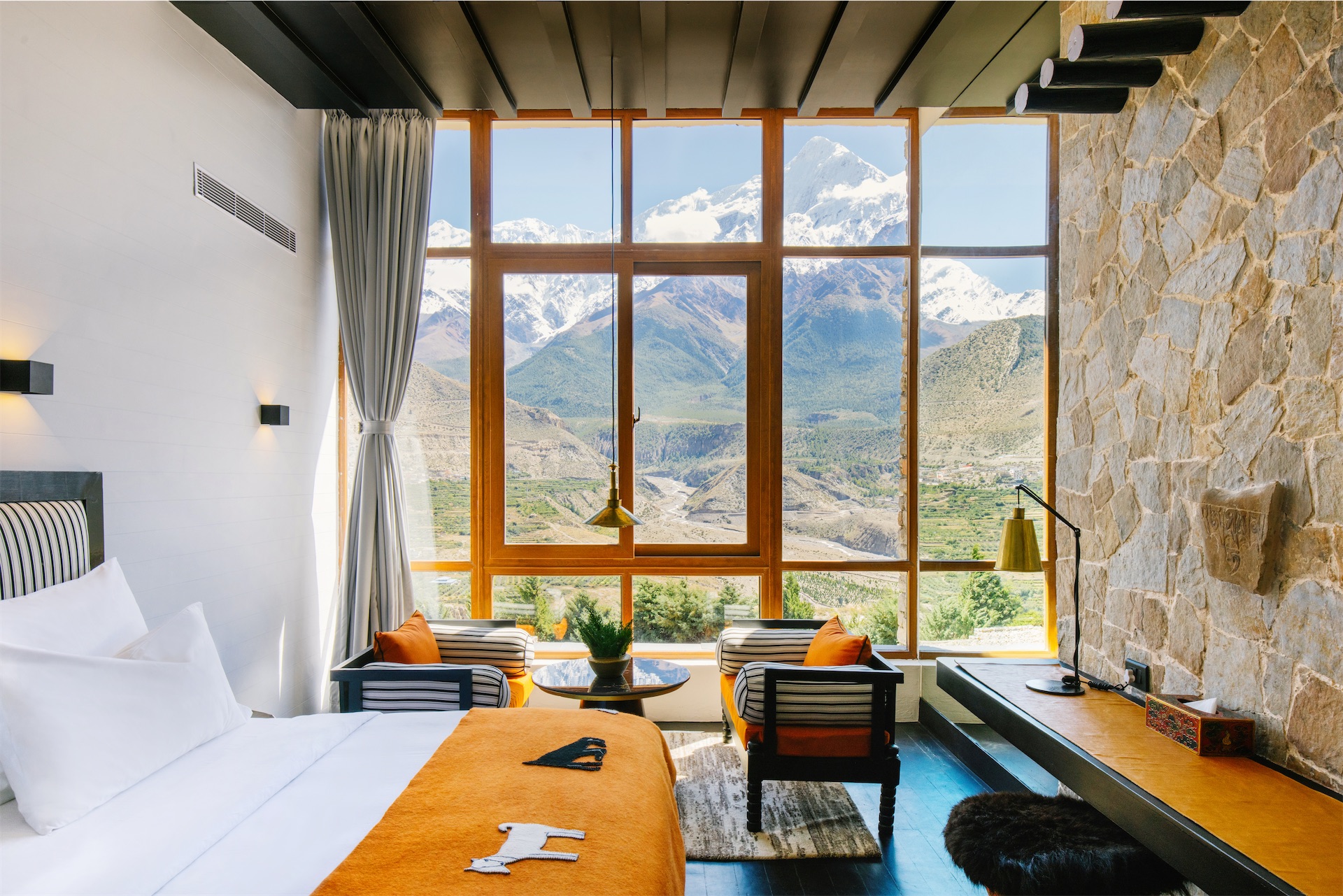
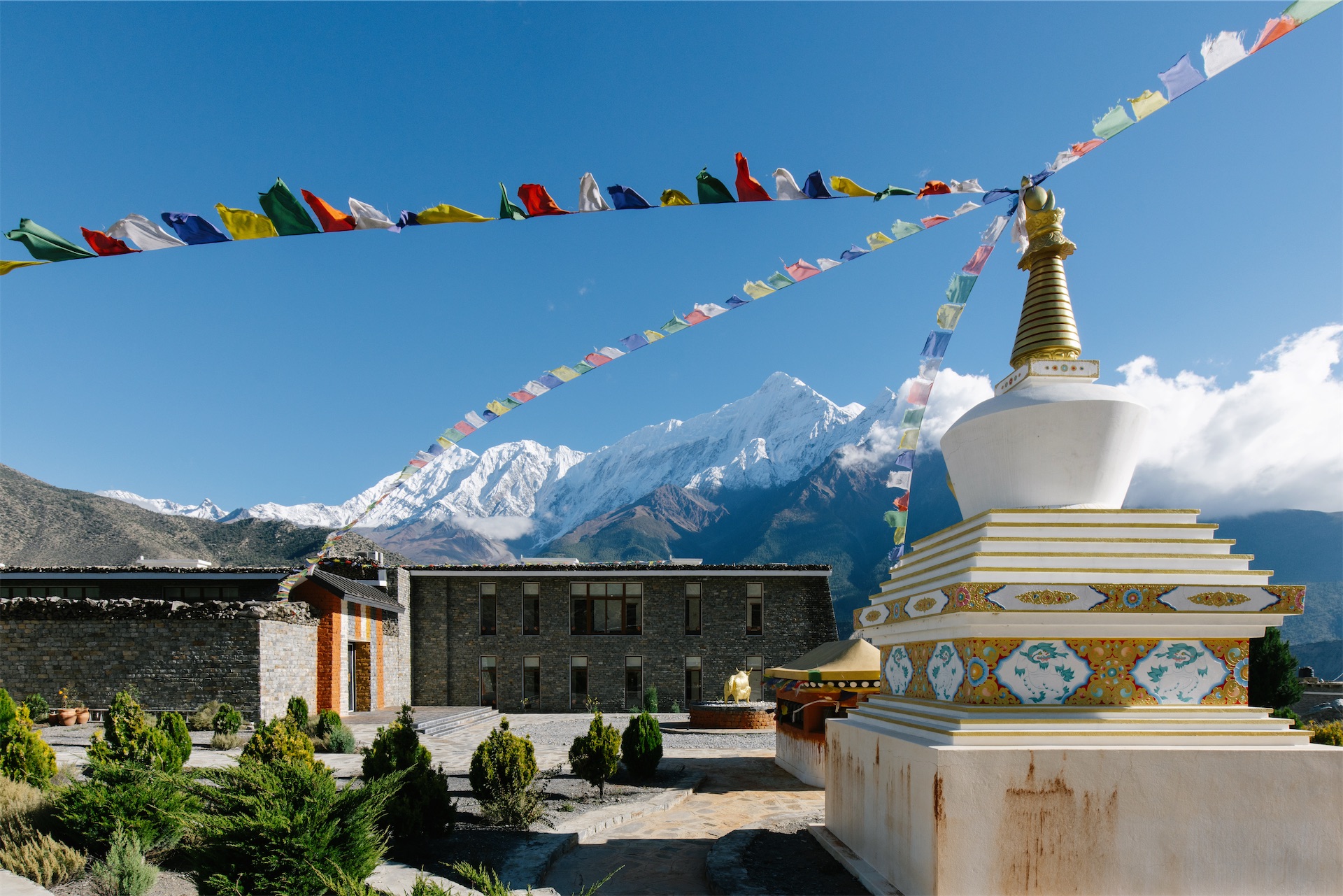
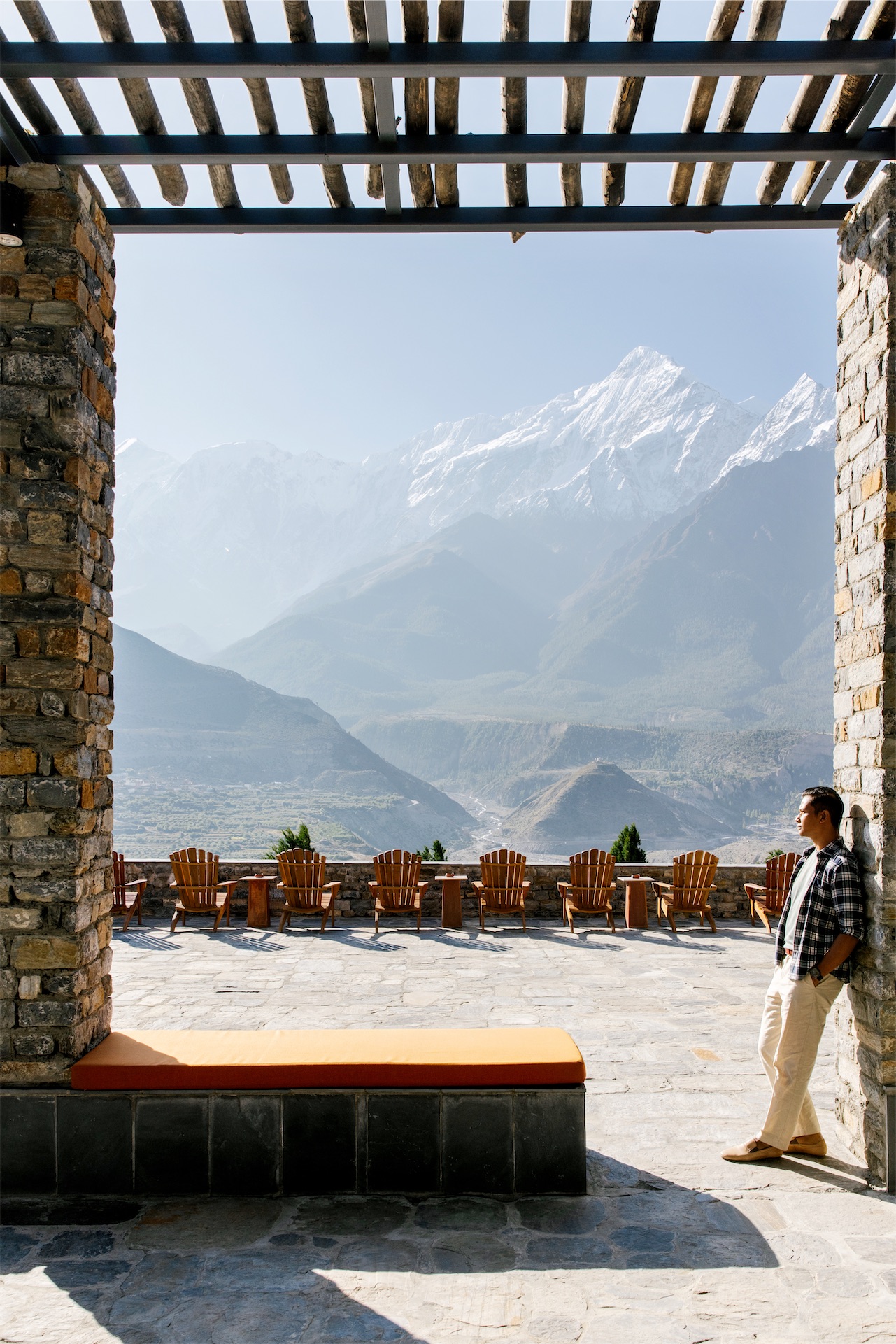
Mustang sits between the Annapurna and Dhaulagiri ranges in northern Nepal, on a high-altitude section of the Tibetan plateau that was closed to outsiders for centuries. Bensley’s second Shinta Mani project, opened in collaboration with hotelier Jason Friedman and Namgyal Sherpa of Sherpa Hospitality, is built above the town of Jomsom in the Kali Gandaki Valley. Twenty-nine suites line a stone building by Nepalese architect Prabal Thapa that almost disappears into the mountainside, with passive solar principles, deep insulation, and an internal courtyard sheltering guests from the powerful Jomsom winds.
The brief Bensley set for himself in Mustang was almost the opposite of Wild.
“In the Himalayas at Shinta Mani Mustang, it becomes about restraint and altitude,” he says. “The architecture responds to light, wind, and silence, drawing from local Mustang traditions while keeping the intervention as light as possible.”
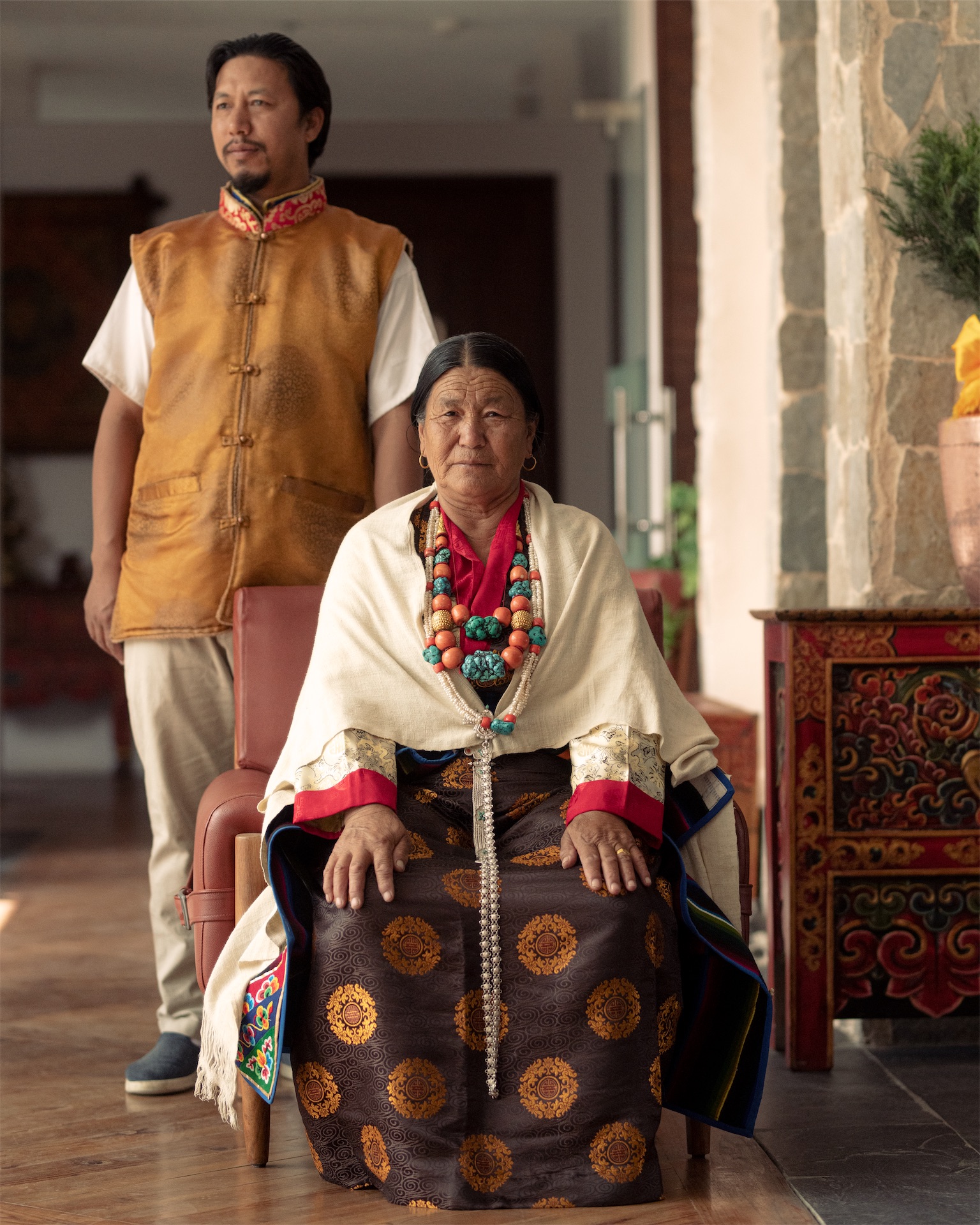
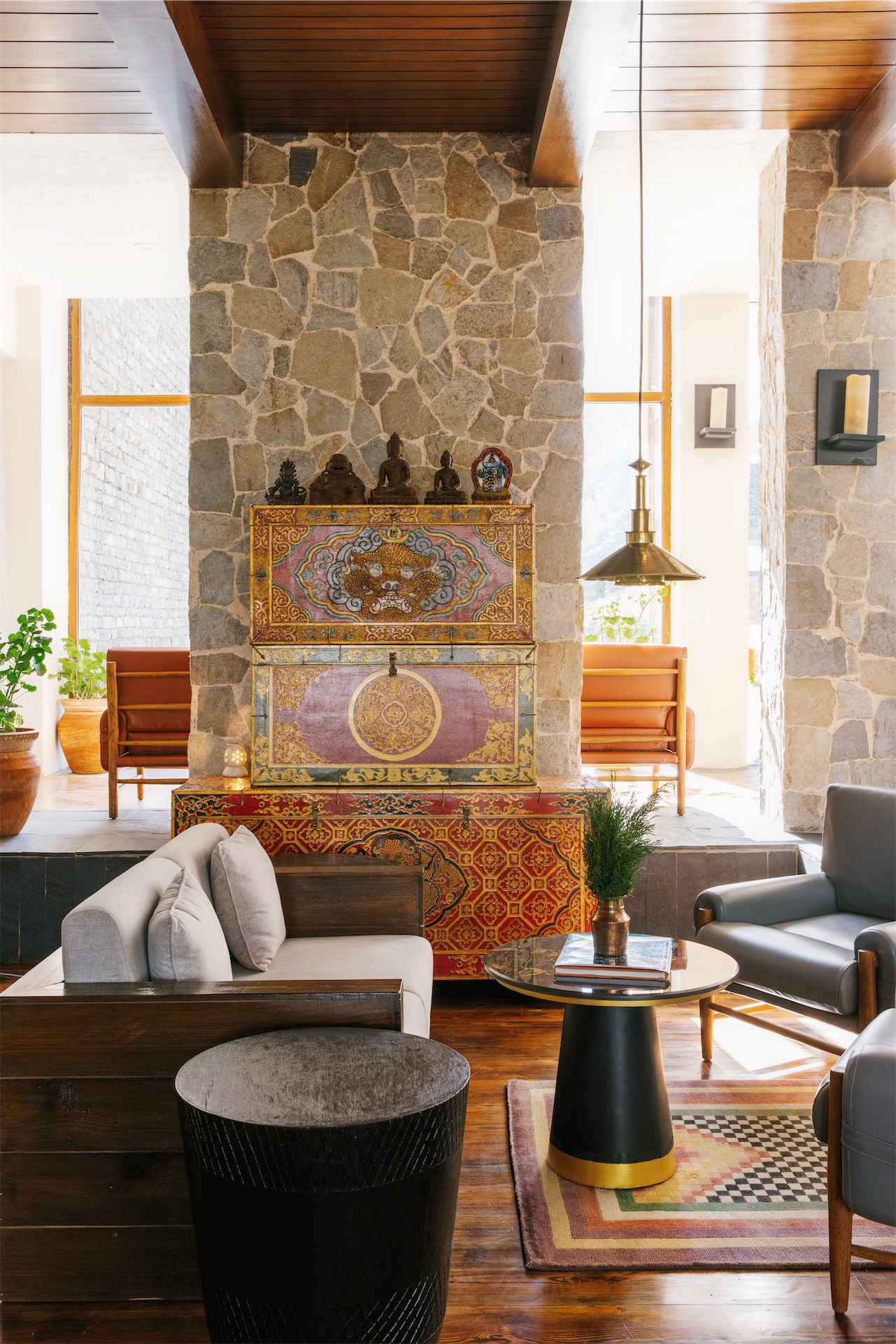
Inside the building, every bed faces the Nilgiri range through unbroken glass. Interiors draw on Tibetan and Mustang traditions, with locally sourced stone, slate, and wood, hand-knotted Mt. Refuge rugs, Altai-Himalaya blankets, and original artworks by Robert Powell and Dhwoj Gurung. A stay is fixed at five nights and built around private guided expeditions, led by Bensley Adventure Butlers, into the apple orchards of Marpha, the medieval village of Kagbeni, the pilgrimage town of Muktinath, and the Bon Buddhist village of Lubra. The wellness program centers on the resort’s 11th-generation Amchi, a respected practitioner of SoRig traditional Himalayan healing.
THE FOUNDATION AND THE CONSERVATION MATH
Across the collection, the hotels are designed to be part of the places they sit inside, not separate from them. That is also where Bensley is most direct.
“Sustainability and community engagement were never an add-on for me,” he says. “They were built into the idea from the very beginning. Through the Shinta Mani Foundation, the intention has always been to make sure that hospitality directly benefits local communities; whether that is through education, training, healthcare, or creating real pathways into employment within the hotels themselves.”
At Wild, that thinking is embedded in the operation itself. At Mustang, it is structural.
“That thinking carries through everything I do,” Bensley says. “At Shinta Mani Wild, where conservation is embedded into the guest experience and operations, and at Shinta Mani Mustang, where working with local people and materials is not a choice, it is the only way it works.”
Revenue from Shinta Mani Mustang supports the Pasang Lhamu Foundation, the Sherpa family non-profit named for the first Nepali woman to summit Everest. Revenue from Shinta Mani Wild funds the Wildlife Alliance rangers protecting the forest outside the tent walls. The principle behind both, Bensley says, is the same.
“For me, it is simple,” he says. “If a project does not improve the place and the lives of the people in it, then it is not worth building.”
WHAT A STAY IS DESIGNED TO LEAVE BEHIND
Ask Bensley what he hopes a guest carries home, and the answer is not about the rooms or the food or the view from the deck.
“I hope guests leave with a sense that they have experienced something that could not exist anywhere else,” he says. “Something rooted deeply in its place, its people, and its purpose. More than comfort or beauty, I want them to feel curiosity, connection, and a little shift in perspective. If they leave seeing Cambodia, the Himalayas, or even travel itself with slightly different eyes, then the experience has done its job.”
He talks about the collection as a process rather than a portfolio.
“I have always seen this as an evolving journey rather than a finished collection,” Bensley says. “Each project has pushed me to rethink what hospitality can be when it is truly rooted in place, purpose, and people. I do not think of it as expansion in the traditional sense. I think of it as continuing to ask better questions, and letting each place answer them in its own way.”
“If a project does not improve the place and the lives of the people in it, then it is not worth building.”
— Bill Bensley, Co-Founder, Co-Owner, and Designer of Shinta Mani Hotels


(1) Who is Bill Bensley?
Bill Bensley is an architect, interior and landscape designer, and the founder and creative director of BENSLEY, a design firm based in Bangkok and Bali. He is co-founder, co-owner, and designer of Shinta Mani Hotels, a small Asian hospitality collection that includes Shinta Mani Wild in Cambodia and Shinta Mani Mustang in Nepal.
(2) Where is Shinta Mani Wild located?
Shinta Mani Wild sits inside a private 350-hectare reserve in the Cardamom Mountains of southern Cambodia, in Preah Sihanouk Province. The camp is reached from Sihanoukville Airport (KOS) by a 90-minute drive or 25-minute helicopter, or from Phnom Penh International (PNH) by road or helicopter, with the final stretch by vintage Jeep and a 400-meter zipline arrival above the Raging Sisters waterfalls.
(3) How does Shinta Mani Wild support conservation?
Shinta Mani Wild was conceived as a conservation tool. Room revenues fund the on-site Wildlife Alliance ranger station, whose armed patrollers dismantle snares, remove illegal logging equipment, and protect the 350-hectare concession from incursion. The camp was designed by Bill Bensley to disappear into the jungle, with raised pathways that follow the land and minimal new construction.
(4) Where is Shinta Mani Mustang located?
Shinta Mani Mustang sits above the town of Jomsom in Lower Mustang, Nepal, in the Kali Gandaki Valley between the Annapurna and Dhaulagiri ranges. The resort is reached from Kathmandu (KTM) via a connecting flight to Pokhara and on to Jomsom Airport (JMO), or by private helicopter directly to the resort’s helipad.
(5) How long is a stay at Shinta Mani Mustang?
Shinta Mani Mustang is built as a fixed five-night all-inclusive program, with private guided expeditions led by Bensley Adventure Butlers into the apple orchards of Marpha, the medieval village of Kagbeni, the pilgrimage town of Muktinath, and the Bon Buddhist village of Lubra, plus consultations with the resort’s 11th-generation Amchi healer.
(6) What is the Shinta Mani Foundation?
The Shinta Mani Foundation is the philanthropic arm of Shinta Mani Hotels, supporting local communities through education, training, healthcare, and pathways into employment within the hotels themselves. Each property in the collection also supports a place-specific cause: Wildlife Alliance rangers at Shinta Mani Wild, and the Pasang Lhamu Foundation at Shinta Mani Mustang.




Subscribe
Enjoy the read?
Get unique stays, hidden gems, and mindful travel tips delivered straight to your inbox—no spam, just wanderlust.