

Awasi runs five small lodges in South America. Each one sits in a very different place: Patagonia, the Atacama Desert, the rainforest at Iguazú, the vineyards of Mendoza, and the Atlantic Forest coast in Brazil. The idea behind all five is the same. Every villa gets its own private guide and its own 4WD vehicle. There are no fixed schedules. Guests choose the pace of each day.
Awasi runs five small lodges in South America. Each one sits in a very different place: Patagonia, the Atacama Desert, the rainforest at Iguazú, the vineyards of Mendoza, and the Atlantic Forest coast in Brazil. The idea behind all five is the same. Every villa gets its own private guide and its own 4WD vehicle. There are no fixed schedules. Guests choose the pace of each day.
FROM URUGUAY TO AWASI: ÁLVARO VALERIANI ON HOSPITALITY AS HOME
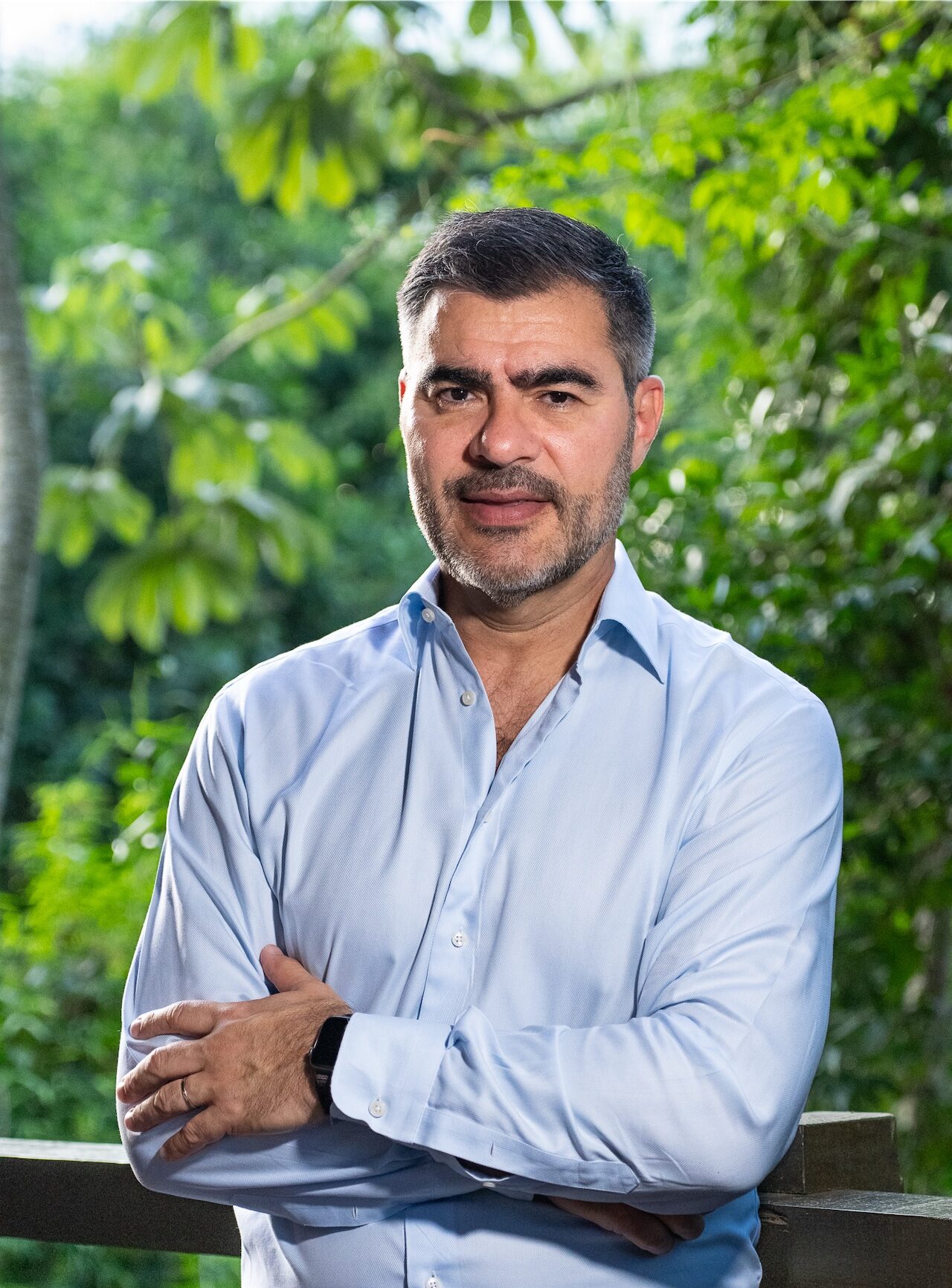
Álvaro Valeriani, the Chief Commercial Officer of Awasi, was born in Uruguay. He has worked in hospitality for more than thirty years, across Latin America, Europe and Asia. Ask him what holds the work together and the answer is simple.
“I have been guided,” he says, “by a deep curiosity for people, places and cultures, and by the belief that hospitality is, above all, about creating meaningful connections.”
He studied Hospitality Marketing at Cornell and Design Thinking at Stanford. Both schools shaped how he works today. “My approach has always combined strategic thinking with creativity and empathy,” he says. “These experiences taught me to look at hospitality not just as an industry, but as a way to design moments that stay with people long after they have traveled.”
Joining Awasi made sense to him. “Awasi’s philosophy, centered on time, personalization, and a profound connection with nature and local culture, reflects exactly what I have sought to cultivate throughout my career,” he says. “It is about slowing down, understanding each guest’s rhythm, and crafting experiences that are both authentic and transformative.”
HOSPITALITY AS HOME: THE AWASI BRIEF
The name comes first. Awasi is built on the Quechua word wasi, which means “house.” The choice was deliberate. “This reflects our belief,” Álvaro says, “that travel should feel intimate and authentic, connecting guests not just to a place, but to its culture, landscapes and stories.”
What does that look like in practice? Álvaro has a clear answer. “Guests are meant to feel as if they are staying in the home of an old, dear friend. Every detail guides them to the best local spots, introduces native flavors, and reveals hidden gems off the beaten path.”
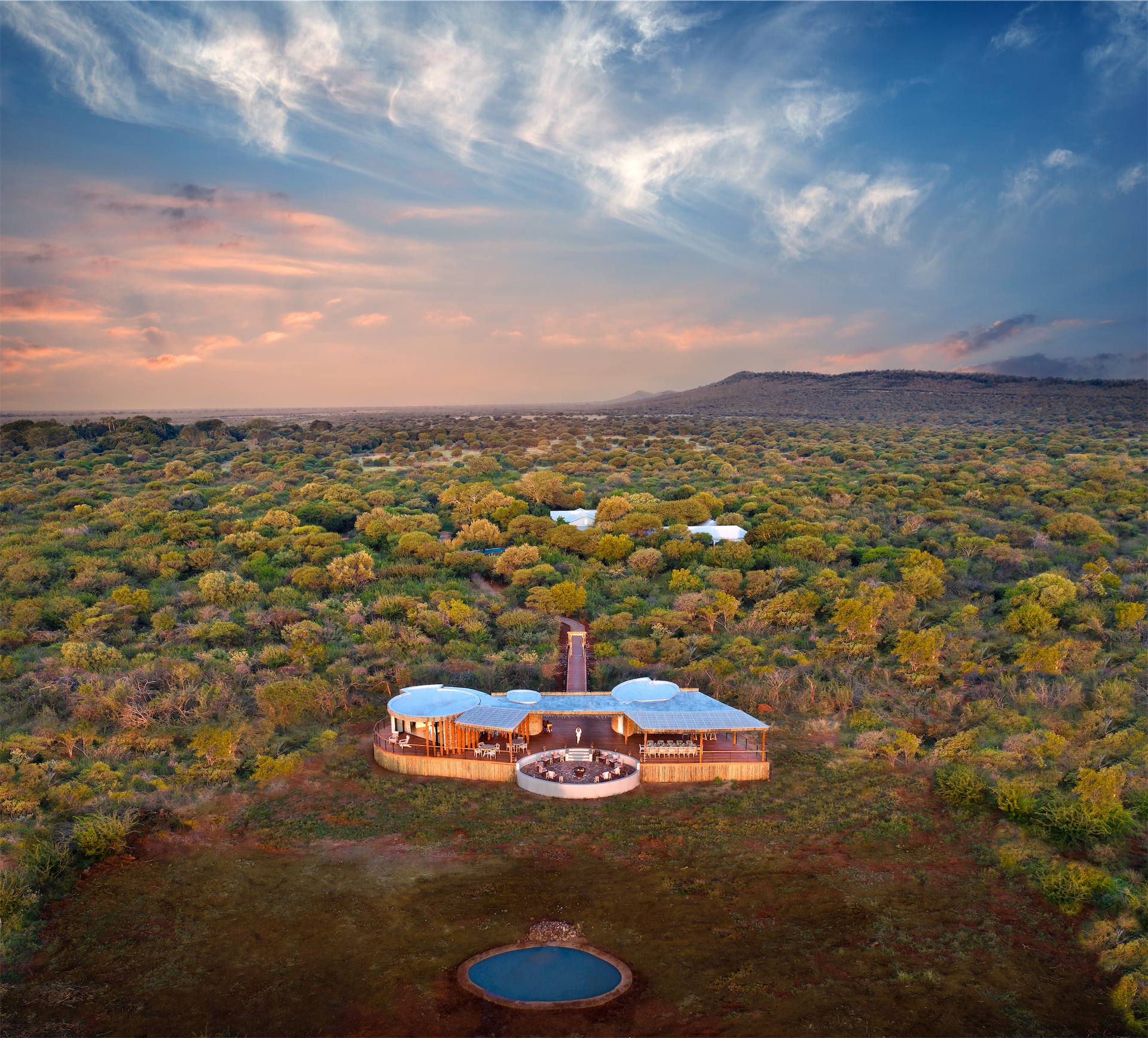
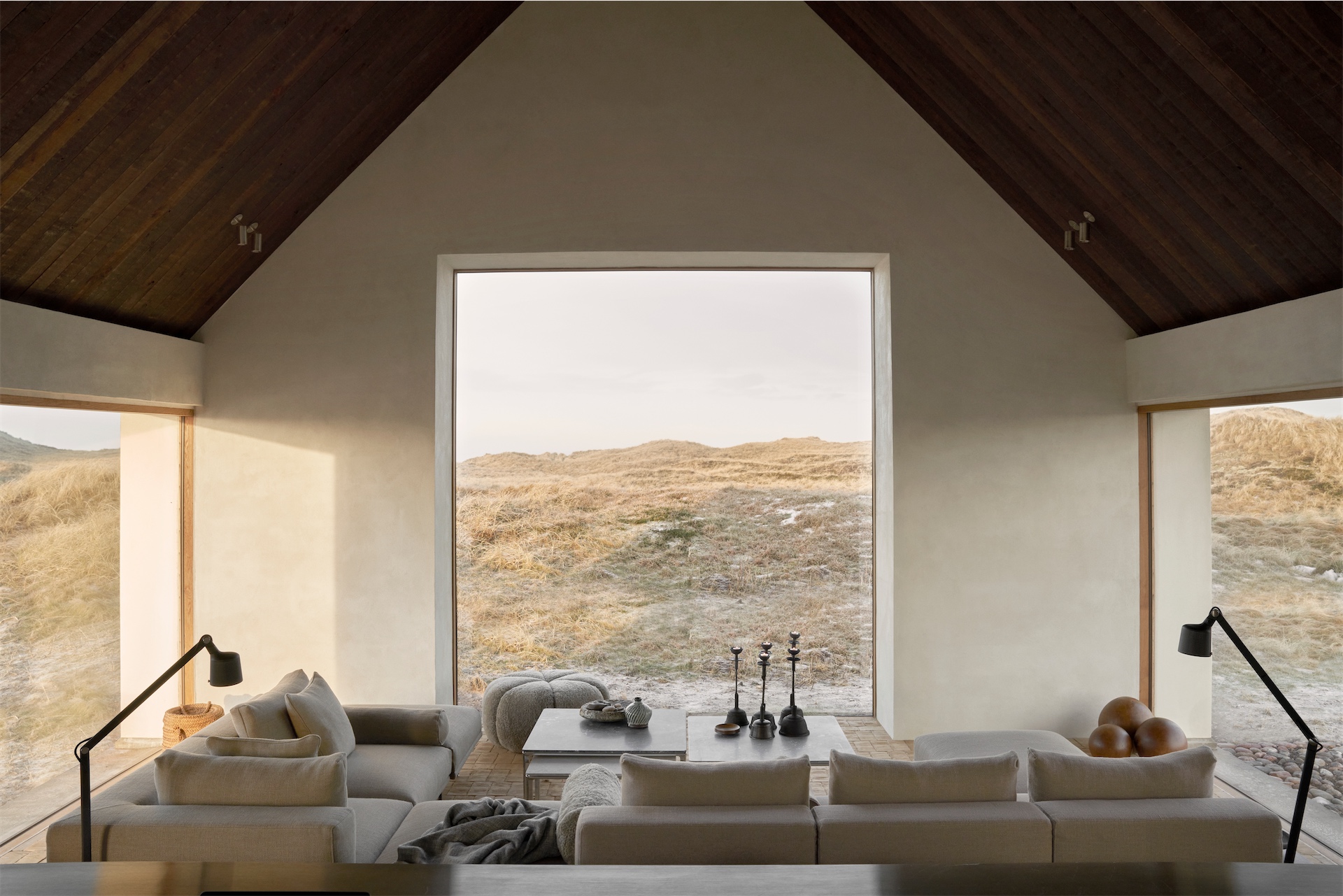
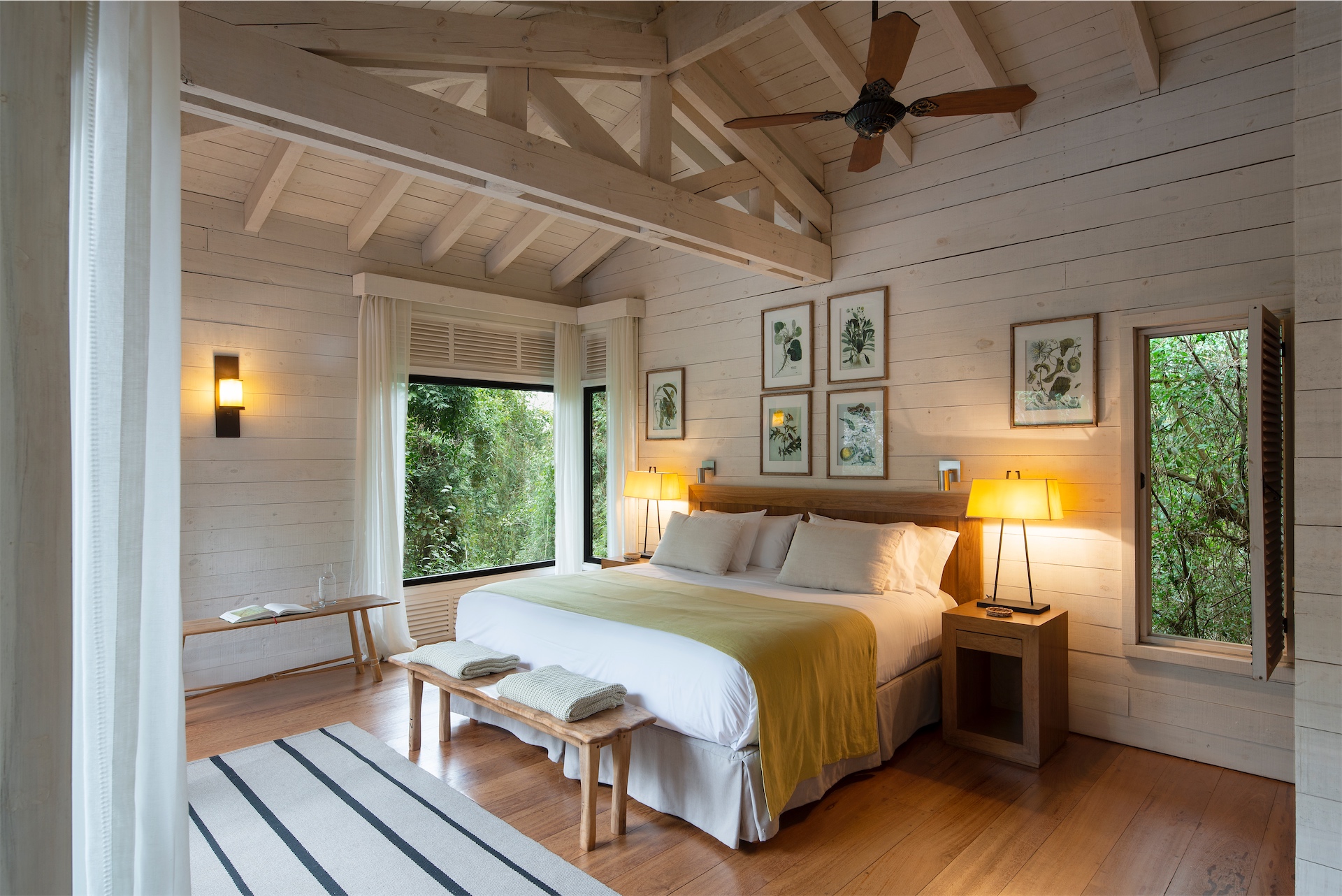
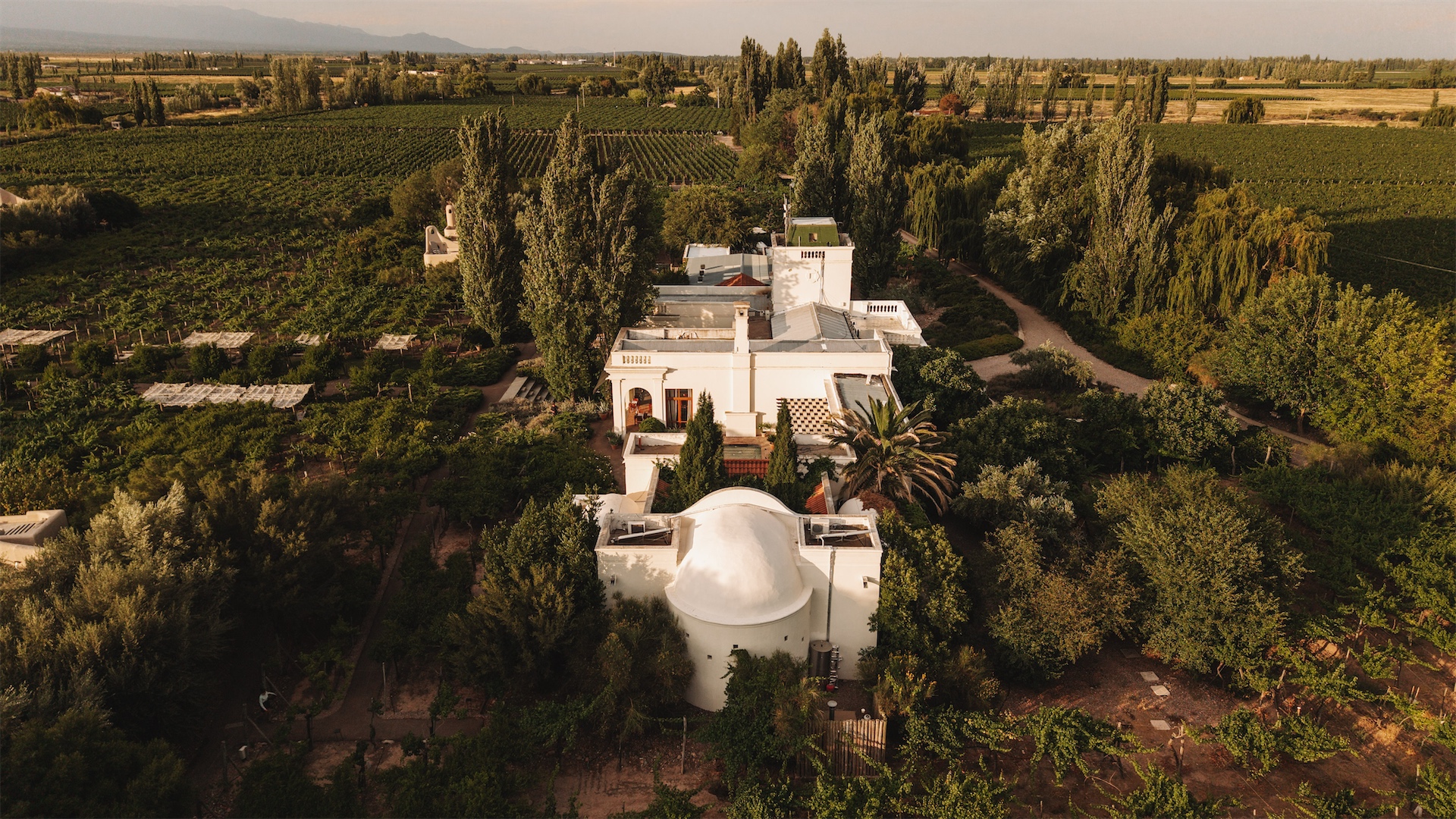
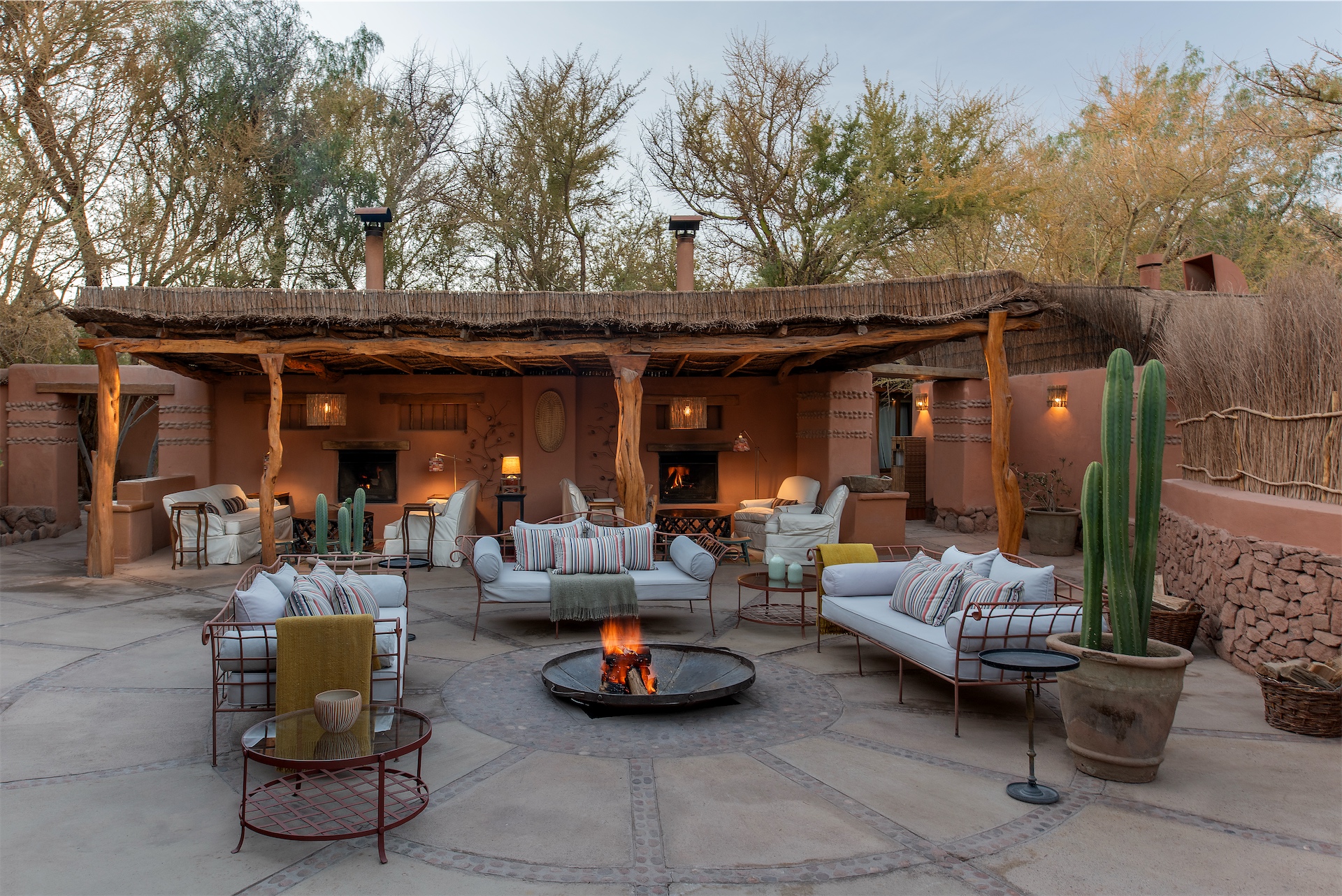
The lodges are small on purpose. The biggest has twenty-five villas. The smallest has twelve. The architecture is simple and local: adobe in the Atacama, raised wooden pavilions in the Iguazú rainforest, mountain shelters in Patagonia, Spanish colonial in Mendoza, low coastal villas in Brazil. “The lodges themselves,” Álvaro says, “are small, intimate and designed to blend seamlessly with the landscape and the local culture, offering comfort and a deep sense of connection to nature.”
ONE VILLA, ONE GUIDE, ONE 4WD: THE AWASI MODEL EXPLAINED
The most important part of how Awasi works is also the simplest. Every villa has its own private guide and its own 4WD vehicle for the whole stay. Álvaro describes it the same way each time.
“At Awasi, each stay is unique,” he says. “Each villa has its own private guide and 4WD vehicle, allowing for tailor-made explorations of the surroundings.”
This changes the whole shape of a day. There are no group tours. There are no set departure times. There is no list of activities to choose from. Guests share their interests before they arrive, and the team plans each day around them. Some mornings are spent on photography. Some afternoons follow a quiet trail. Weather and mood get to decide.
“From the outset,” Álvaro says, “the goal was to offer guests a deeply authentic experience: private explorations led by a personal guide, with a dedicated 4WD vehicle, and lodges designed to immerse travelers in their surroundings.”
“Awasi comes from the Quechua word wasi, meaning house. We want guests to feel as if they are staying in the home of an old, dear friend.”
— Álvaro Valeriani, Chief Commercial Officer of Awasi


FIVE BIOMES, ONE PHILOSOPHY: AWASI ACROSS SOUTH AMERICA
Each lodge sits in a very different landscape. The brand started with three. “The brand’s essence,” Álvaro says, “was shaped by its first destinations: Patagonia, Atacama and Iguazú.”
Awasi Patagonia sits in a private reserve in Chile, with a view across Lake Sarmiento to the granite towers of Torres del Paine. Fourteen villas are spread through native lenga and ñirre forest. Days are spent on hikes inside Torres del Paine National Park, on horseback across the steppe, on wildlife outings, and on quiet drives through remote valleys.
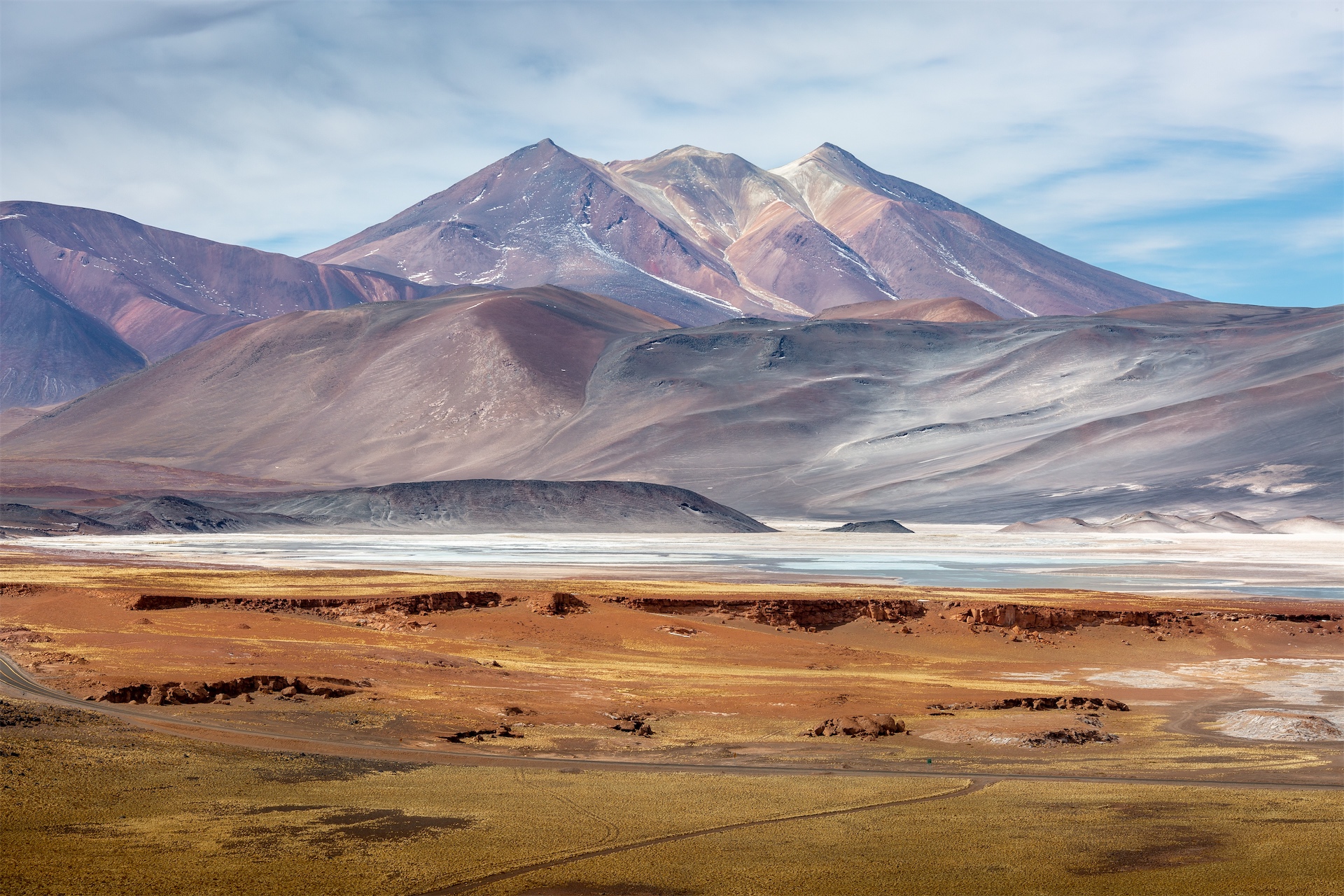
Awasi Atacama is in the north of Chile, on the edge of San Pedro de Atacama. Twelve adobe suites sit in the desert. Patios are private. The night skies are some of the clearest in the world. Days are spent at salt flats, high-altitude lagoons, volcanoes, and old cultural sites. Crowds are easy to avoid.
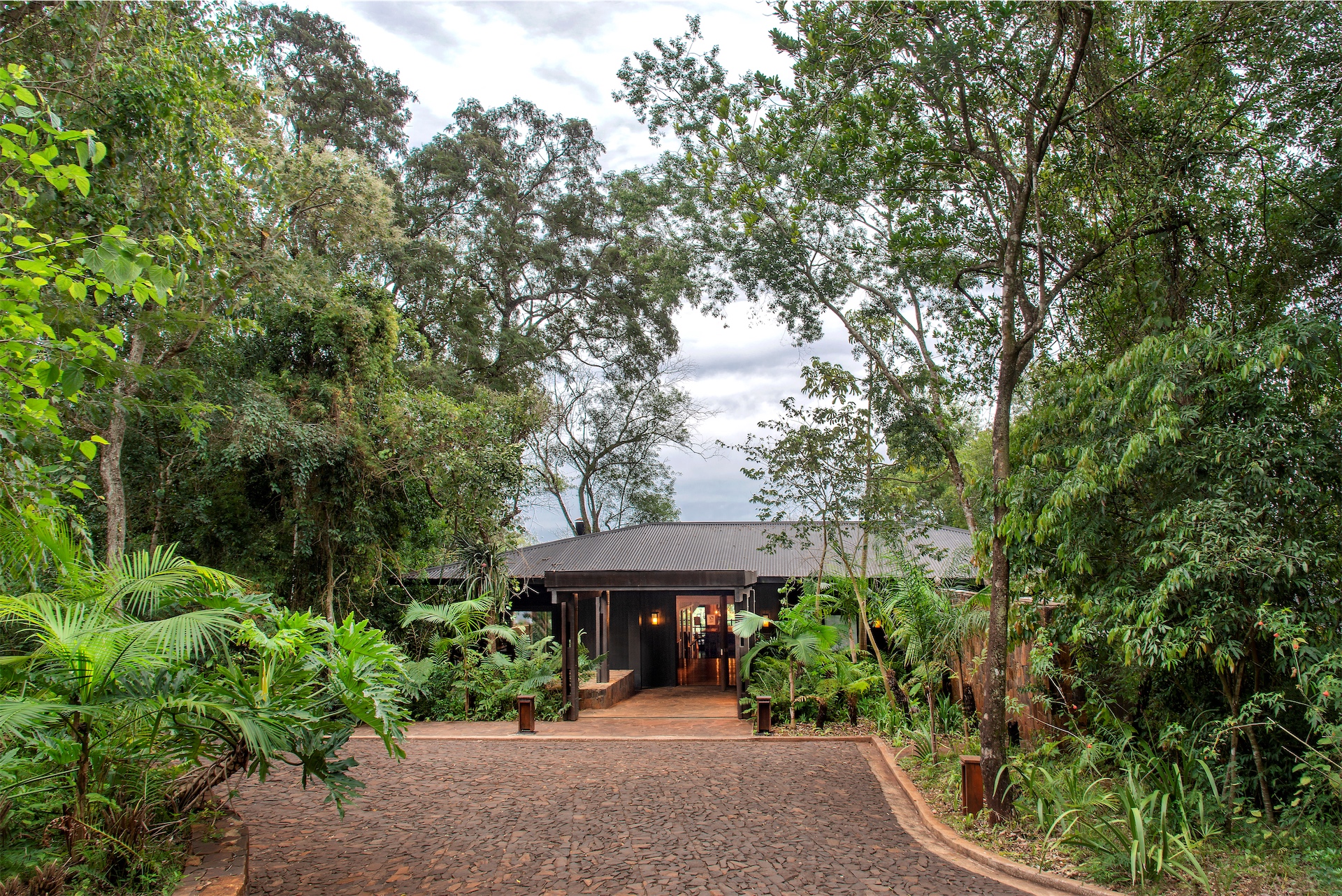
Awasi Iguazú sits deep in the Atlantic rainforest, on the Argentine side of the Iguazú Falls. Fourteen villas are raised above the forest floor. Guests visit the falls in their quietest hours and walk trails that most visitors never see. Wildlife shows up if you wait.
Then came the fourth and fifth. “Building on this foundation,” Álvaro says, “Awasi has expanded its portfolio beyond its original lodges to include new properties in distinctive and remote locations, allowing guests to explore a variety of unique biomes.”
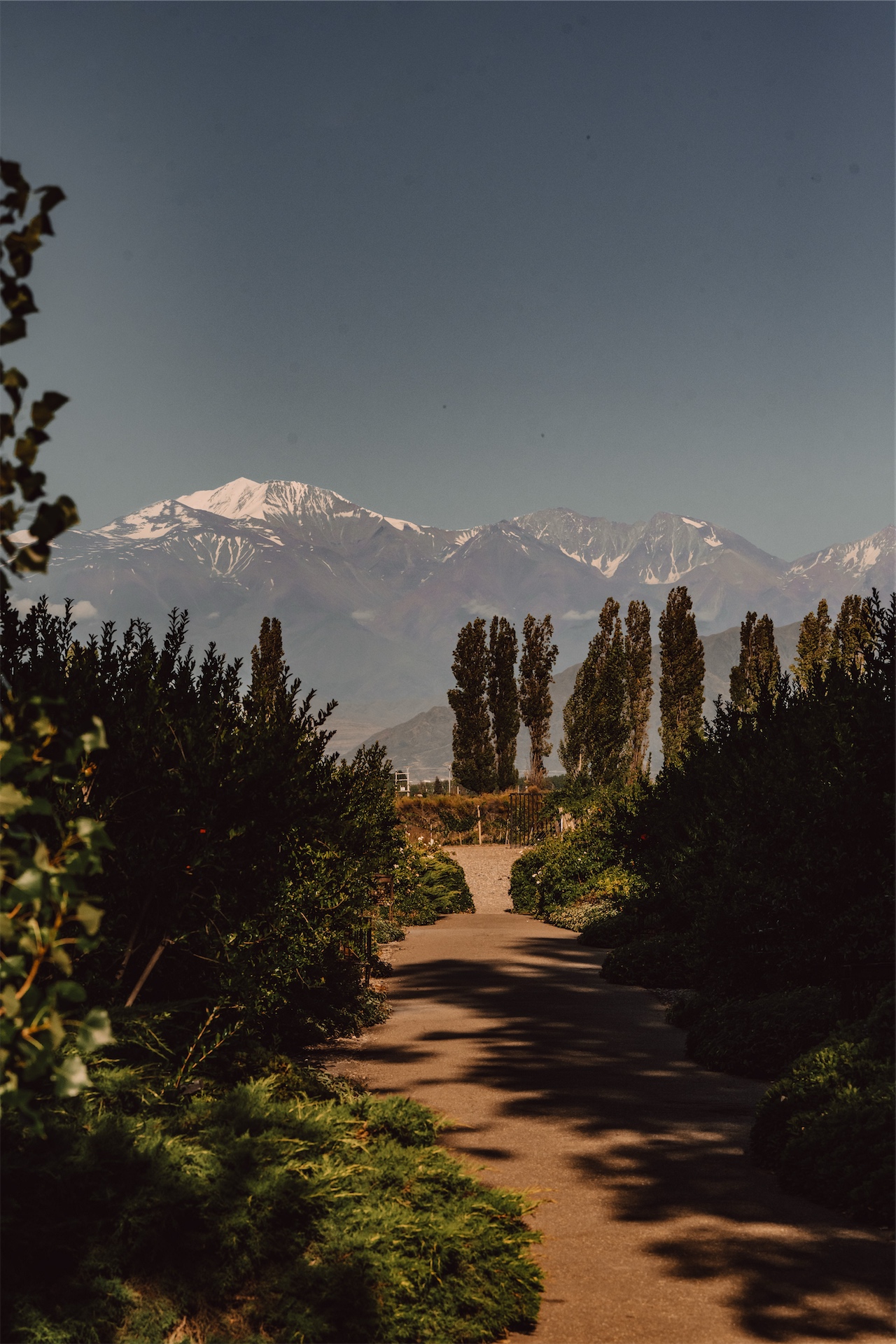
Awasi Mendoza sits on a 55-acre vineyard in Luján de Cuyo, with the Andes in the background. There are seventeen villas. Each one has its own terrace, fireplace, pool and hot tub. The chef, Hernán Zavaleta, leads a kitchen that uses produce from the lodge’s organic garden and from local growers. Private guides plan the winery visits.
Awasi Santa Catarina is the newest lodge, on a private peninsula on Brazil’s Emerald Coast. Twenty-five villas sit in a reserve where the Atlantic Forest meets the sea. Days are gentler here: forest walks, kayaking, paddleboarding, snorkeling near the Três Ilhas archipelago, and beach time.
Five lodges, the same idea. “Every journey at Awasi is designed to create lasting memories of genuine discovery,” Álvaro says. The kitchens are part of the brand’s Relais & Châteaux affiliation, with a focus on local ingredients and unhurried meals.
INSTITUTO ESPERANZA: A QUIET PARTNERSHIP IN IGUAZÚ
Awasi cares about the people who live near its lodges, too. At Awasi Iguazú, that shows up in a partnership with Instituto Esperanza, a special education school in the area.
“At Awasi Iguazú, we collaborate with the Instituto Esperanza to integrate its students into our team,” Álvaro says. “Currently, Hernán works at the restaurant and Alan in the guides’ warehouse.”
The program is carefully designed. “It is co-designed with the school’s director and psychologist,” he explains, “to ensure that roles and responsibilities match each student’s abilities.” The goal is simple: real work, professional growth, and inclusion for students with special needs.
The program has begun to spread beyond Awasi. “Our HR team in Iguazú,” Álvaro adds, “shares guidance with other companies in the region to help them implement similar programs.”
WHAT GUESTS TAKE HOME FROM AWASI
What does Awasi want guests to take home from a stay? Álvaro answers the question the same way each time.
“We want guests to leave with a truly authentic experience, feeling they have discovered the destination in a personal and meaningful way, connected to its people, culture, and landscapes.”
That is the brief. Five lodges, five landscapes, and a stay that feels like visiting a place a friend already knows.
“We want guests to leave with a truly authentic experience, feeling they have discovered the destination in a personal and meaningful way, connected to its people, culture and landscapes.”
— Álvaro Valeriani, Chief Commercial Officer of Awasi



(1) What does the name Awasi mean?
Awasi comes from the Quechua word wasi, meaning “house.” The name reflects the brand’s belief that travel should feel intimate and authentic, more like staying in the home of an old friend than a hotel.
(2) Where are Awasi’s lodges located?
Awasi operates five lodges across South America: Awasi Patagonia near Torres del Paine in Chile, Awasi Atacama in San Pedro de Atacama, Awasi Iguazú on the Argentine side of the Iguazú Falls, Awasi Mendoza in Luján de Cuyo wine country and Awasi Santa Catarina on Brazil’s Emerald Coast.
(3) How does the Awasi private-guide model work?
Every villa at Awasi is paired with a dedicated private guide and a private 4WD vehicle for the entire stay. There are no shared excursions and no fixed schedules. Guests share their interests before arrival, and each day is built around their pace, energy and curiosity.
(4) How many villas does each Awasi lodge have?
Awasi keeps its lodges deliberately small. Awasi Atacama has twelve suites. Awasi Patagonia and Awasi Iguazú each have fourteen villas. Awasi Mendoza has seventeen villas. Awasi Santa Catarina, the newest of the collection, has twenty-five villas.
(5) Is Awasi a Relais & Châteaux member?
Yes. Awasi is a Relais & Châteaux property, and its dining philosophy reflects that membership across the collection, with a focus on local ingredients, regional flavors and unhurried meals.
(6) Is Awasi suitable for families with children?
Awasi welcomes children over the age of ten at Awasi Patagonia, Atacama, Iguazú and Santa Catarina. Awasi Mendoza welcomes children over the age of fourteen, given the wine-led nature of the experience.
(7) What is the best way to plan an Awasi itinerary?
Many guests combine two or three Awasi lodges in a single journey, for example pairing Patagonia and Atacama, or adding Iguazú and Mendoza for a broader sweep across South America. Sharing interests, fitness level and pace in advance allows the lodges to design tailor-made daily itineraries before guests arrive.

Plan Your Stay
- Upgrade on arrival, subject to availability
- Daily breakfast for up to two guests per bedroom, served in the restaurant and via in-room dining (already included in property rates)
- Special personalized several courses tasting menu with wine pairing
- Early Check-In / Late Check-Out, subject to availability
- Complimentary Wi-Fi

BOOK NOW

BOOK NOW
Subscribe
Enjoy the read?
Get unique stays, hidden gems, and mindful travel tips delivered straight to your inbox—no spam, just wanderlust.
Other Stories



- Upgrade on arrival, subject to availability
- Daily breakfast for up to two guests per bedroom, served in the restaurant and via in-room dining (already included in property rates)
- Special personalized several courses tasting menu with wine pairing
- Early Check-In / Late Check-Out, subject to availability
- Complimentary Wi-Fi
BOOK NOW
BOOK NOW