The James Bradley: A Seventeen-Room Jersey Shore Boutique Built on the Philosophy of Considered, Not Curated
May 25, 2026
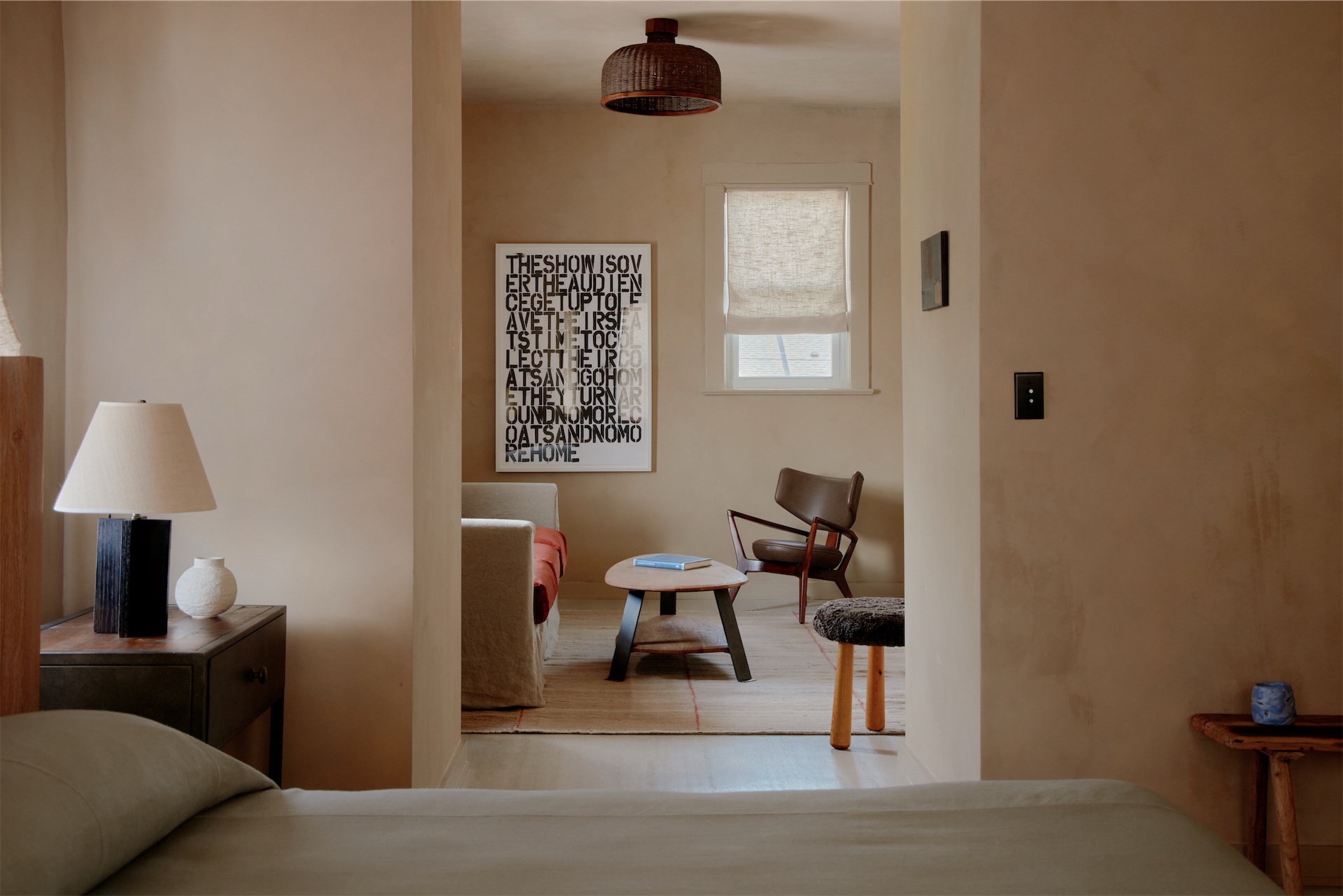

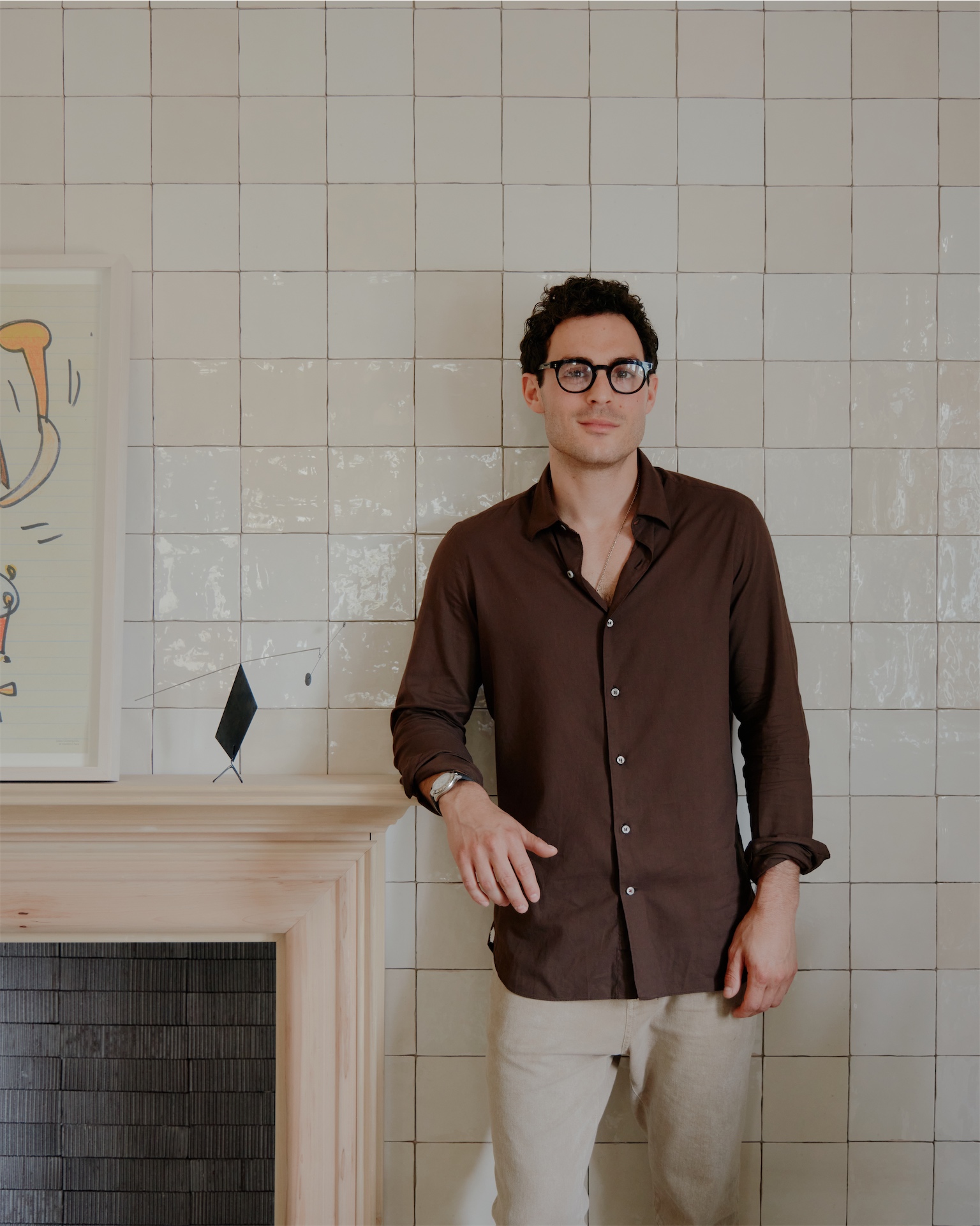
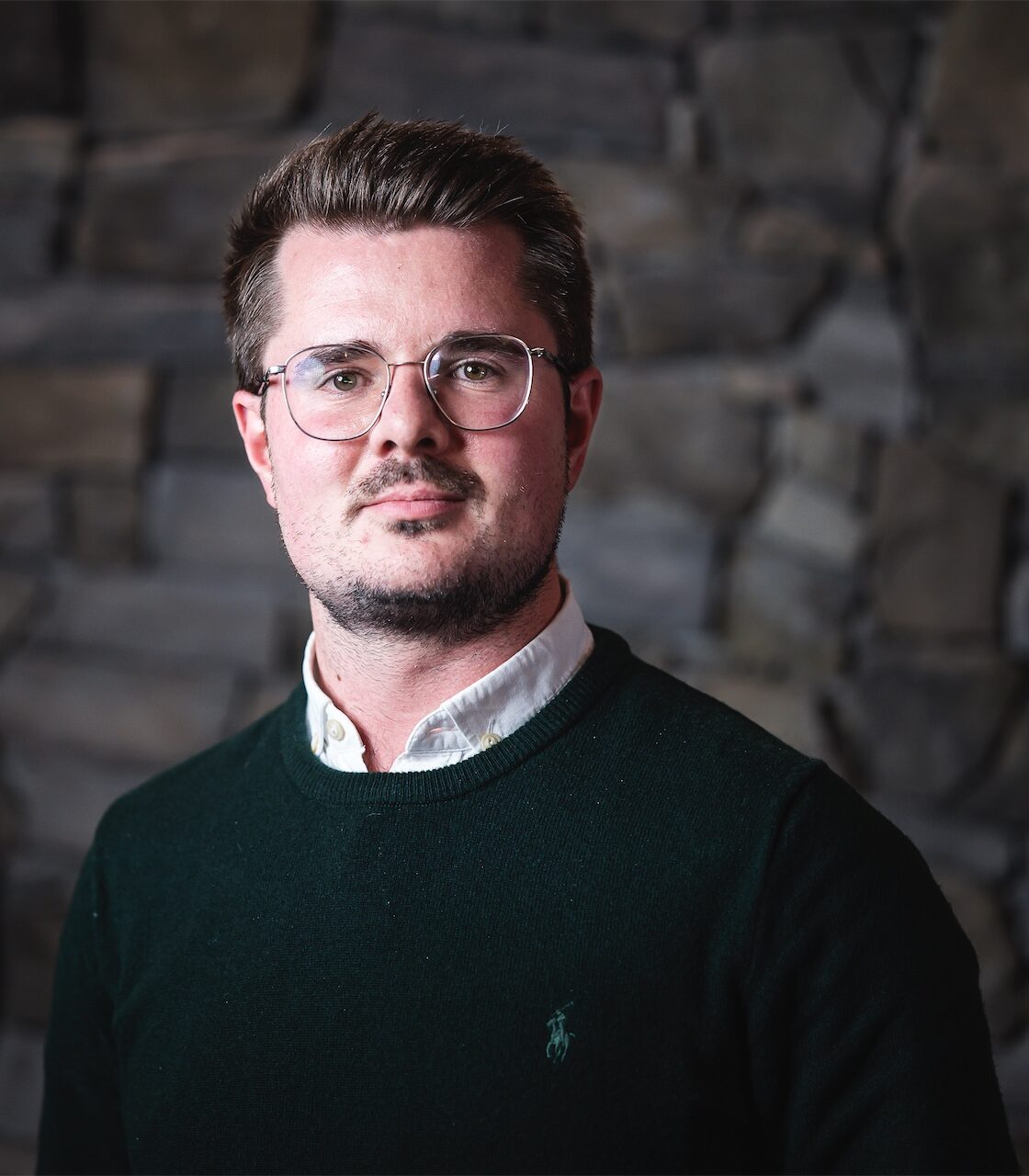
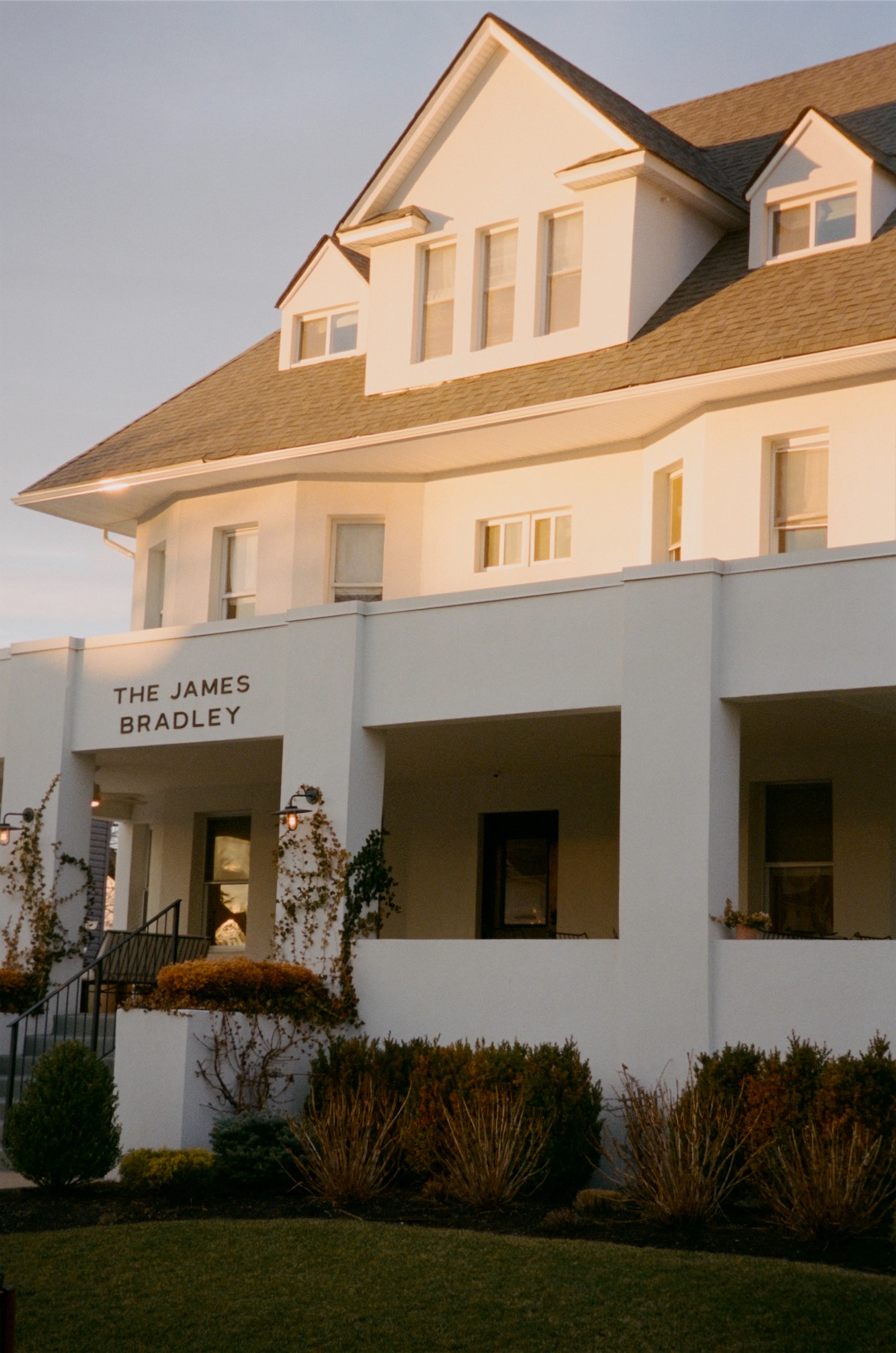
Most boutique hotels are not started by healthcare investment bankers. The James Bradley is. George DiStefano spent his early career in healthcare finance, then moved into his family’s construction management firm between Manhattan and Palm Beach, then came across a 121-year-old house one block from the Atlantic in Bradley Beach, New Jersey. He bought it, restored it with Manhattan-based designer Sebastian Zuckowicki, and reopened it as a seventeen-room boutique hotel named for his grandfather. The hotel sits five minutes from Asbury Park’s art and music scene and just over an hour from Manhattan, but the rhythm inside the building is set to the quieter side of the Jersey Shore. Many of the lamps, the furniture, and the objects inside the rooms come from DiStefano’s own design studio. Out of the work on the hotel, he and his partner Lucas Willing also founded a decorative finishing studio. Three connected creative practices, one seventeen-room building, one philosophy DiStefano repeats in two words: considered, not curated.
Most boutique hotels are not started by healthcare investment bankers. The James Bradley is. George DiStefano spent his early career in healthcare finance, then moved into his family’s construction management firm between Manhattan and Palm Beach, then came across a 121-year-old house one block from the Atlantic in Bradley Beach, New Jersey. He bought it, restored it with Manhattan-based designer Sebastian Zuckowicki, and reopened it as a seventeen-room boutique hotel named for his grandfather. The hotel sits five minutes from Asbury Park’s art and music scene and just over an hour from Manhattan, but the rhythm inside the building is set to the quieter side of the Jersey Shore. Many of the lamps, the furniture, and the objects inside the rooms come from DiStefano’s own design studio. Out of the work on the hotel, he and his partner Lucas Willing also founded a decorative finishing studio. Three connected creative practices, one seventeen-room building, one philosophy DiStefano repeats in two words: considered, not curated.
FROM HEALTHCARE INVESTMENT BANKING TO A 121-YEAR-OLD JERSEY SHORE HOUSE
George DiStefano did not grow up in hospitality.
“My path to hospitality was a bit unconventional,” he says. “I began my career in healthcare investment banking, a world defined by structure, precision, and pace. Over time, I moved into my family’s construction management firm, working between Manhattan and Palm Beach. That shift grounded me in design and craftsmanship, understanding how things are built, not just how they appear.”
The hotel is where all of those threads land in one place.
“The James Bradley became the intersection of all of that,” he says. “I wanted to create a place that felt intentional but not precious, a modern interpretation of coastal hospitality that is elegant, edited, and real. It is named for my grandfather, but it also carries the DNA of every lesson I have learned about care, longevity, and good design.”
The operating philosophy, in his own framing, comes from the way someone runs their own house.
“It started with a simple philosophy: treat everything like it is your own,” DiStefano says. “That idea informed every decision, from how we restored the building to how we approach service. I did not want to create another hotel brand. I wanted to build something that felt personal and enduring.”
WHY BRADLEY BEACH, AND NOT ASBURY PARK
The James Bradley sits five minutes from Asbury Park, the louder, more famous Jersey Shore town a short drive up the coast. The choice to plant the hotel in Bradley Beach instead was deliberate.
“Bradley Beach is not trying to be anything it is not,” DiStefano says, “and that is exactly its appeal. There is a stillness and honesty to it that you rarely find on the coast. The rhythm of the town is slower, and that informed everything about how the property moves. The James Bradley was designed to match that pace, unhurried, thoughtful, never overstated.”
Asked to put that pace into a sentence, he comes back to a sensory image.
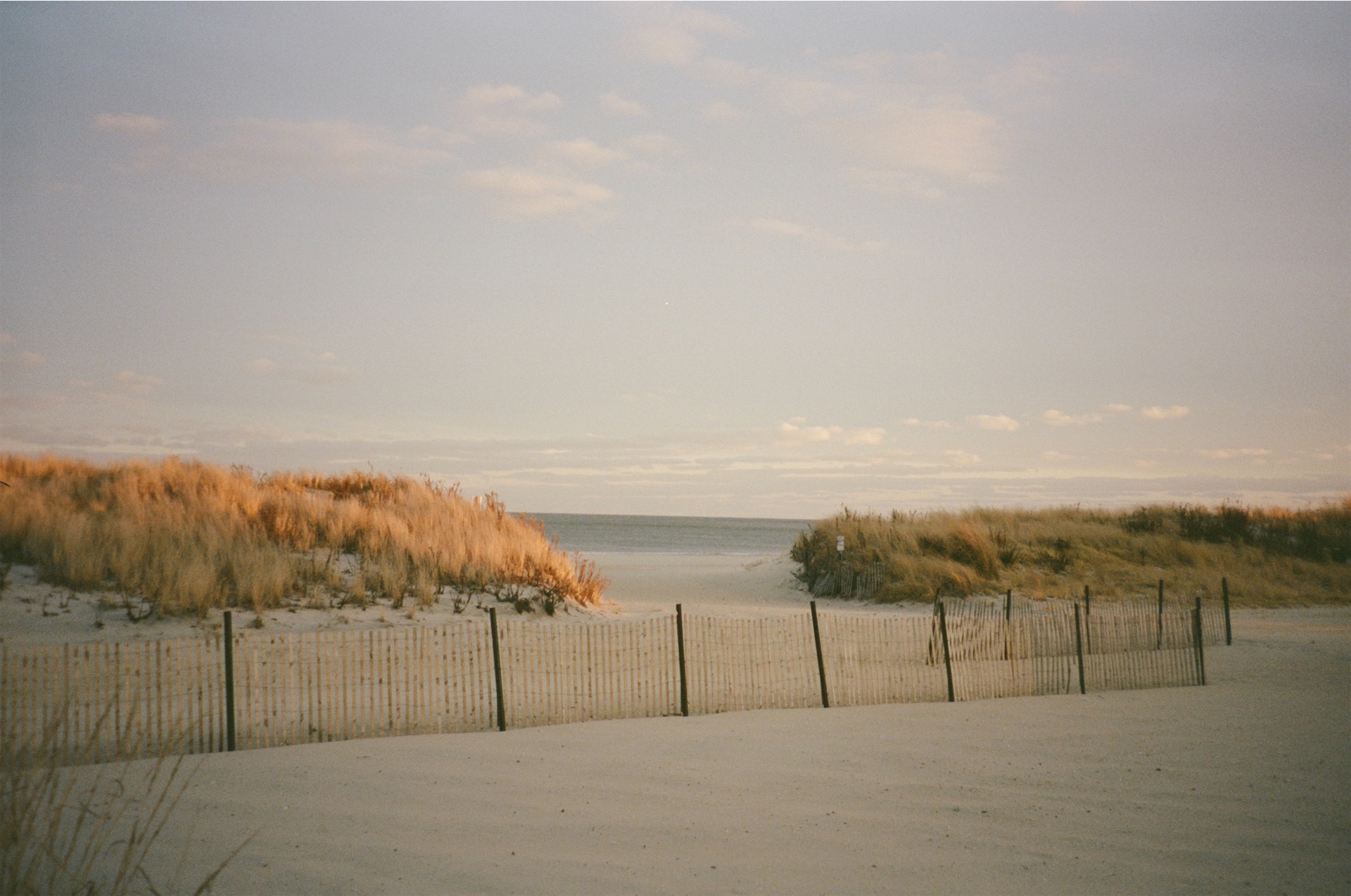
“You feel the ocean before you see it here,” he says, “and that sense of calm is what I wanted the hotel to hold onto. It is less about spectacle and more about tone. How a space makes you breathe a little deeper the moment you walk in.”
CONSIDERED, NOT CURATED: HOW THE INTERIORS CAME TOGETHER
The design of the hotel was led by Manhattan-based designer Sebastian Zuckowicki, guided by DiStefano’s creative direction. The brief, in DiStefano’s telling, was about taking things away rather than adding them.
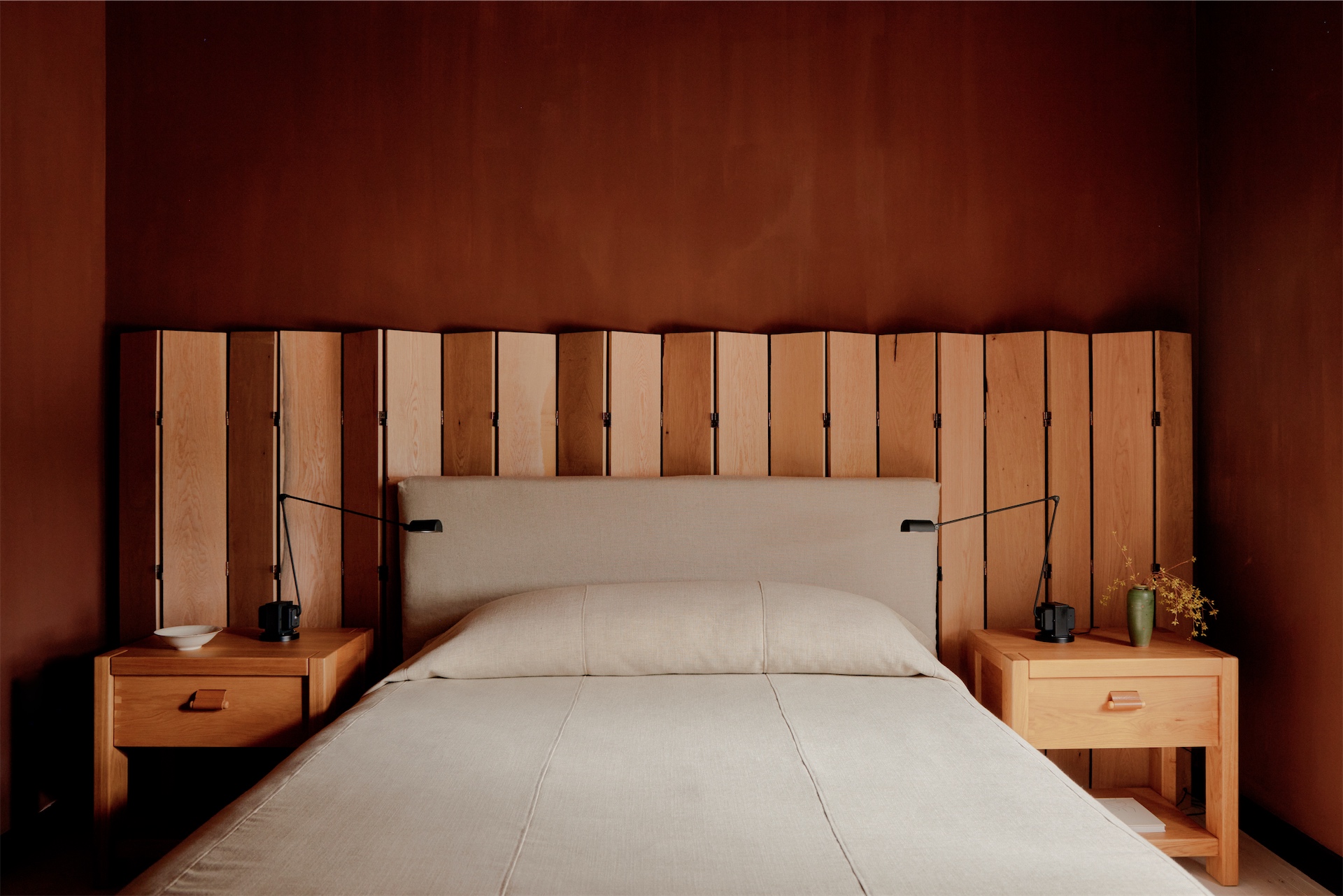
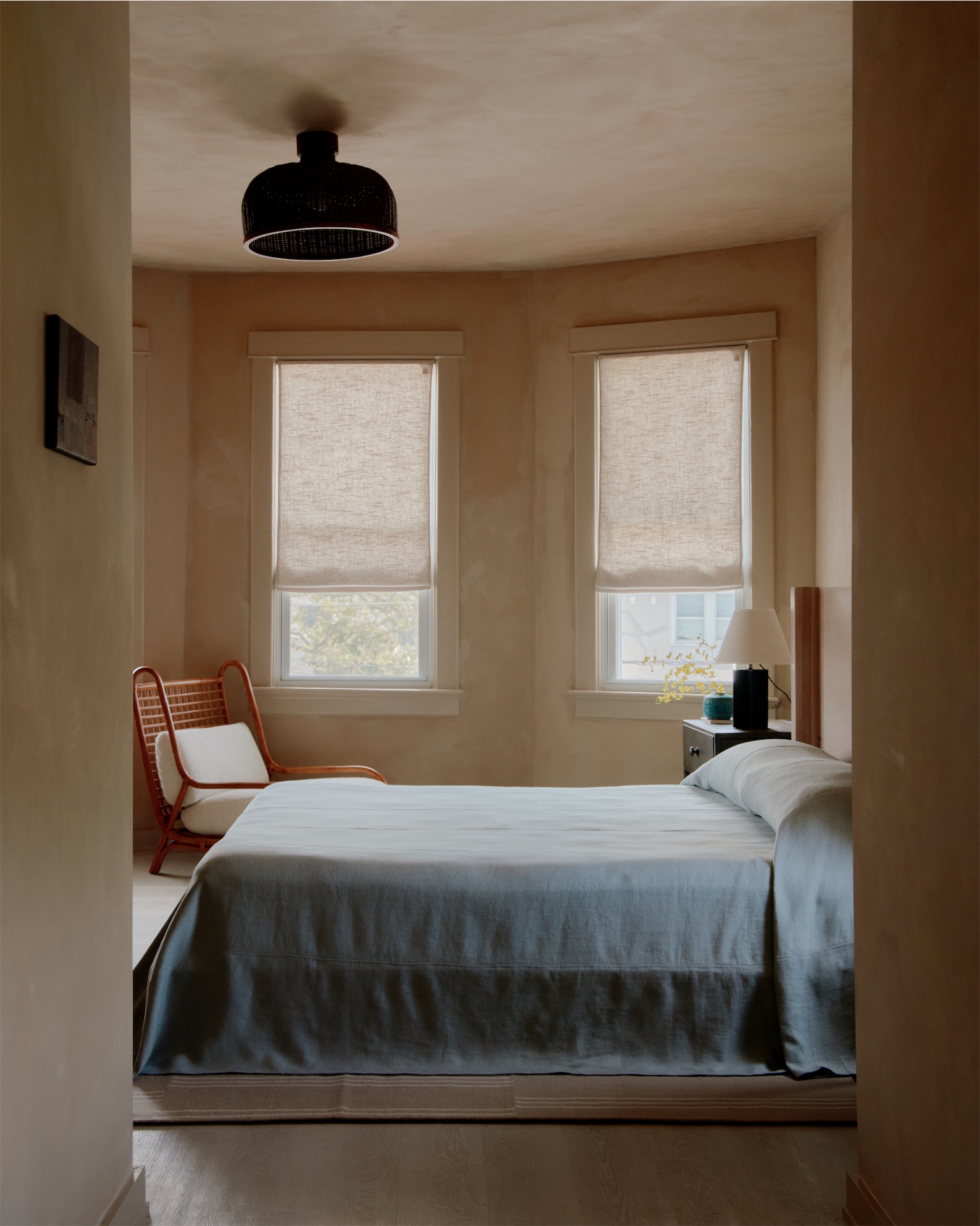
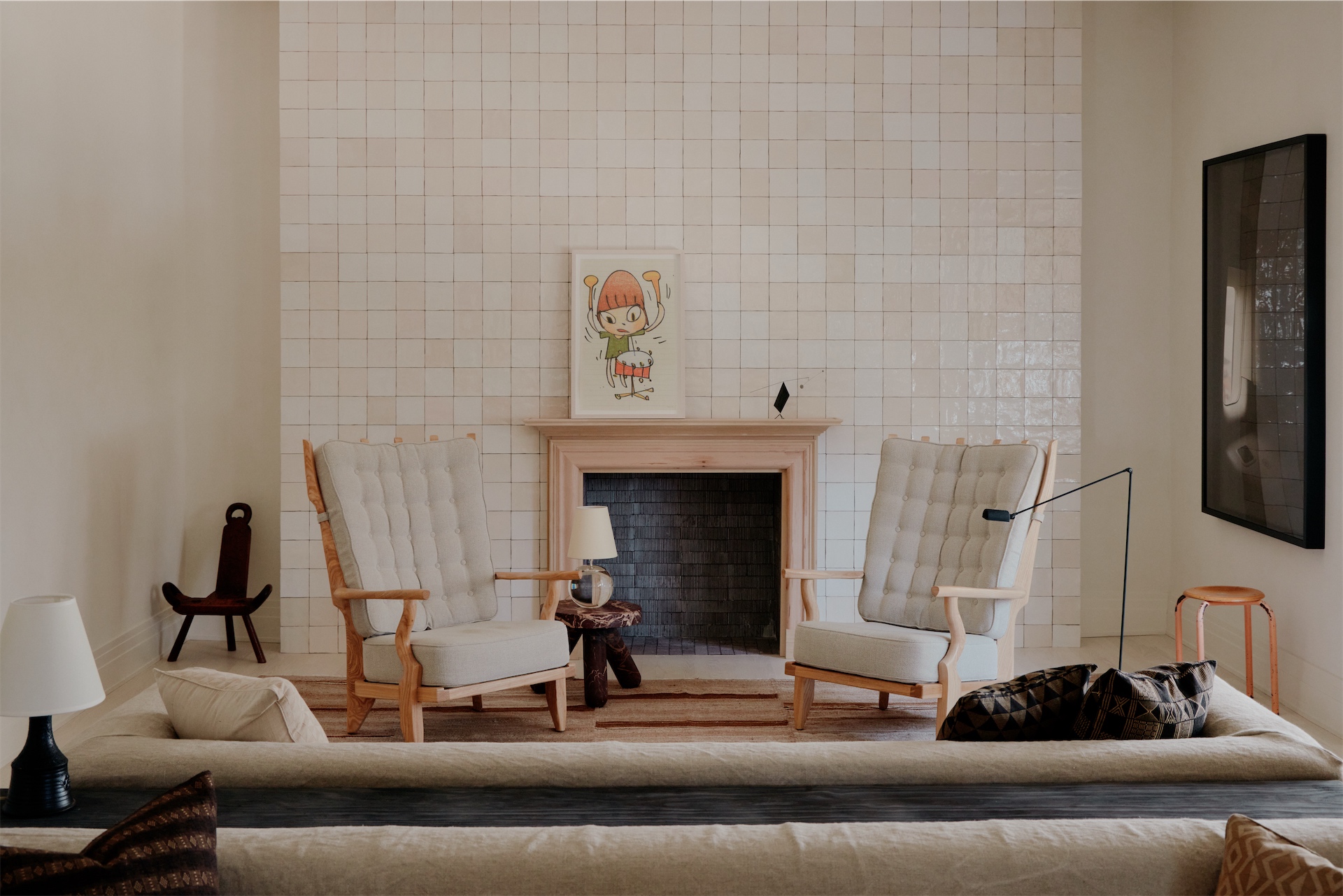
“Design, to me, is about storytelling, editing until only what matters remains,” he says. “The James Bradley was built with a sense of restraint: clean lines, honest materials, and texture in place of ornament. It is meant to feel considered, not curated.”
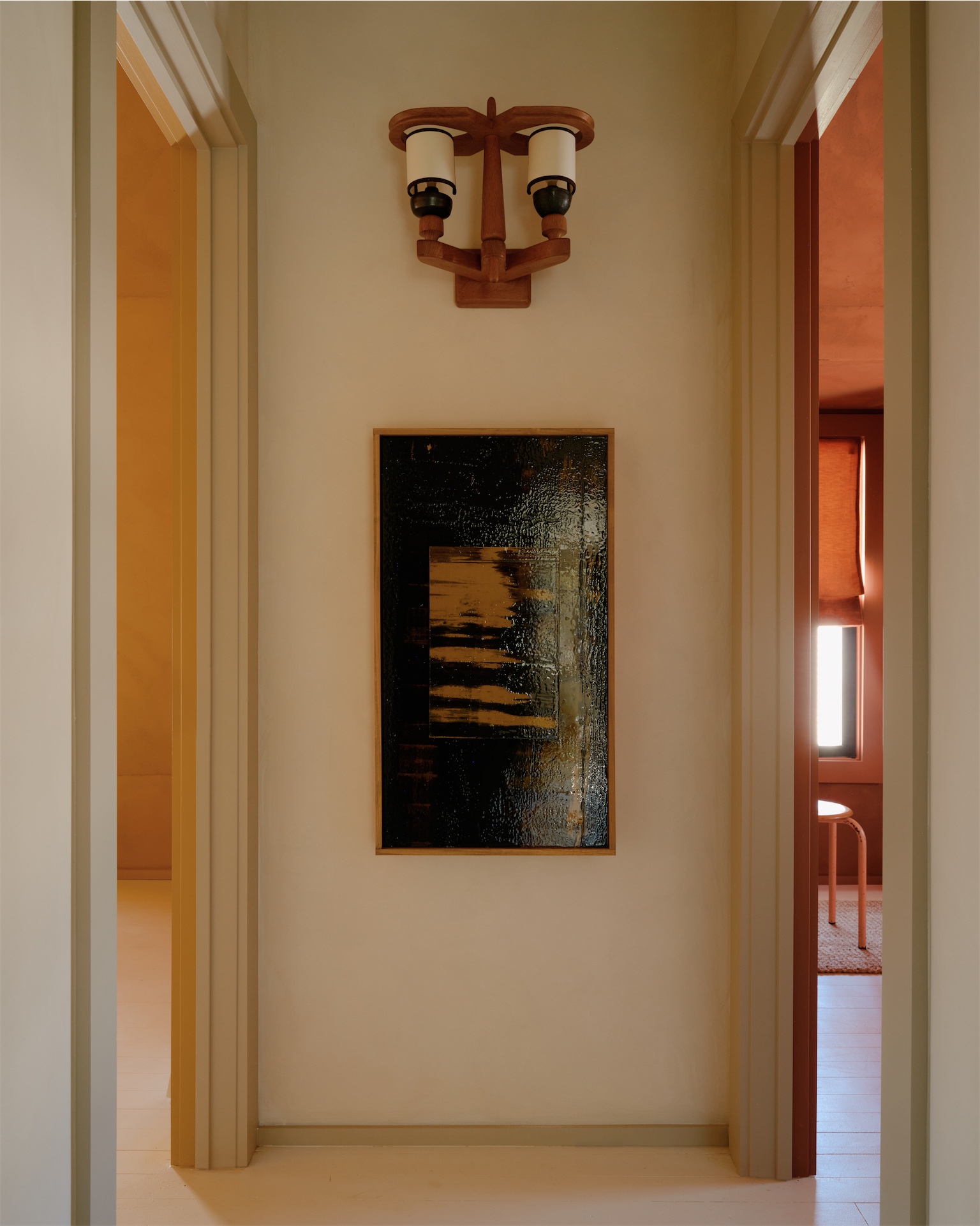
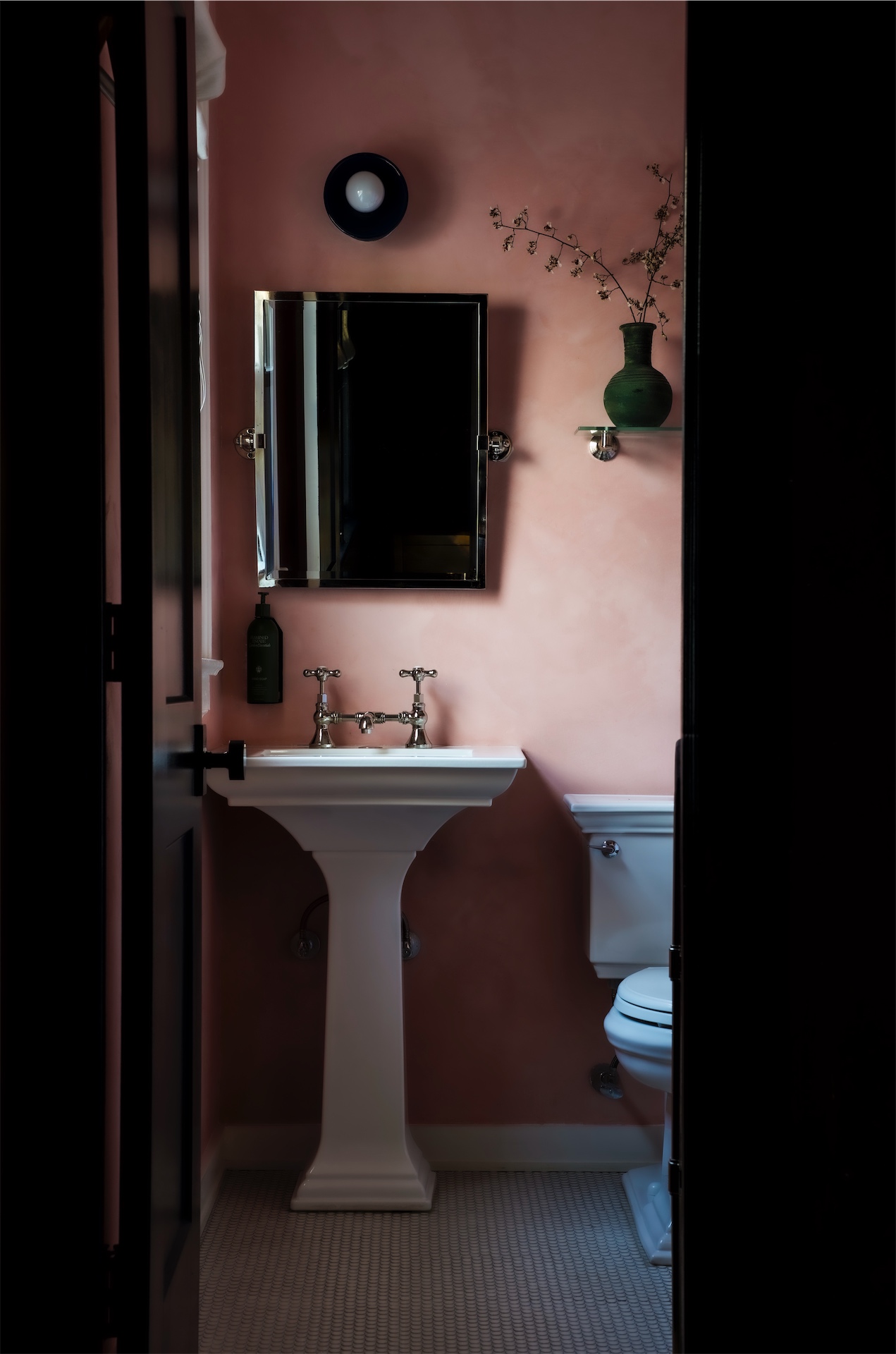
Inside the sixteen-key main house and the three-bedroom standalone bungalow, the language is consistent: original clawfoot tubs or rain showers, Parachute linens, Flamingo Estate bath products, lighting tuned to soften the architecture rather than dominate it. The wraparound covered porch, the secluded courtyard, the fire pit, and the lounge are the shared spaces, with daily turndown service handled quietly enough that it never announces itself.
DiStefano extends the same logic to how the hotel hosts.
“That same approach applies to how we host,” he says. “The best hospitality is intuitive and understated, it anticipates rather than performs. I have always believed the smallest gestures have the greatest impact: the way light hits a wall, how a linen falls, how a guest feels seen without being managed. That is where luxury lives.”
“Bradley Beach is not trying to be anything it is not, and that is exactly its appeal.”
— George DiStefano, Owner and Creative Director of The James Bradley
THREE BUSINESSES IN ONE HOUSE: GEORGEVINCENT AND LUCAS WILLING STUDIOS
Look around a room at The James Bradley and a number of the lamps, the side tables, and the smaller objects on top of them come from DiStefano’s own design studio, GeorgeVincent. The studio is in many ways an outgrowth of the hotel itself.
“A lot of the pieces inside the hotel, lighting, furniture, objects, come from my design studio, GeorgeVincent,” he says. “It began as a way to source and reimagine vintage pieces, and it naturally evolved into creating custom lamps and furniture for the property. Many of those same elements have since found their way into guests’ homes.”
A second studio grew out of the same project.
“Out of that process, Lucas Willing Studios was born,” DiStefano says, “a decorative finishing studio that my partner Lucas and I started together, initially through our work on the hotel. What began as a collaborative learning process out of necessity became a full-fledged creative partnership, extending beyond The James Bradley into other projects throughout the United States, focusing primarily in the Tri-State Area and Palm Beach County.”
The three practices are not separate, in his telling. They are the same idea, applied at different scales.
WHAT THE JAMES BRADLEY ASKS A GUEST TO DO
The James Bradley is built for the kind of stay where the day arranges itself. Mornings on the wraparound porch with coffee. A short walk to the beach. Afternoons between the ocean and the courtyard. Evenings in Asbury Park, where Pascal & Sabine, Barrio Costero, and the Parlor Gallery sit within a five-minute drive.
DiStefano talks about the feeling he hopes a guest leaves with in the same plain terms he uses for the design.
“I hope they leave with a sense of ease,” he says. “That feeling you get when something just works. The hotel is not about trend or statement. It is about longevity, tone, and touch.”
Ask him what comes next, and the answer is not about expansion. It is about depth.
“Everything I do, whether it is hospitality, furniture, or design, comes back to the same idea,” DiStefano says. “Create things that feel authentic, that age well, and that make people feel at home in a way they did not expect. That is the kind of experience I want The James Bradley to offer, one that lingers long after check-out.”
“As for the future,” he says, “my focus remains on deepening that sense of place. Continuing to evolve thoughtfully, nurturing our team, and finding new ways to make every guest’s experience feel personal, memorable, and real.”
“The smallest gestures have the greatest impact: the way light hits a wall, how a linen falls, how a guest feels seen without being managed. That is where luxury lives.”
— George DiStefano, Owner and Creative Director of The James Bradley
(1) Where is The James Bradley located?
The James Bradley sits one block from the Atlantic Ocean in Bradley Beach, New Jersey, within walking distance of the town’s main street and roughly five minutes by car from Asbury Park.
(2) How do I get to The James Bradley from New York or Philadelphia?
The hotel is around one hour and fifteen minutes by car from both Manhattan and Philadelphia. NJ Transit trains run from New York Penn Station to Bradley Beach station, with a short walk or taxi to the property. Newark Liberty International Airport (EWR) is the closest major airport, roughly sixty to seventy-five minutes by car.
(3) How many rooms does The James Bradley have?
The James Bradley has seventeen rooms in total: sixteen in the main 121-year-old coastal house, and one standalone three-bedroom bungalow on the property.
(4) Who designed The James Bradley?
The interiors were curated by Manhattan-based designer Sebastian Zuckowicki under the creative direction of owner George DiStefano. Many of the lamps, furniture, and objects in the rooms come from DiStefano’s own design studio, GeorgeVincent, and decorative finishing work on the property is by Lucas Willing Studios, the studio he founded with his partner Lucas Willing.
(5) Is The James Bradley family-friendly?
Yes, for older children. The James Bradley welcomes children aged five and above, and the three-bedroom standalone bungalow is well suited to small families and groups.
(6) When is the best time to visit The James Bradley?
Late spring through early autumn offers the classic Jersey Shore experience. Summer brings beach energy and Asbury Park’s cultural calendar at full strength; early fall offers warm water, quieter streets, and softer light.
(7) What is there to do near The James Bradley?
Beach walks, slow mornings on the wraparound porch, and seasonal beach service anchor a stay at the hotel itself. Five minutes away in Asbury Park, the boardwalk, the music venues, the Parlor Gallery, and the restaurants Pascal & Sabine and Barrio Costero make up the most-recommended cluster. New York City and Philadelphia are both within day-trip range.
(8) Does The James Bradley have an on-site restaurant?
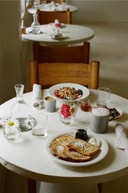
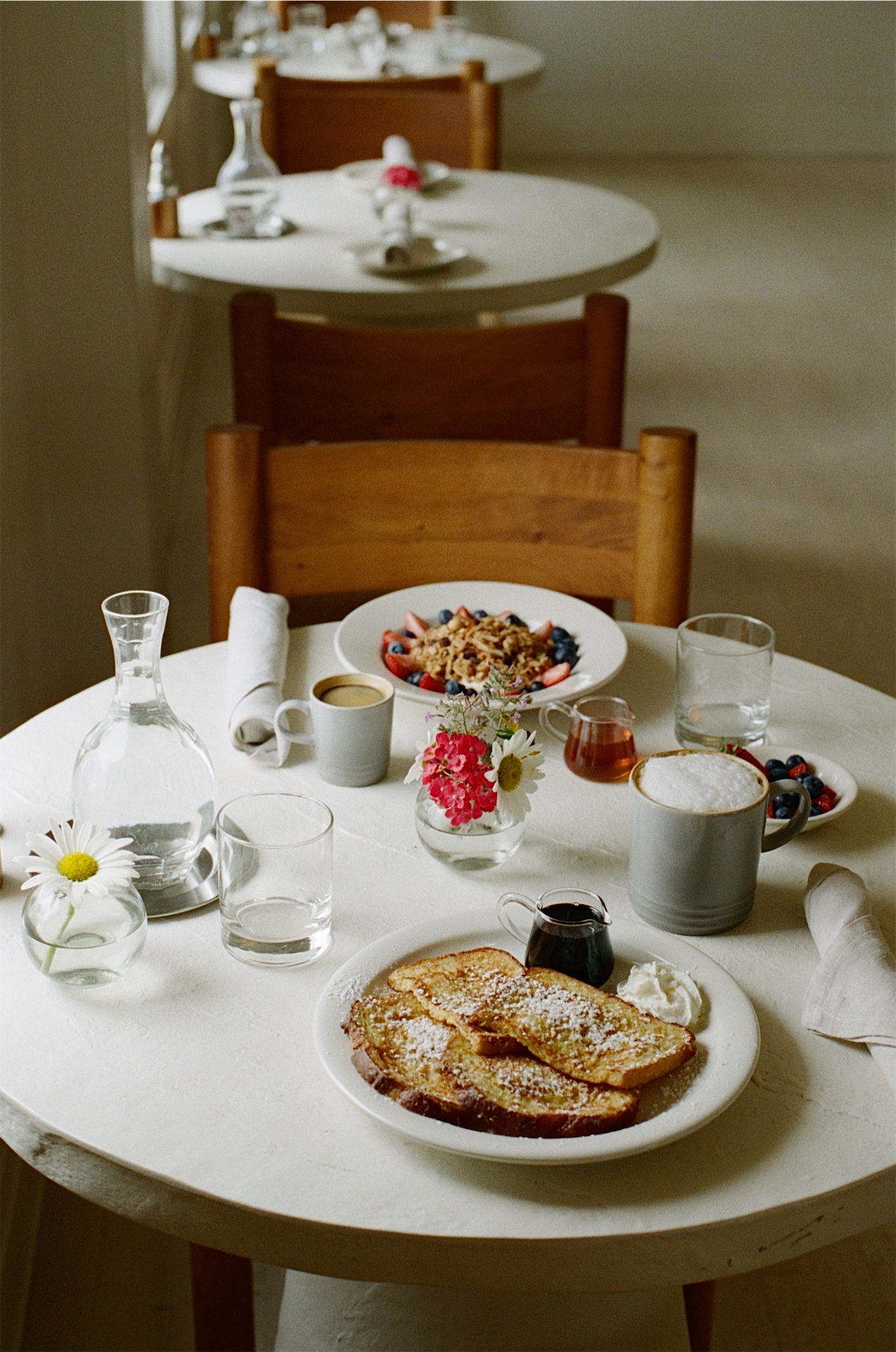
Breakfast is served on the property, with locally inspired flavors including homemade granolas and freshly baked pastries. Lunch and dinner are typically enjoyed in nearby Bradley Beach and Asbury Park, with the hotel team happy to recommend and book on a guest’s behalf.




Subscribe
Enjoy the read?
Get unique stays, hidden gems, and mindful travel tips delivered straight to your inbox—no spam, just wanderlust.