Morukuru Family: A Family-Owned South African Safari Collection Built on Freedom
Apr 27, 2026
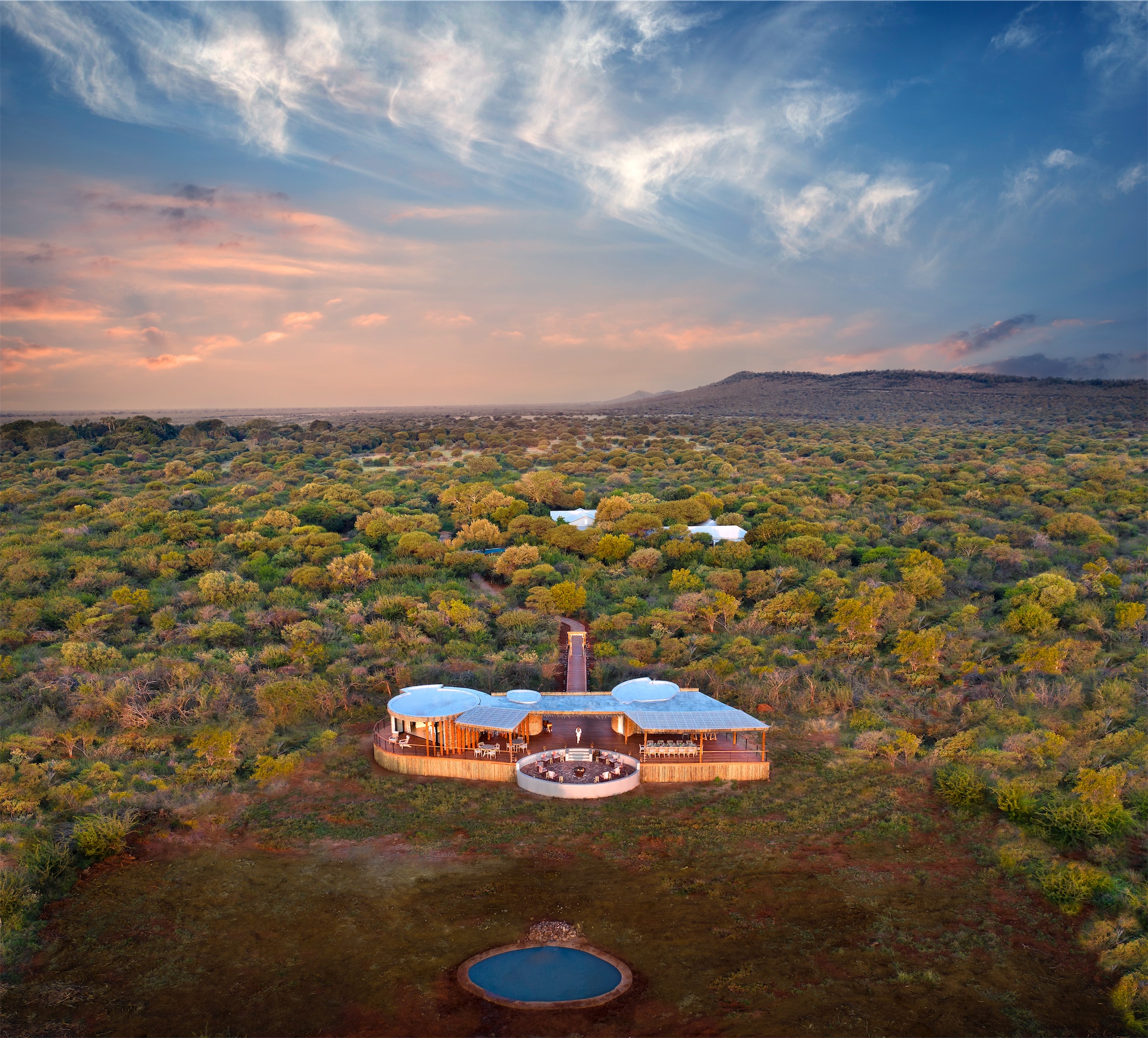
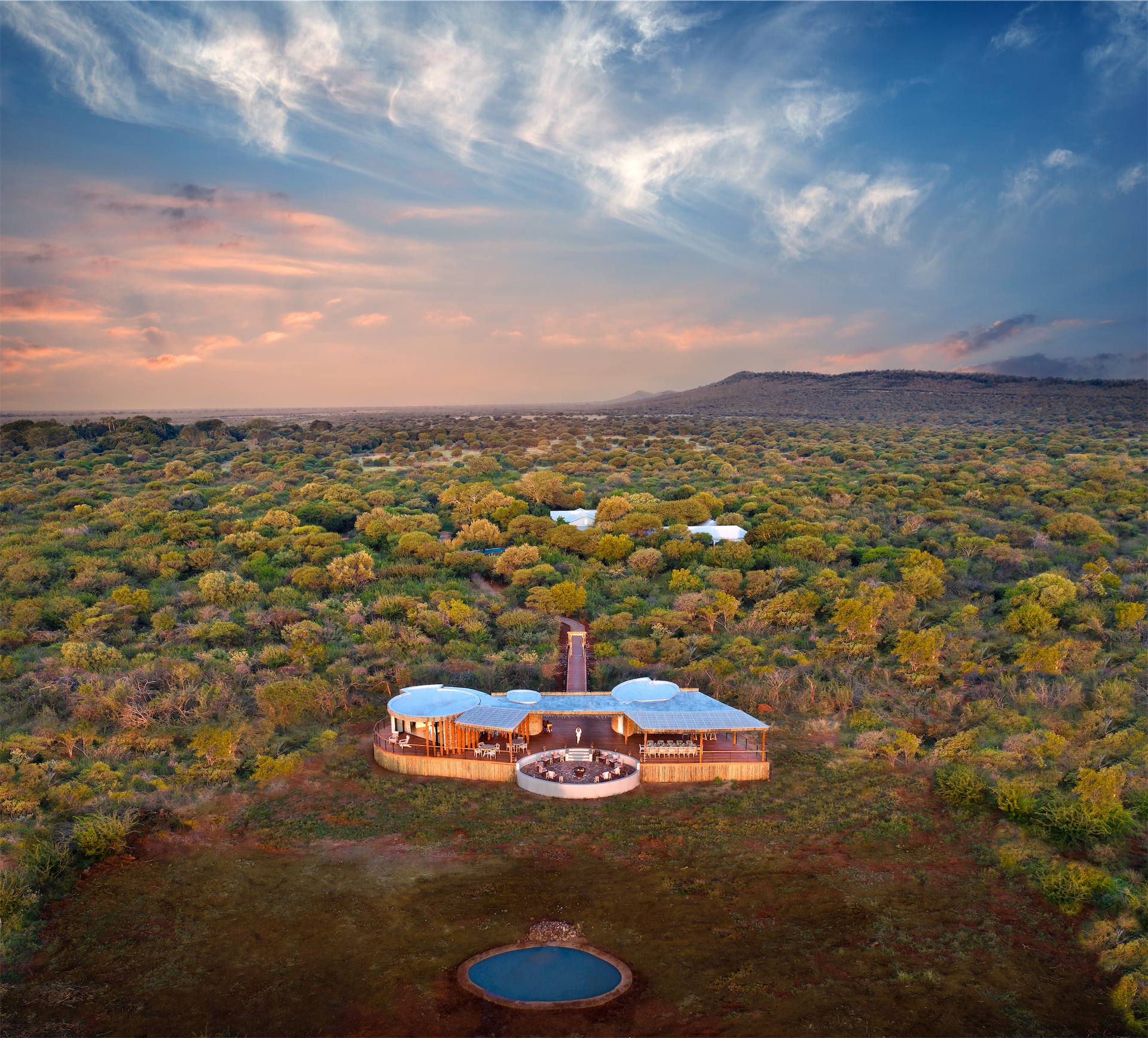
Morukuru Family is not a single place. It is a quietly held idea, expressed across three of South Africa’s most distinct landscapes: the malaria-free wilderness of Madikwe Game Reserve, the Indian Ocean coastline of De Hoop Nature Reserve, and the leafy stillness of Atholl in Sandton, Johannesburg. Six small properties, all family-owned and family-run, form one luxury safari and coastal collection, tied together by something increasingly rare in modern hospitality: the freedom for guests to shape every stay entirely on their own terms.
Morukuru Family is not a single place. It is a quietly held idea, expressed across three of South Africa’s most distinct landscapes: the malaria-free wilderness of Madikwe Game Reserve, the Indian Ocean coastline of De Hoop Nature Reserve, and the leafy stillness of Atholl in Sandton, Johannesburg. Six small properties, all family-owned and family-run, form one luxury safari and coastal collection, tied together by something increasingly rare in modern hospitality: the freedom for guests to shape every stay entirely on their own terms.
FROM A RENTAL CAR TO MORUKURU: THE ORIGIN OF A SAFARI COLLECTION
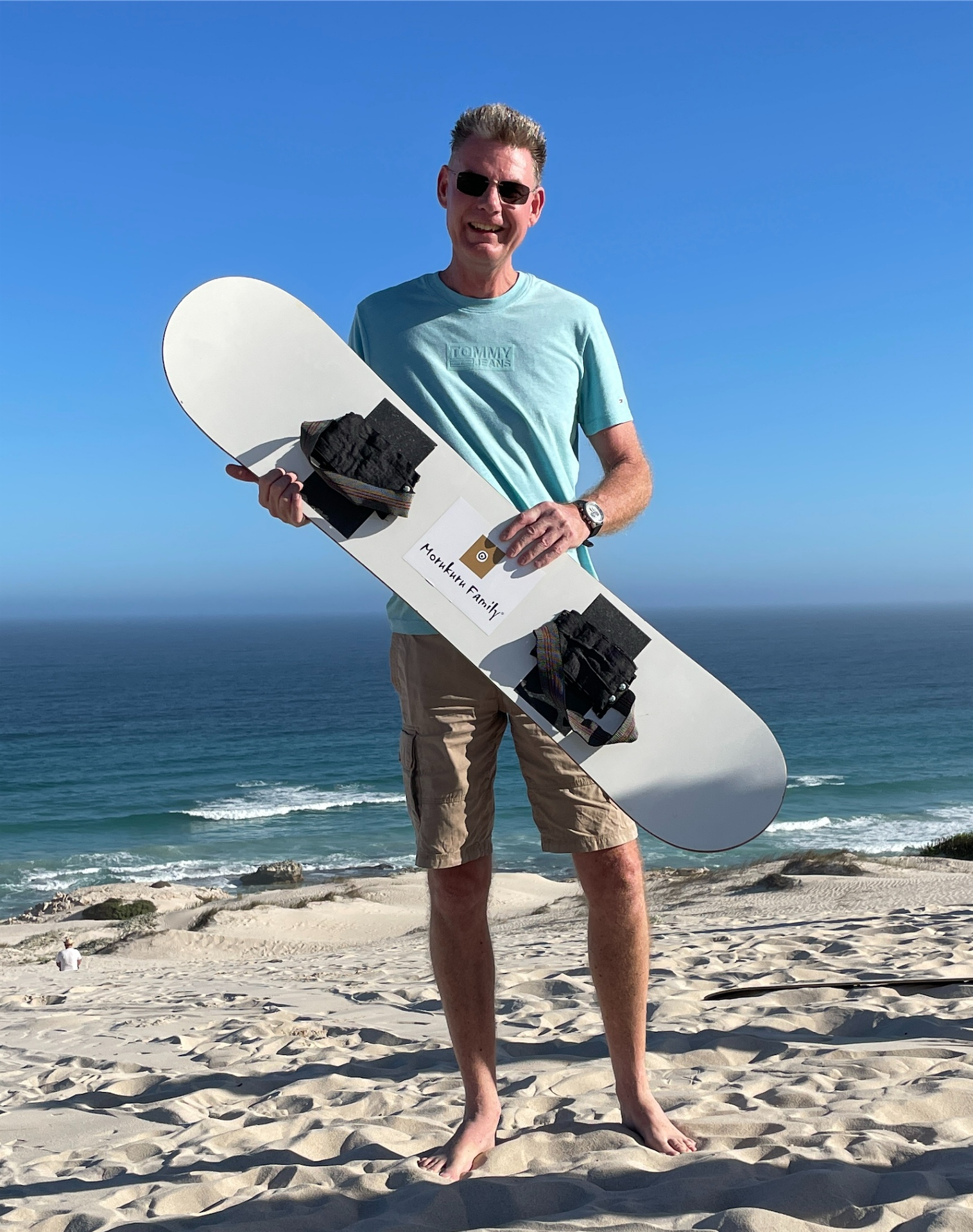
For Rinse Wassenaar, Marketing Manager of Morukuru Family, the path to the brand began long before he joined it. “My love for Africa started in 1991, when I traveled all over Southern Africa for three months, in a VW Golf rental car,” he recalls. That early journey set the trajectory. After returning to the Netherlands, he spent years selling safaris with some of the country’s leading specialist tour operators, first as a consultant and later as a Product Manager.
The decisive moment came in 2007, on a stay at Morukuru River House with friends. “Despite having been to quite a few of the most iconic lodges all over Africa,” he says, “I was completely blown away by the exclusive-use concept that Morukuru Family offered.” When the opportunity arose in 2013 to join the company and lead its sales and marketing worldwide, “I did not think twice.”
That personal arc, from traveler to advocate, still shapes how Rinse describes the brand. Morukuru is a hospitality company, but the longer you listen, the more it sounds like a family story being carefully tended.
A FAMILY-OWNED SAFARI BRAND IN SOUTH AFRICA
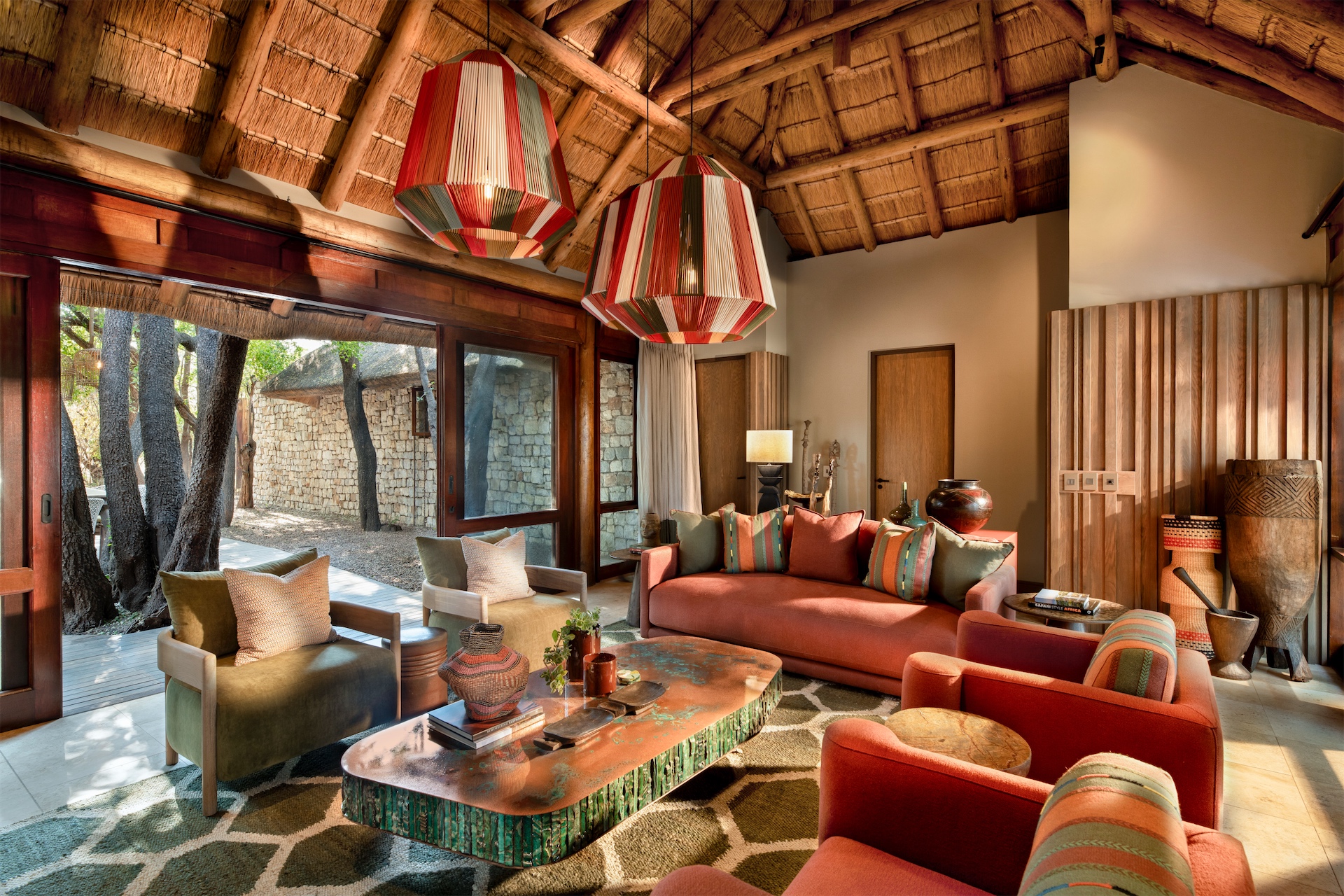
The story began in 2005, when Ed and Anka Zeeman opened two exclusive-use safari houses on the banks of the Marico River in Madikwe Game Reserve. The first of them, now known as Morukuru Owner’s House, was originally the Zeemans’ private vacation home. Even the brand’s name carries a story: in the local Tswana language, morukuru means “Tamboti tree,” named for the large trees the original construction team chose to build around rather than remove. That detail, of building around what is already there, is more than charming origin lore. It is, in many ways, the design principle of the entire company.
“Morukuru Family is all about family and conservation and sustainability,” Rinse says. “We are family owned, and as a team we all feel part of an extended family. Some of our team members have been with the company from the very beginning in 2005.”
That continuity is not accidental. It is the result of an ownership philosophy that values long relationships over rapid scale. Twenty years on, Morukuru still operates only six small properties across three locations. Children of all ages are welcomed throughout the portfolio, including on game drives, something the exclusive-use model uniquely allows. The owners’ commitment to conservation is channeled through the Morukuru Goodwill Foundation, and guests are gently invited to take part in that work as well.
THE MORUKURU FREEDOM CONCEPT, EXPLAINED
If one idea defines Morukuru Family, it is the Freedom Concept: the principle that a stay should be shaped entirely by the guest, not by the lodge.
“Our guests have complete freedom to tailor-make their stay, without fixed schedules,” Rinse explains. “That flexibility is at the heart of the Morukuru experience.”
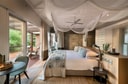
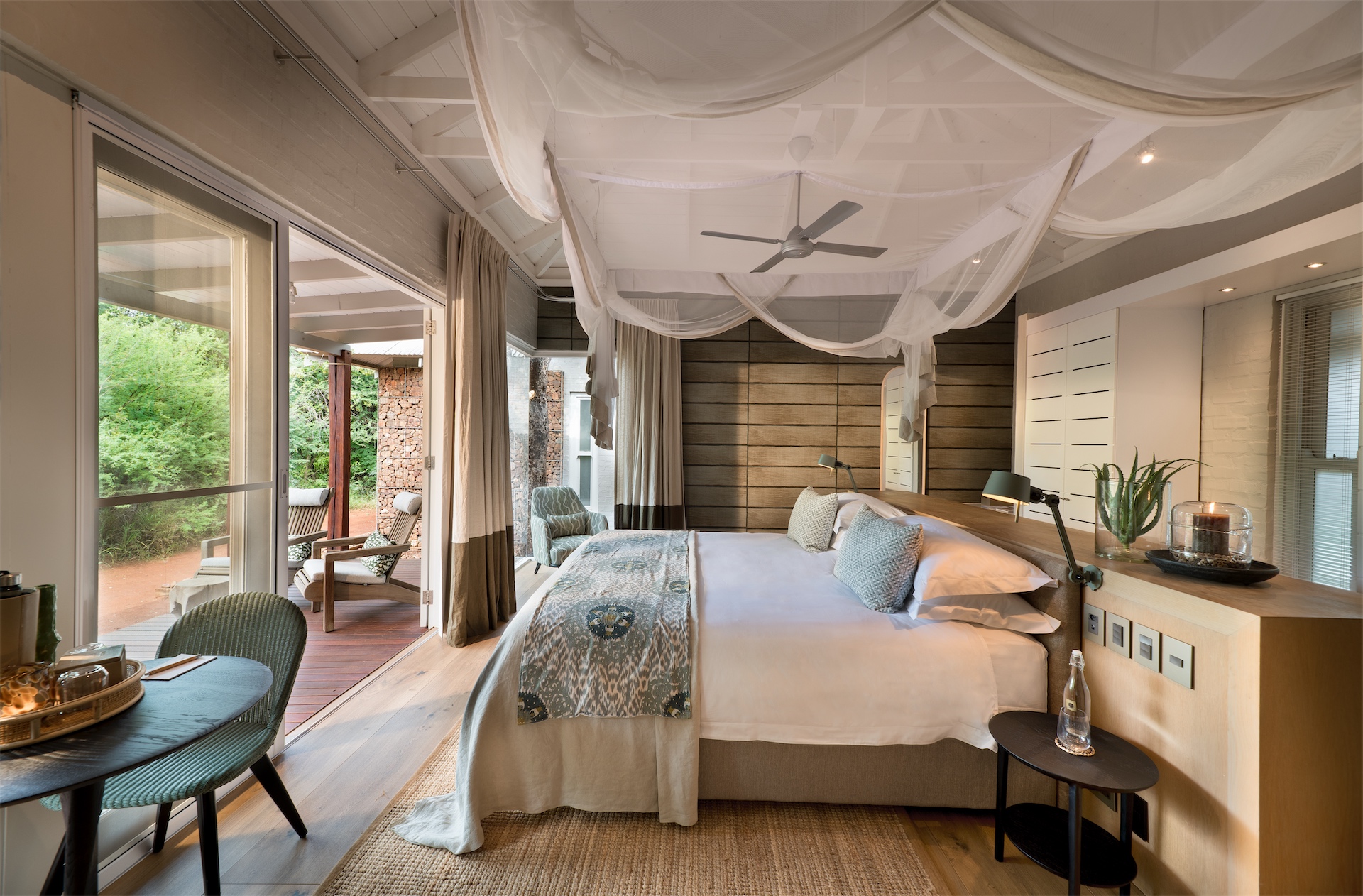
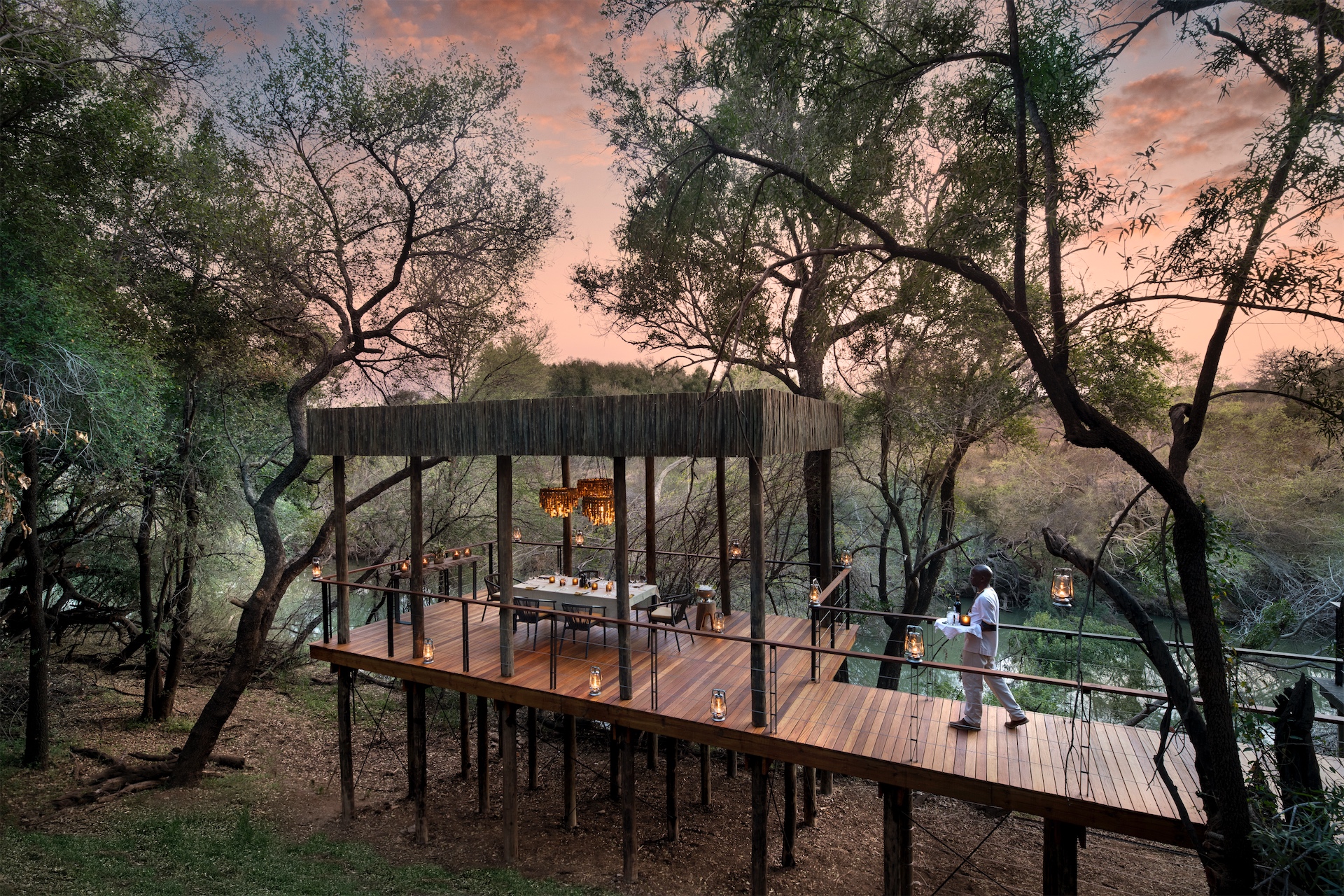
In practice, this means that at the exclusive-use houses there are no shared vehicles, no set dining times and no choreographed days. A private guide, tracker, chef, host, butler and housekeeping team work entirely around one party. Game drives depart when guests want them to. Meals appear where and when they make sense: beneath open skies, around a candlelit boma, on a terrace above a river. A bush breakfast can stretch as long as anyone wants. A sleep-out under the stars can be arranged on a whim.
“There are no set schedules at Morukuru Family in Madikwe,” Rinse adds. “You are the masters of your stay with us and have complete freedom to do as you wish, when you wish.”
It is the idea that runs through every property in the family: that hospitality is at its best when it disappears into the day rather than dictating it.
“Our guests have complete freedom to tailor-make their stay, without fixed schedules. That flexibility is at the heart of the Morukuru experience.”
— Rinse Wassenaar, Sales & Marketing Director of Morukuru Family
THREE SOUTH AFRICAN LANDSCAPES, ONE HOSPITALITY PHILOSOPHY
What makes Morukuru Family unusual is how the same philosophy expresses itself across three very different settings.
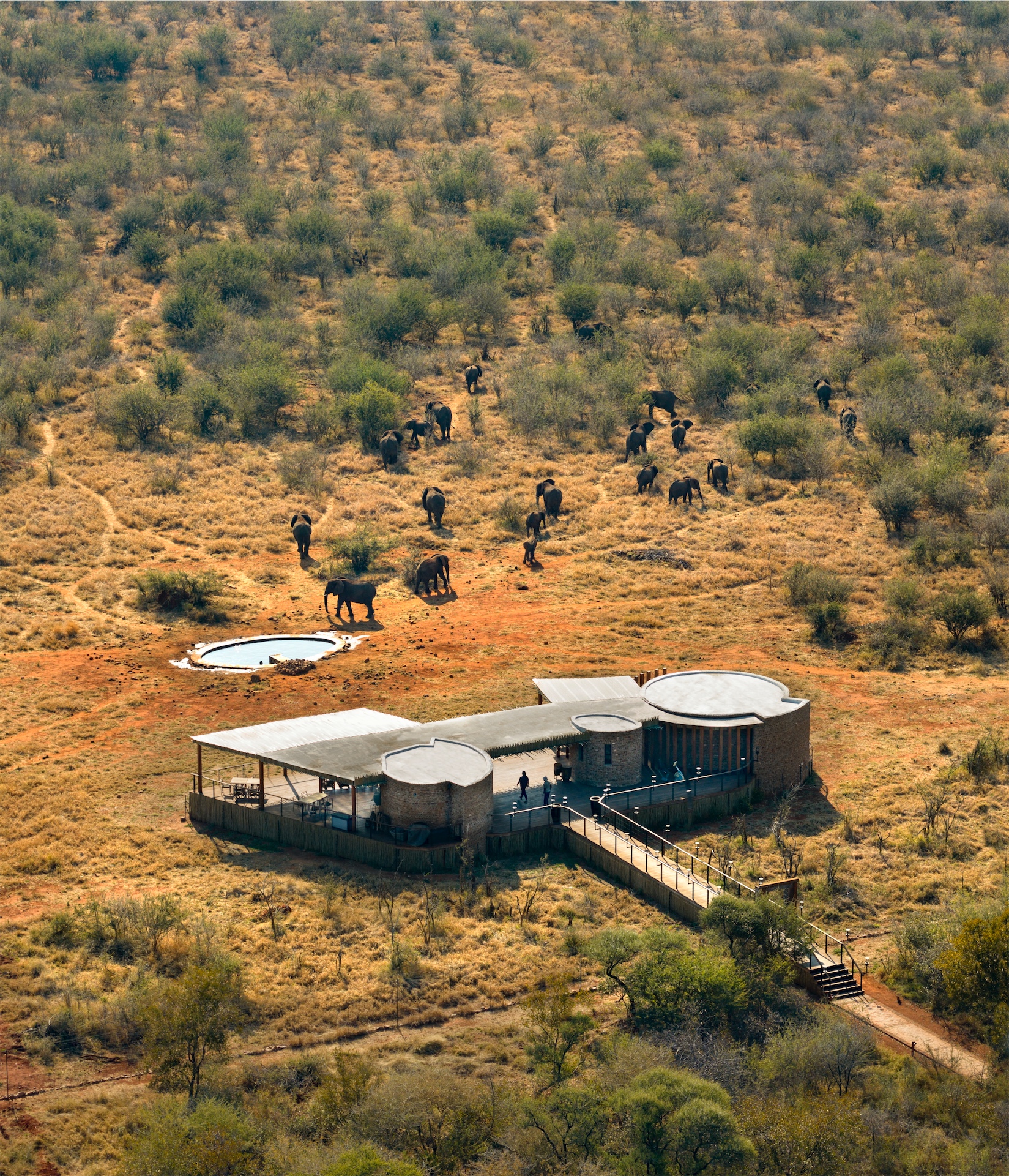
In Madikwe Game Reserve, the focus is wildlife, wilderness and the slow rhythm of the bush. Three exclusive-use houses sit within a private concession overlooking the Marico River. Morukuru Owner’s House, with two bedrooms, is the most intimate, designed for couples or small families. Morukuru River House, just a few hundred meters away, accommodates up to six adults and four children, and the two homes can be combined for larger gatherings. Fifteen minutes’ drive away, Morukuru Farm House, built in 2010 on the site of a small old farmhouse, opens its five bedrooms to multi-generational families and groups of friends.
In Sandton, Johannesburg, AtholPlace Hotel & Villa reframes the same idea for an urban setting. The nine-room boutique hotel works equally well for couples, small families and corporate travelers, and pairs naturally with the four-bedroom AtholPlace Villa next door, ideal for families and groups of friends traveling together. It is, as Rinse puts it, the natural base from which to explore Johannesburg or continue on to Madikwe.
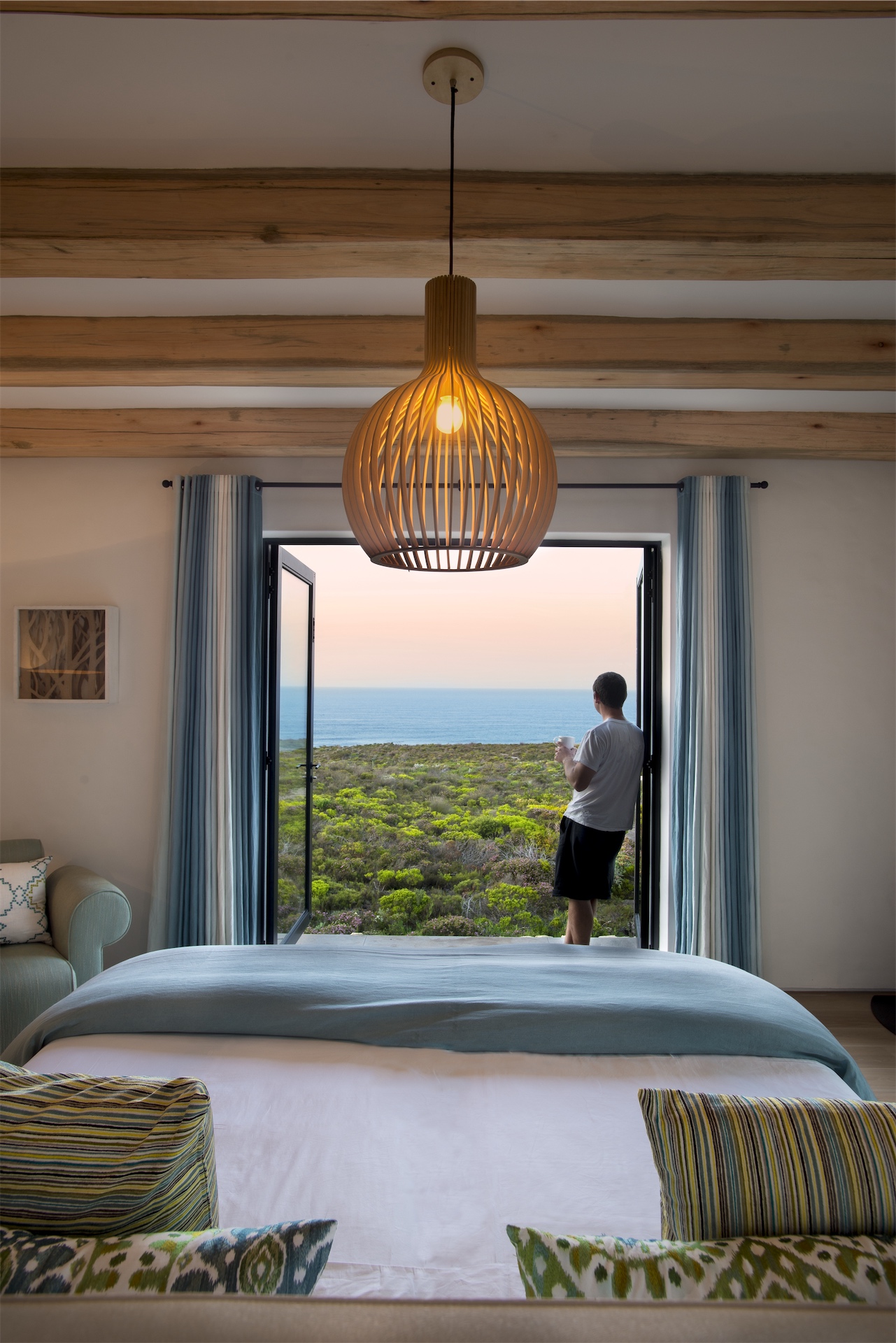
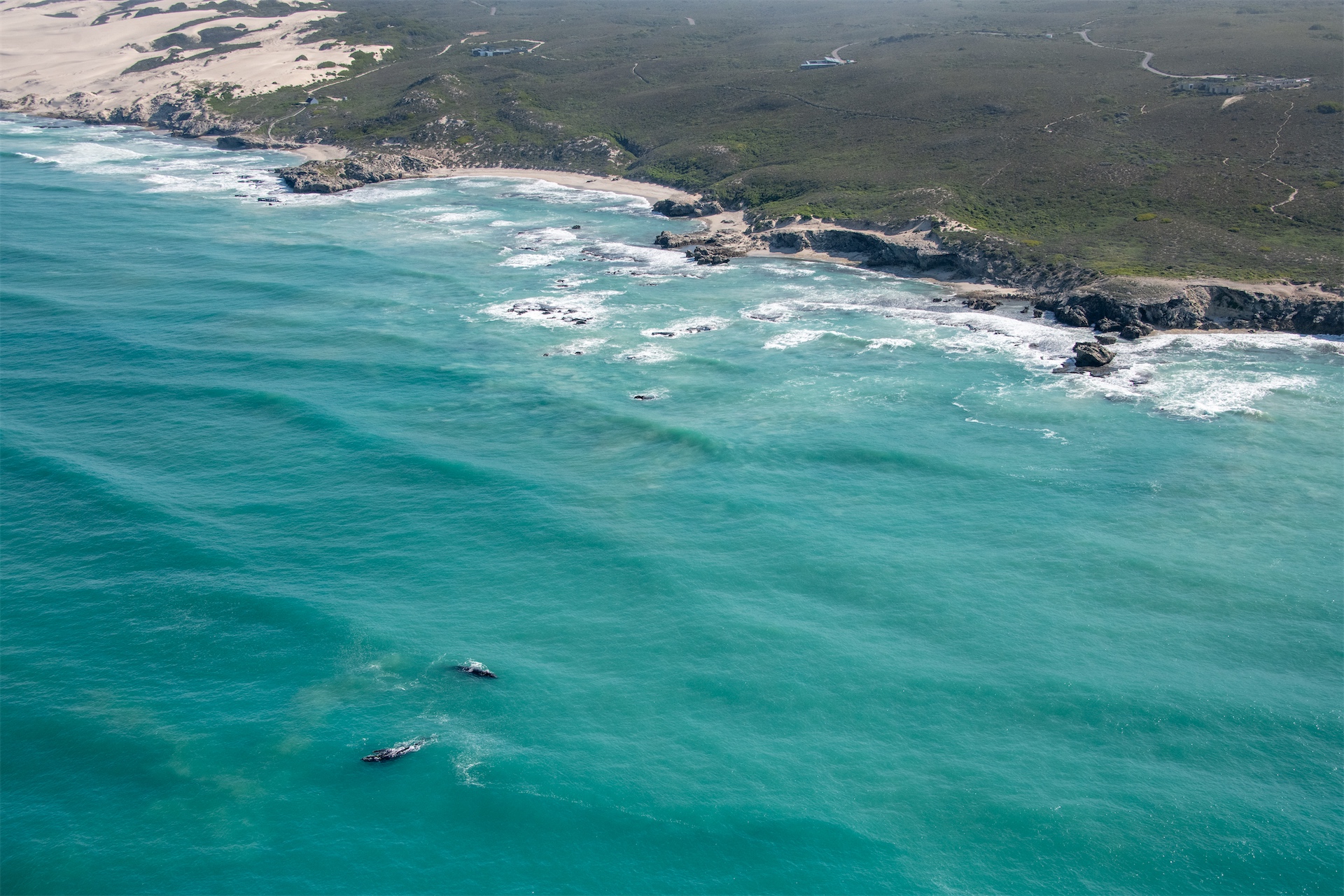
In De Hoop Nature Reserve, three hours from Cape Town, the experience shifts toward the Indian Ocean. Morukuru Beach Lodge, a five-suite eco-lodge, sits surrounded by indigenous fynbos with one of Africa’s finest land-based whale watching seasons unfolding offshore between July and the end of October. Just a kilometer to the east, Morukuru Ocean House offers the same coastline as a private five-bedroom villa.
What ties the six properties together is more than ownership. “When combining these properties in an itinerary, the personal preferences, likes and dislikes of guests are shared with the sister properties,” Rinse explains. “It offers a high level of personalized service throughout the entire journey.” A Morukuru guest moving from Johannesburg to Madikwe to De Hoop is, in effect, traveling within a single household.
WHAT GUESTS REMEMBER ABOUT MORUKURU FAMILY
Ask Rinse what guests take home, and he answers without hesitation. “I would say it is our staff. Hands down.”
The architecture, the food, the wildlife: all of it is admired. But the deepest impression is left by the people. “Our guests love the hardware,” he says, “but they are mostly impressed by the high levels of personalized service and attention from our staff.” In Madikwe, where stays are longest at an average of four nights, “most guests are in tears when they have to leave.” Repeat visitors regularly request the same guide, the same chef, the same butler.
It is a quiet kind of luxury, the luxury of being known. Less choreography. Fewer scripts. A team that has been with the brand long enough to remember not just names, but preferences, stories, the small details that turn a holiday into a relationship.
Rinse traces the standard back to Morukuru’s membership of Relais & Châteaux, an association whose hotels and restaurants share a commitment to personalized service and outstanding cuisine. “In South Africa we offer our own take on this,” he says, “bringing in the genuine warm South African hospitality, as well as fusing more traditional cuisine with local ingredients and dishes.”
SUSTAINABILITY AND THE FUTURE OF MORUKURU FAMILY
Two decades in, Morukuru Family’s growth has been deliberate. Beginning with two safari houses in 2005, the company has expanded to six small properties across three locations, balancing exclusive-use houses with the more traditional hotel and lodge formats at AtholPlace and Morukuru Beach Lodge. Maintaining the same level of personalized service across that range is an ongoing challenge, Rinse acknowledges, particularly given the very different climates of bushveld and coast.
The vision ahead is one of refinement rather than expansion. “We look forward to continuing the journey of sustainability,” Rinse says, “improving where we can and further reducing carbon and waste footprint over the years, as well as reducing water consumption.” Morukuru properties already operate off-grid where possible, powered by solar and built into rather than onto their landscapes. “We will also continue to focus on exclusive-use, family-friendly hospitality, offering guests total freedom to tailor-make their stay.”
The goal, he says, is to keep delivering “the Morukuru Magic, wowing our guests and exceeding expectations” at the existing properties, in the existing locations. There is no pressure to grow louder. The work, twenty years in, is to keep deepening what is already there.
In a hospitality landscape often defined by spectacle, Morukuru Family makes a quieter case: that a stay is most luxurious not when it is most produced, but when it is most yours.
“You are the masters of your stay with us and have complete freedom to do as you wish, when you wish.”
— Rinse Wassenaar, Sales & Marketing Director of Morukuru Family



(1) Where is Morukuru Family located?
Morukuru Family operates six small properties across three locations in South Africa: Madikwe Game Reserve in the North West Province, De Hoop Nature Reserve on the Western Cape coast, and the Atholl suburb of Sandton, Johannesburg.
(2) What is the Morukuru Freedom Concept?
The Morukuru Freedom Concept is the brand’s signature philosophy at its exclusive-use safari houses. There are no fixed schedules, no shared vehicles, and no set dining times. A private guide, tracker, chef, host, butler and housekeeping team shape every day around the guest’s preferences.
(3) When is whale watching season at De Hoop Nature Reserve?
Southern right whales arrive offshore at De Hoop between July and the end of October each year, making Morukuru Beach Lodge and Morukuru Ocean House two of the finest land-based whale watching addresses in Africa.
(4) Is Madikwe Game Reserve malaria-free?
Yes. Madikwe Game Reserve is one of South Africa’s largest malaria-free Big Five reserves, which makes it well suited to families traveling with children of all ages.
(5) Are children welcome at Morukuru Family?
Children of all ages are welcome at every Morukuru property, including on private game drives at the exclusive-use safari houses, where the absence of shared vehicles allows families to travel together.
(6) How many properties does Morukuru Family operate?
Six, across three South African destinations. Madikwe Game Reserve houses Morukuru Owner’s House, Morukuru River House and Morukuru Farm House. De Hoop Nature Reserve is home to Morukuru Beach Lodge and Morukuru Ocean House. Sandton, Johannesburg, hosts AtholPlace Hotel & Villa.

Plan Your Stay

Subscribe
Enjoy the read?
Get unique stays, hidden gems, and mindful travel tips delivered straight to your inbox—no spam, just wanderlust.