Ecole St. Pierre Hotel: A Gaspare Fossati-Designed French School in Galata, Reborn as a 17-Room Boutique Hotel
Jun 16, 2026
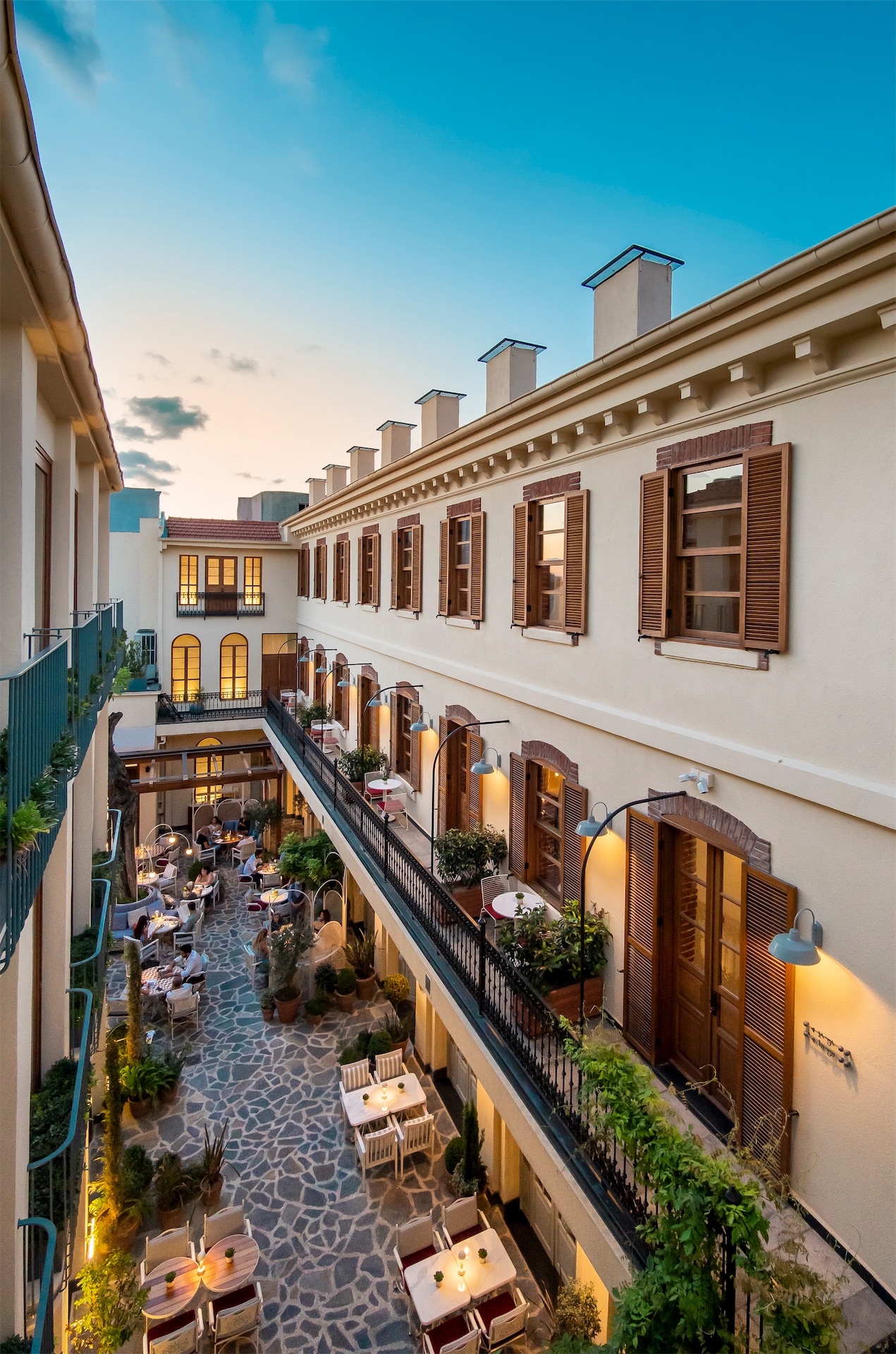

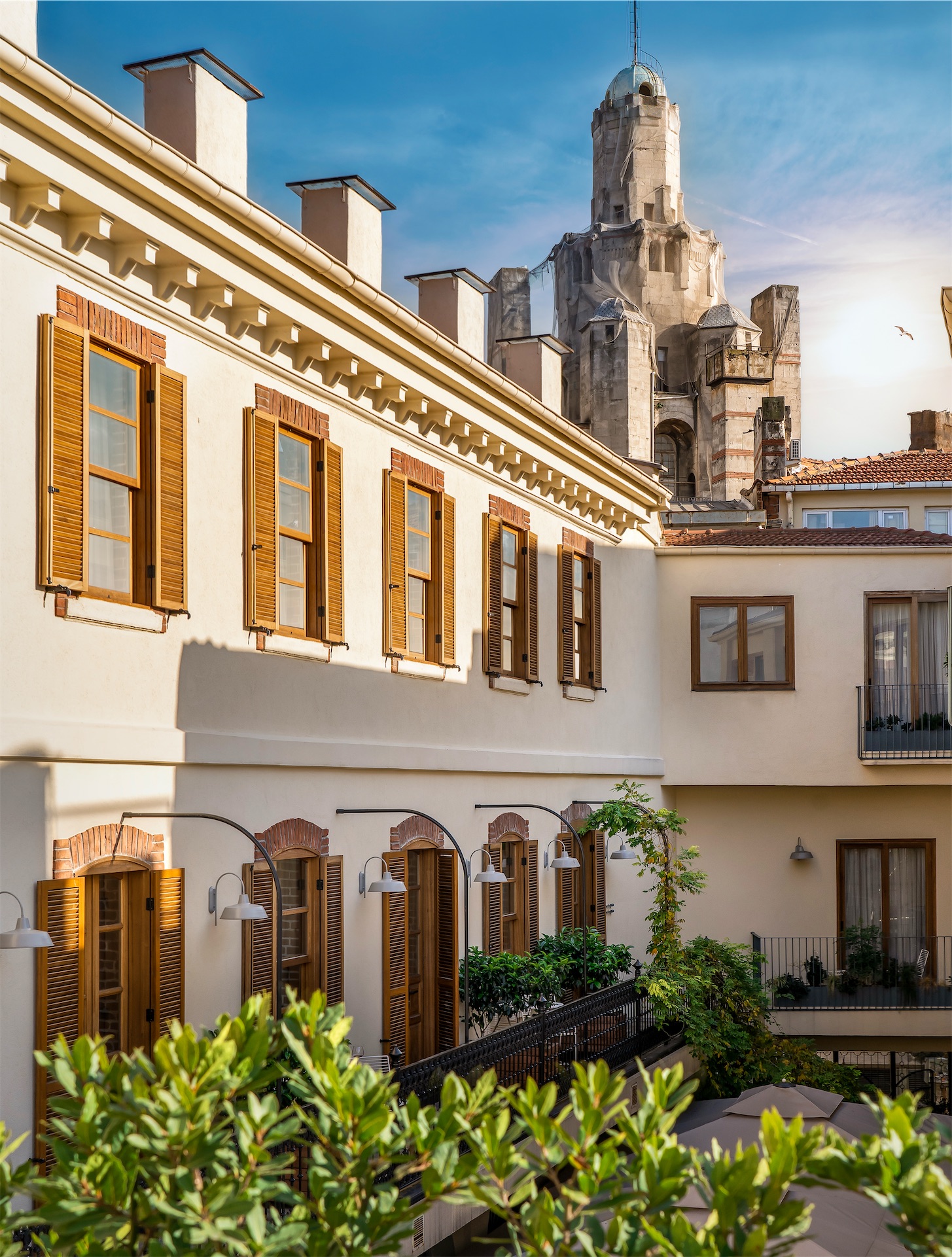
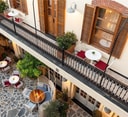
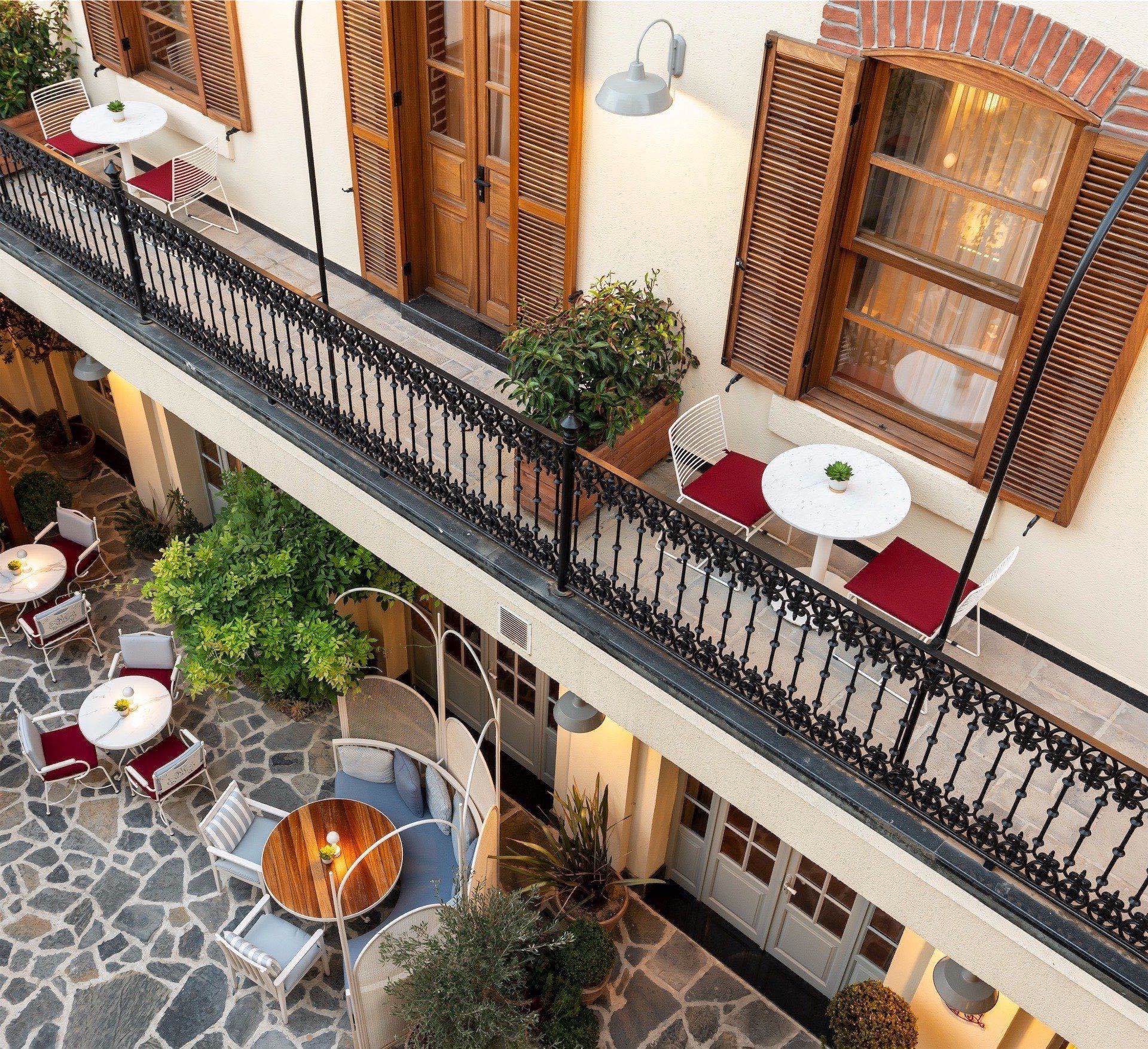
Three layers of Istanbul’s history meet inside a single building a hundred meters from the foot of the Galata Tower. A section of 13th-century Genoese defensive wall, built between 1304 and 1317, still rises through the courtyard. A 19th-century French Catholic school, opened in 1842 as the Collège des Frères St. Pierre and designed by Gaspare Trajano Fossati, the Italian-Swiss architect who would later restore Hagia Sophia, surrounds it. And a 17-room boutique hotel reborn in the same building today occupies all three. Ecole St. Pierre Hotel is built around the courtyard, with every one of its seventeen rooms overlooking it. Breakfast, lunch, and evening drinks unfold at IL CORTILE Ristorante Pizzeria, the in-house Italian restaurant whose dining room and outdoor tables sit directly against the surviving section of Genoese wall. The team operates at the scale of a private guesthouse, with anticipatory rather than scripted service.
Three layers of Istanbul’s history meet inside a single building a hundred meters from the foot of the Galata Tower. A section of 13th-century Genoese defensive wall, built between 1304 and 1317, still rises through the courtyard. A 19th-century French Catholic school, opened in 1842 as the Collège des Frères St. Pierre and designed by Gaspare Trajano Fossati, the Italian-Swiss architect who would later restore Hagia Sophia, surrounds it. And a 17-room boutique hotel reborn in the same building today occupies all three. Ecole St. Pierre Hotel is built around the courtyard, with every one of its seventeen rooms overlooking it. Breakfast, lunch, and evening drinks unfold at IL CORTILE Ristorante Pizzeria, the in-house Italian restaurant whose dining room and outdoor tables sit directly against the surviving section of Genoese wall. The team operates at the scale of a private guesthouse, with anticipatory rather than scripted service.
A FOSSATI BUILDING, BEFORE HE RESTORED HAGIA SOPHIA
Ecole St. Pierre Hotel was built in 1842 as the Collège des Frères St. Pierre, a French Catholic school run by Italian Dominican priests on the former garden of the Church of St. Pierre monastery. The architect was Gaspare Trajano Fossati, who, a few years later, would lead the major mid-nineteenth-century restoration of Hagia Sophia just across the Golden Horn. The school he designed for Galata operated until 1935.
The building did not stay empty for long. Over the decades that followed, it served as a print workshop, a carpentry, and a family home before its eventual restoration as a boutique hotel.
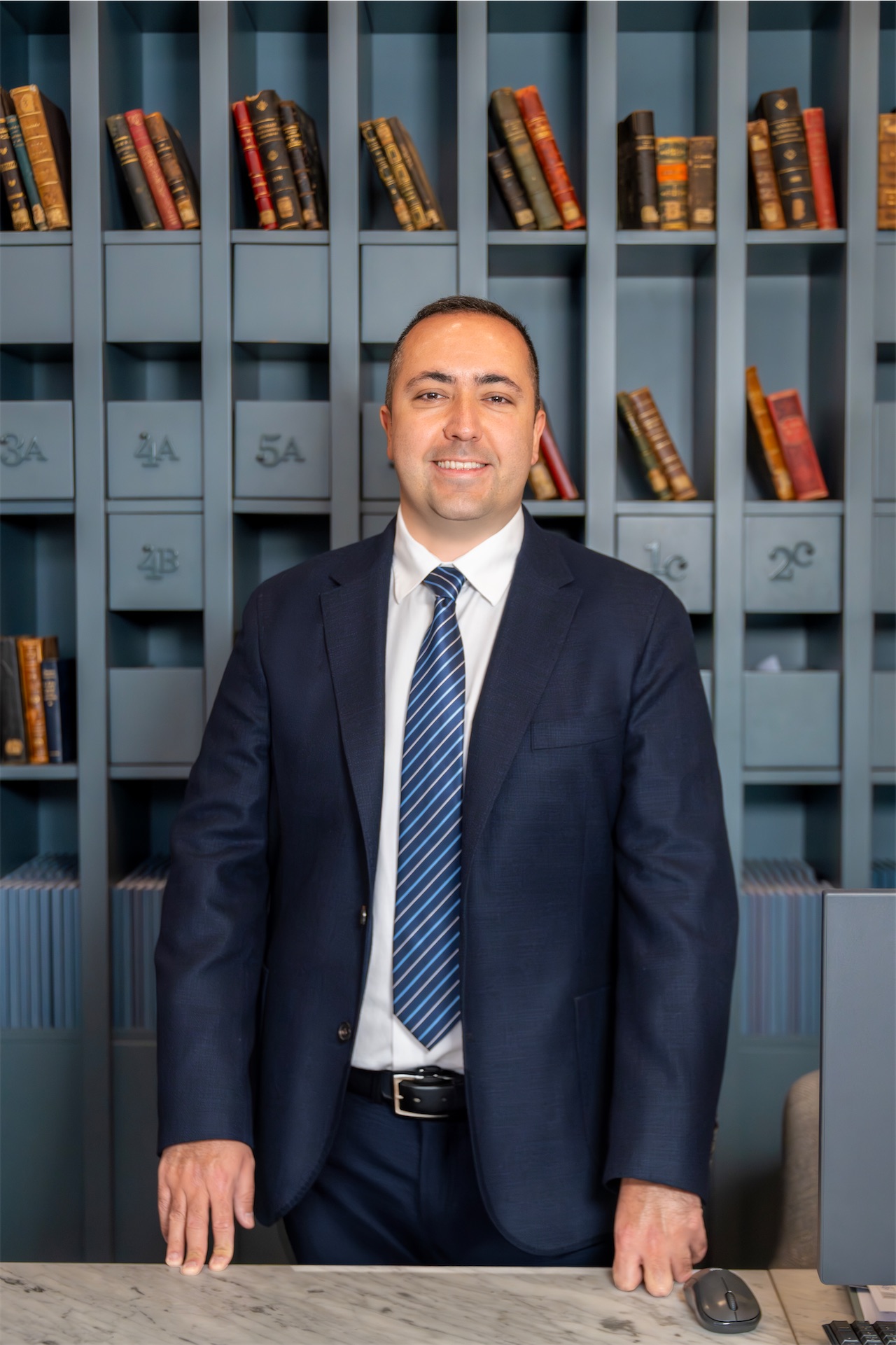
Emre Pütkül, the deputy general manager, has been with the project since the pre-opening phase and frames the building the way it was framed at the start.
“Ecole St. Pierre’s story begins long before it became a hotel,” Emre says. “Originally built in the 19th century as a French school, the building played an important role in the cultural and educational life of Galata, one of Istanbul’s most historic and cosmopolitan neighborhoods. For generations, it served as a place where different cultures, languages, and ideas came together.”
The decision when the team took over the building was clear, in his telling, before they even started.
“When the opportunity arose to transform the property, the vision was clear: to preserve the building’s historical identity while giving it a new purpose for modern travelers,” Emre says. “Rather than creating a conventional luxury hotel, the aim was to celebrate the building’s heritage and allow its story to remain visible in every aspect of the guest experience.”
THE 13TH-CENTURY GENOESE WALL THAT RUNS THROUGH THE COURTYARD
Underneath the Fossati school, a much older layer survives. The defensive walls of Galata were raised by the Genoese merchants who controlled the district between 1304 and 1317, and a substantial section still rises through the inner courtyard of the building. The restoration kept it exposed, lit, and accessible rather than tucking it behind glass.
“Our approach was guided by a simple principle,” Emre says. “History should not be treated as a backdrop, but as an active part of the guest experience. Throughout the restoration, preserving the property’s authenticity was a priority. Historic architectural details were carefully protected, and the presence of the ancient Genoese walls became an integral part of the hotel’s identity rather than something hidden or secondary.”
Ask Emre to name the space that best captures the hotel, and the answer is immediate.
“If I had to choose one space that best captures the identity of Ecole St. Pierre, it would be our courtyard,” he says. “Hidden within the heart of the property, it is a place where centuries of history and contemporary hospitality come together in a truly unique way. Few hotels can offer guests the opportunity to have breakfast, enjoy a glass of wine, or simply relax alongside architectural remains that have stood in Istanbul for more than 700 years.”
SEVENTEEN ROOMS, ONE COURTYARD, ONE ITALIAN RESTAURANT
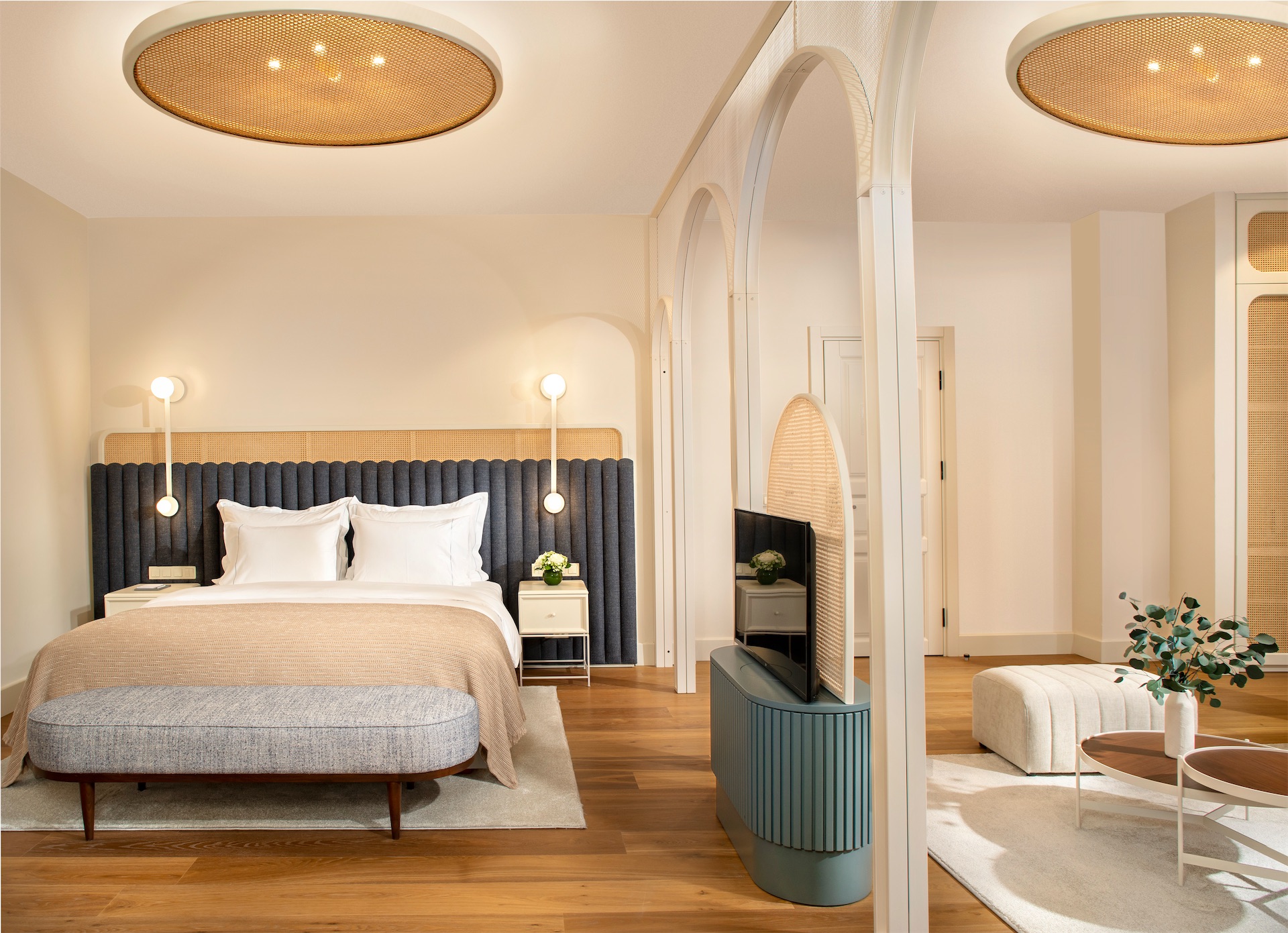
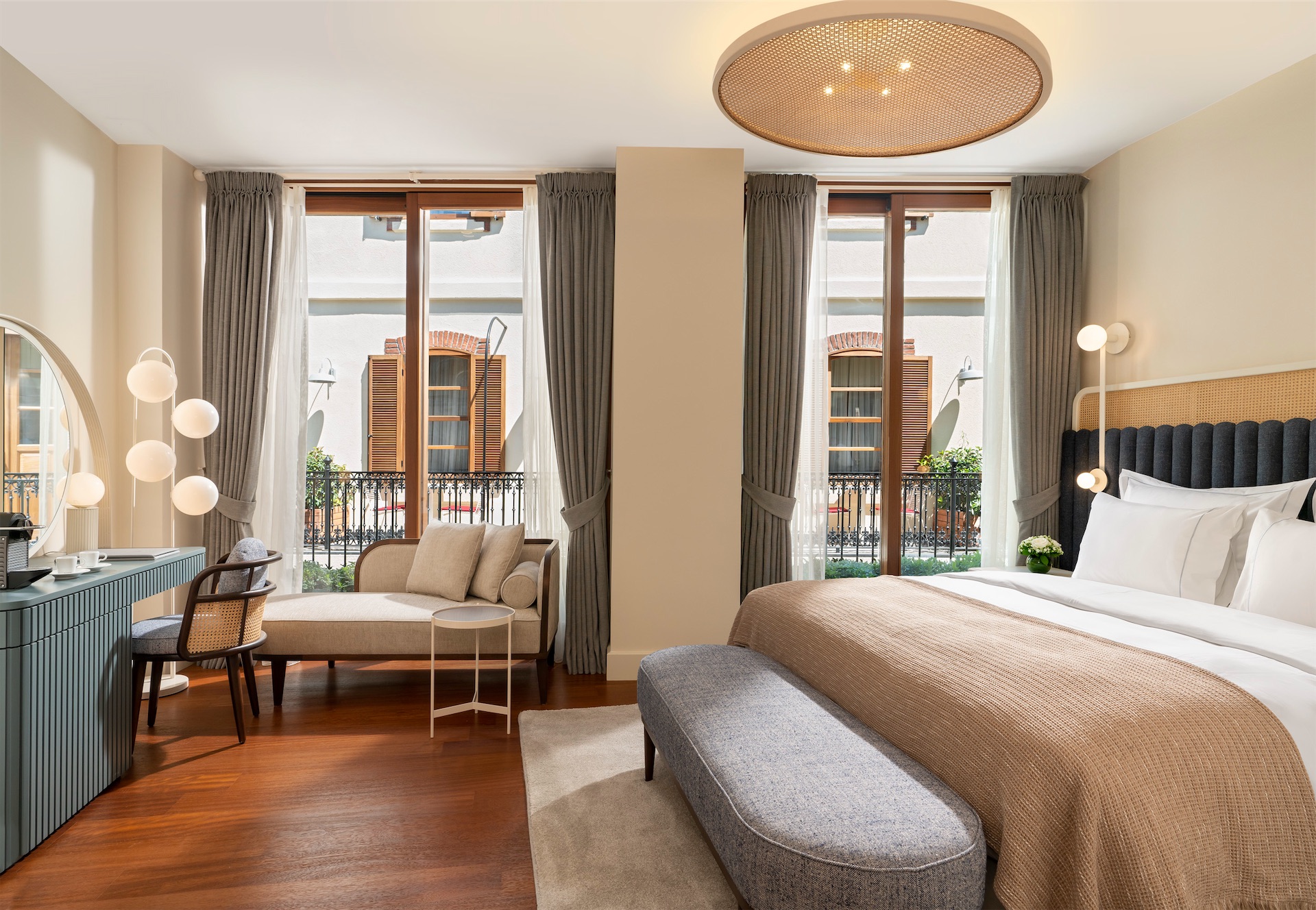
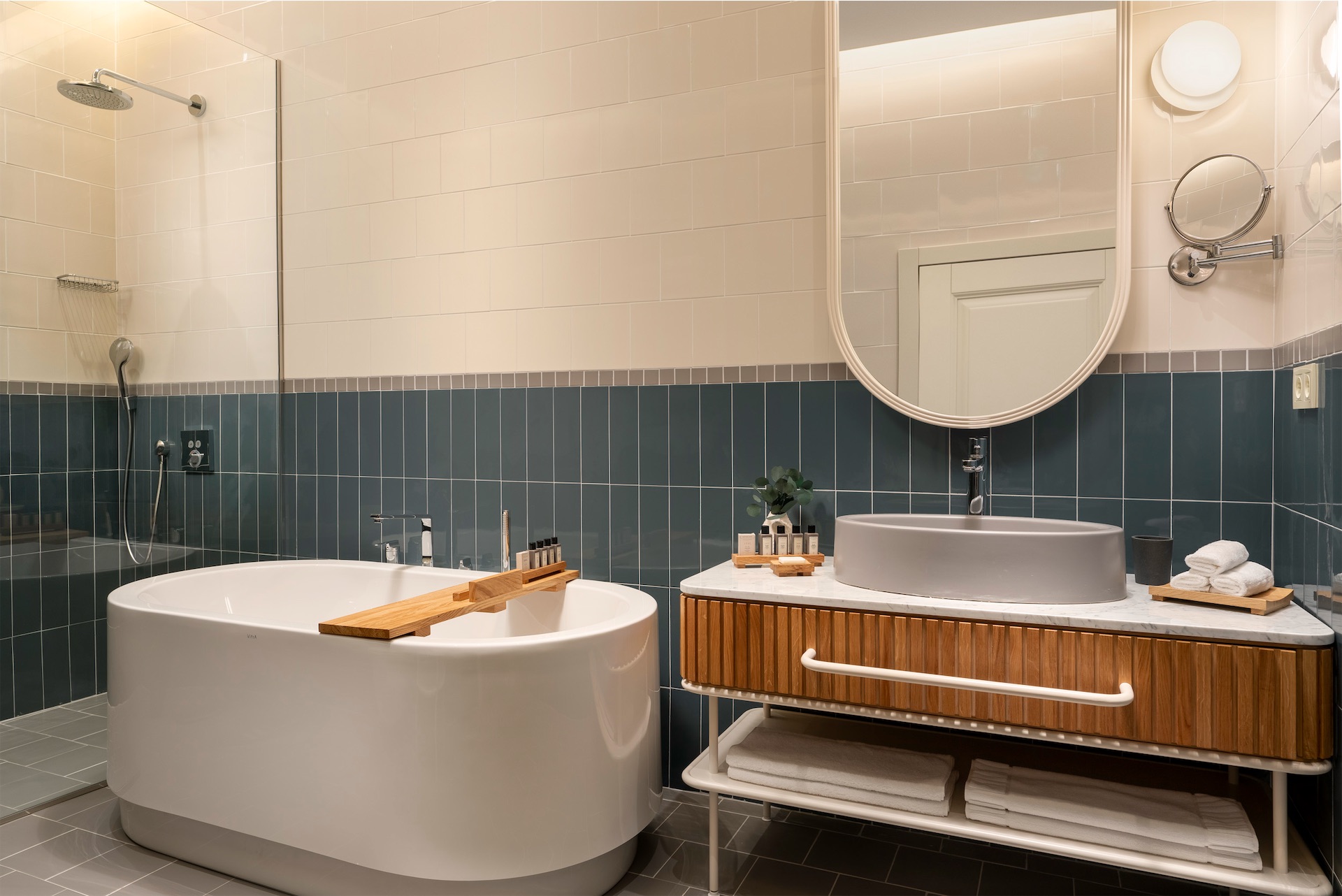
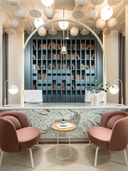
The hotel holds seventeen rooms and suites, ranging in size from twenty to sixty square meters, and every one overlooks the inner courtyard. Three categories cover the building: the Deluxe Modern Room, the Historical Suite, and the Galata Suite with Terrace, the last of which opens onto a private outdoor space directly facing the Galata Tower. Interior layouts were redefined by the Istanbul design firm kitchen-ist, balancing custom-designed furniture and contemporary detailing with preserved historic textures, hardwood parquet floors, and original stonework. Every room is appointed with eighty-five percent goose-down duvets and pillows, Le Labo Bergamote 22 bath amenities, Italian linens, and Nespresso machines.
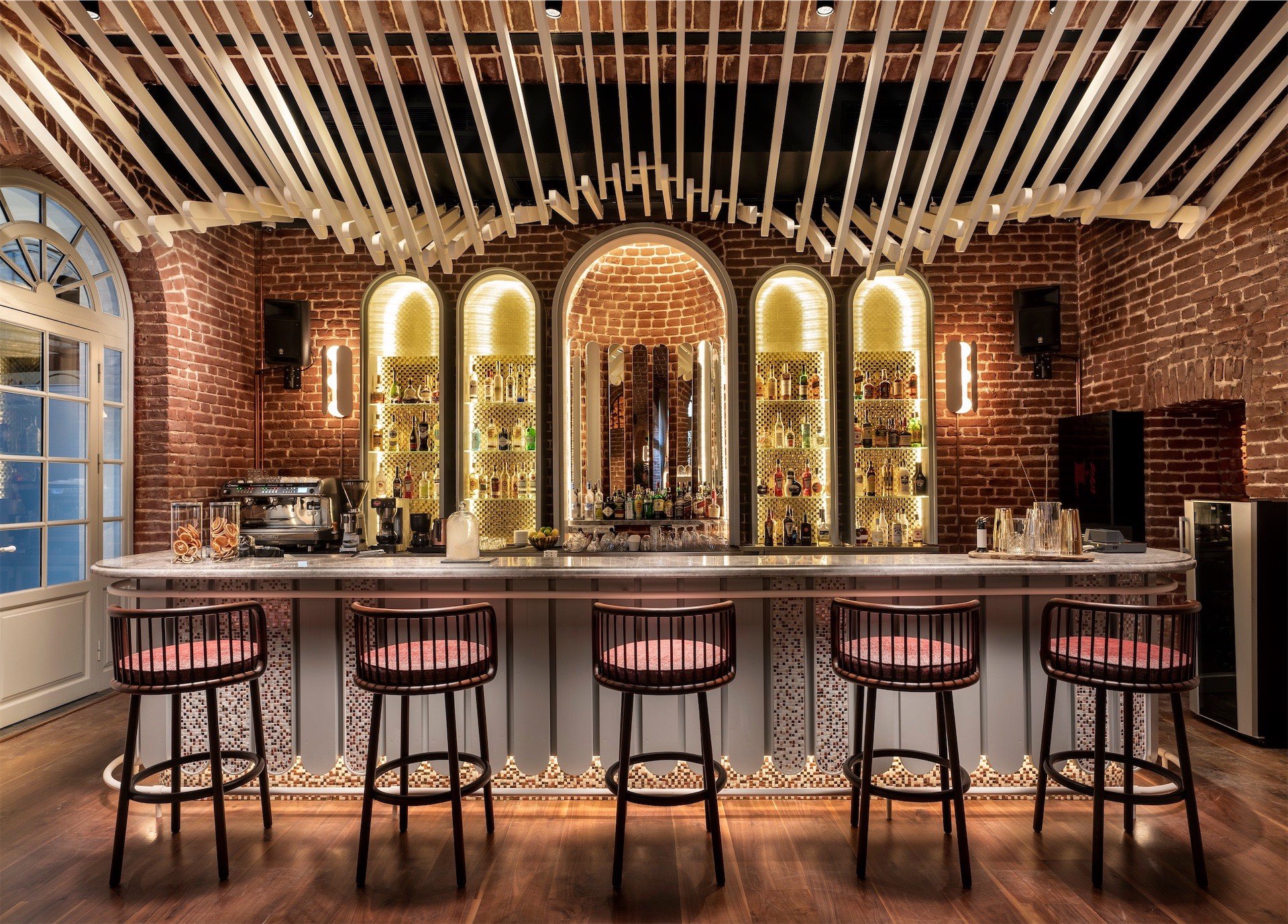
Food and drink center on IL CORTILE Ristorante Pizzeria, the in-house Italian restaurant whose dining room and outdoor tables are built directly into the Genoese wall in the courtyard. Breakfast, lunch, and evening drinks all unfold there. The hall once used by the school’s church choir now serves as a private dining space for occasions and small groups.
Emre returns to the scale of the operation when he describes the service.
“With only seventeen rooms, we are able to offer a highly personalized experience where every guest is treated as an individual rather than a room number,” he says. “Our team takes great pride in creating meaningful connections and sharing the city through local recommendations, personal interactions, and genuine hospitality.”
“These walls are not displayed as museum pieces. They are a living part of the hotel and of the guest experience.”
— Emre Pütkül, Deputy General Manager of Ecole St. Pierre Hotel

THE GALATA EMRE SENDS GUESTS THROUGH
Galata is the medieval Genoese district at the foot of the tower, and one of Istanbul’s densest layers of history. Emre’s first instruction to guests is not a list. It is an instruction to wander.
“One of the things I love most about Galata is that it rewards curiosity,” he says. “While Istanbul is famous for its iconic landmarks, I always encourage guests to spend time simply wandering through the neighborhood and allowing themselves to get a little lost.”
He follows with what is hiding inside the wander.
“Just a few steps from the hotel, guests can discover centuries-old churches, synagogues, hidden courtyards, independent galleries, artisan workshops, and small cafés tucked away on side streets,” Emre says. “The beauty of Galata lies in its layers. Every corner tells a different story about the city’s multicultural past.”
Past the immediate neighborhood, his list opens onto the wider city.
“Beyond the neighborhood, I always recommend exploring the historic peninsula early in the morning, taking a ferry across the Bosphorus to experience the city from the water, and visiting the vibrant local markets that continue to shape everyday life in Istanbul,” he says.
His personal recommendation, asked separately, is a walk.
“One of my favorite experiences is walking from Galata towards Karaköy and then along the Bosphorus at sunset,” Emre says. “It perfectly captures the essence of Istanbul: a city suspended between continents, cultures, and centuries.”
WHAT THE TEAM HOPES GUESTS REMEMBER
Ask Emre what the hotel is really about, and the answer does not return to the architecture, the courtyard, or the wall.
“If there is one thing I would like people to understand about Ecole St. Pierre, it is that our story is ultimately about people,” he says. “We do not believe hospitality can be reduced to a checklist or a set of standards applied equally to everyone. Every guest is different, and every stay should feel different. With only seventeen rooms, we have the privilege of getting to know the person behind the reservation.”
He describes the small things the team tracks before a guest arrives.
“In many cases, we know a guest’s favorite drink, the reason for their trip, or even their pet’s name before they step through our doors,” Emre says. “These details may seem small, but they allow us to create experiences that feel sincere rather than scripted.”
And what they choose to call luxury, in his framing, is not the linen or the amenities.
“For us, luxury is not about formality,” he says. “It is about attention, thoughtfulness, and authenticity. It is anticipating a need before it is expressed, remembering a personal preference, or making someone feel at home in a city they may be visiting for the first time.”
“Luxury is not about formality. It is about attention, thoughtfulness, and authenticity.”
— Emre Pütkül, Deputy General Manager of Ecole St. Pierre Hotel



(1) Where is Ecole St. Pierre Hotel located?
Ecole St. Pierre Hotel sits on Galata Kulesi Sokak in Bereketzade, in the Beyoğlu district of Istanbul, a hundred meters from the Galata Tower and a short walk down to the Karaköy waterfront.
(2) How do I get to Ecole St. Pierre Hotel?
Istanbul Airport (IST) is about forty-five kilometers northwest of Galata, roughly a forty-five minute drive by taxi or private transfer in light traffic. Sabiha Gökçen Airport (SAW) on the Asian side is an alternative for European low-cost carriers. The narrow cobbled streets of Galata mean there is no direct vehicle access right to the entrance; guests are dropped at the nearest accessible point and walk the final stretch.
(3) Who designed the original building?
The 1842 school building was designed by Gaspare Trajano Fossati, the Italian-Swiss architect who would later lead the major mid-nineteenth-century restoration of Hagia Sophia in Istanbul. The building opened as the Collège des Frères St. Pierre, a French Catholic school run by Italian Dominican priests, and operated until 1935.
(4) What are the Genoese walls at Ecole St. Pierre Hotel?
A surviving section of the defensive walls built by the Genoese merchants who controlled Galata between 1304 and 1317 runs through the inner courtyard of the hotel. The walls have been kept exposed and integrated into the IL CORTILE Ristorante dining experience rather than hidden or treated as a museum display.
(5) How many rooms does Ecole St. Pierre Hotel have?
Ecole St. Pierre has seventeen rooms and suites, ranging from twenty to sixty square meters. All rooms overlook the inner courtyard. Categories include the Deluxe Modern Room, the Historical Suite, and the Galata Suite with Terrace, which opens onto a private terrace directly facing the Galata Tower.
(6) What is IL CORTILE Ristorante Pizzeria?
IL CORTILE Ristorante Pizzeria is the hotel’s in-house Italian restaurant, built directly against the surviving section of Genoese wall in the courtyard. The restaurant serves breakfast, lunch, and dinner to hotel guests and outside visitors. The hall once used by the school’s church choir now serves as a private dining space.
(7) When is the best time to visit Ecole St. Pierre Hotel?
Spring (April to June) and autumn (September to October) bring mild temperatures, clear skies, and the most pleasant walking weather. Summer (July to August) is hot and the tourist crowds peak around Galata Tower. Winter (December to February) is cool and atmospheric, with fewer travelers and the courtyard at its most contemplative.




Subscribe
Enjoy the read?
Get unique stays, hidden gems, and mindful travel tips delivered straight to your inbox—no spam, just wanderlust.
Other Stories


Property Spotlights
Hotel Hubertus: A Mountain Retreat Suspended Between Earth and Sky in the Dolomites
Property Spotlights
The Arctic Hideaway: Eleven Architect-Designed Cabins on a Tiny Norwegian Island Above the Arctic Circle
Property Spotlights
Three Camel Lodge: Mongolia’s First Luxury Eco-Lodge, Built by Hand at the Foot of the Bulagtai