The Arctic Hideaway: Eleven Architect-Designed Cabins on a Tiny Norwegian Island Above the Arctic Circle
Jun 07, 2026
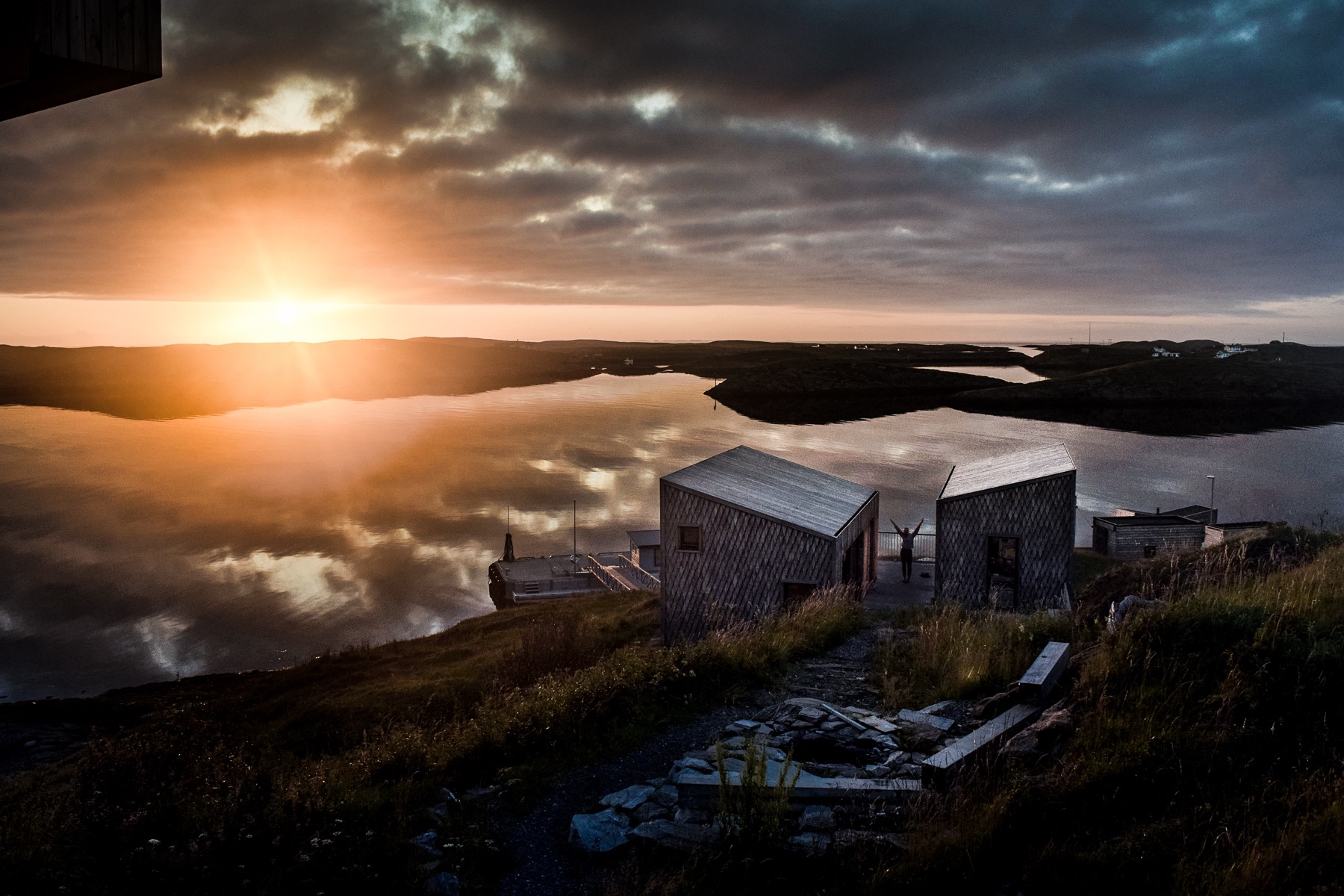
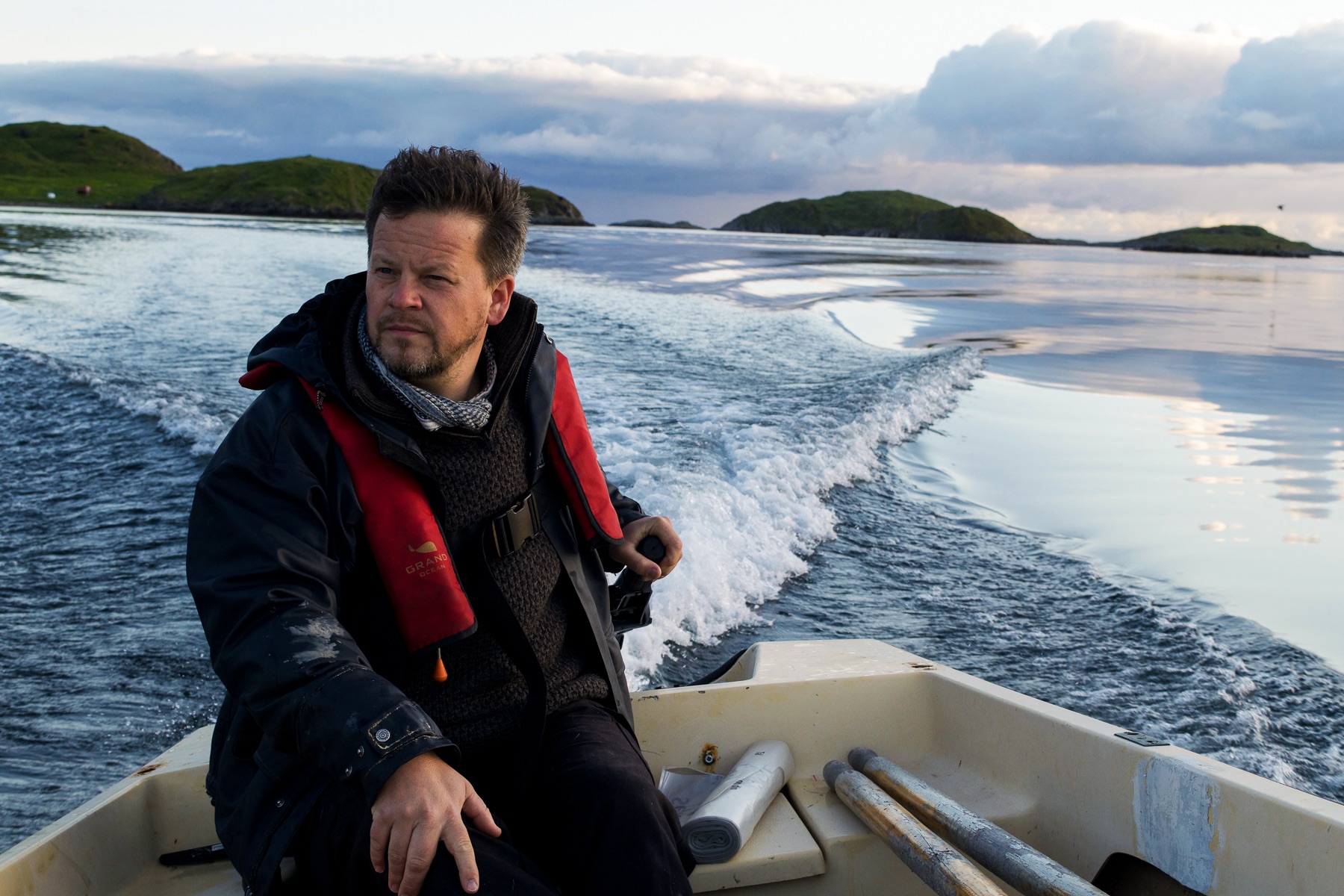
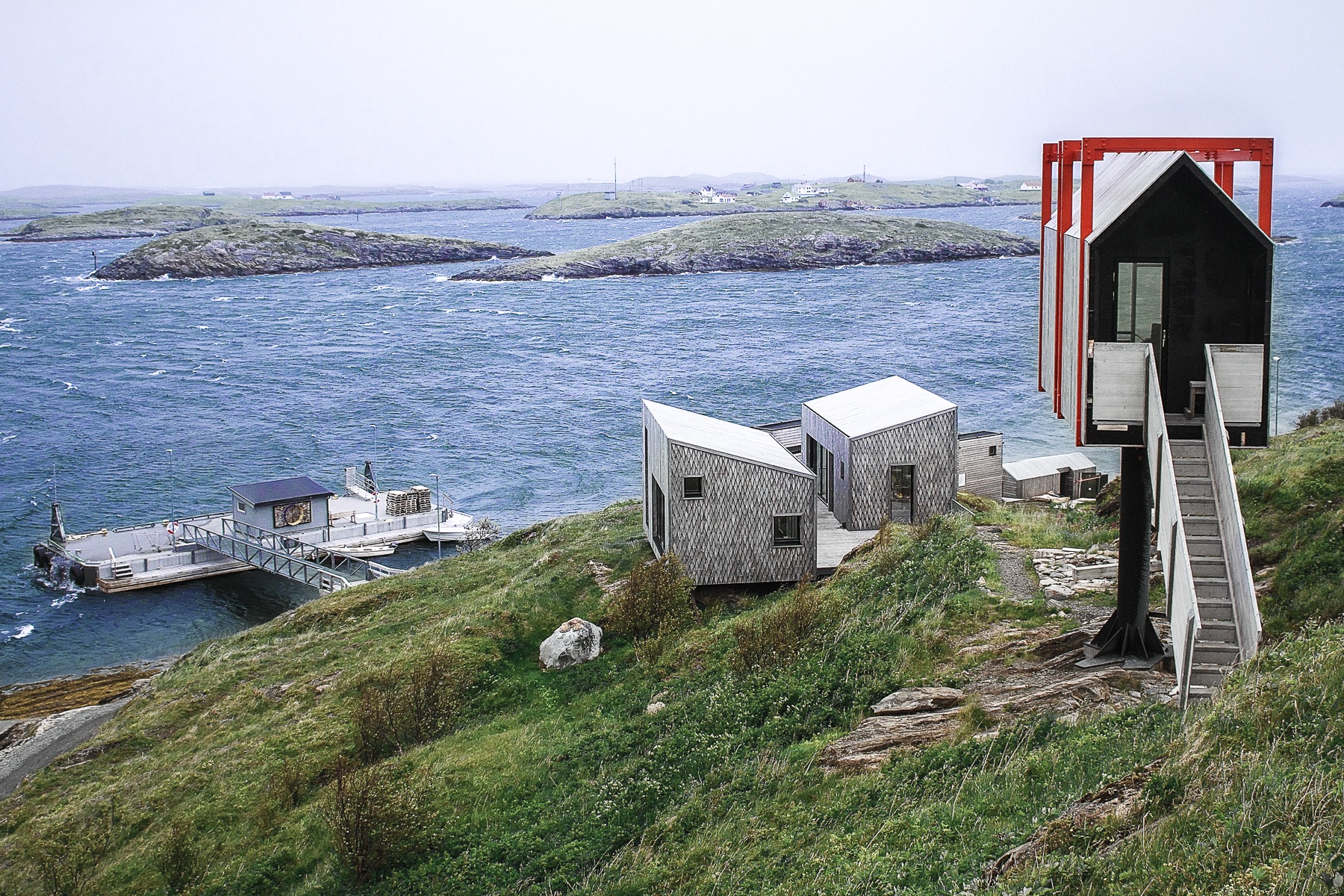
There are no cars and no shops on Fleinvær, a tiny archipelago off the Helgeland coast of Northern Norway, well above the Arctic Circle. A small village of eleven architect-designed buildings sits here at The Arctic Hideaway, a project originally conceived under the Norwegian name Fordypningsrommet, which translates roughly to the immersion room. The buildings are the work of Norwegian musician Håvard Lund, who bought his first estate on the archipelago in 2004 and spent a decade considering what the place could be. Construction began in 2014 in collaboration with TYIN Tegnestue, Rintala Eggertsson Architects, and a series of international architecture workshops. The result is five sleeping cabins, a kitchen house, a studio house, a wood-fired sauna, a bath house, an outdoor kitchen, and a Sámi-inspired tower called the Njalla, all reached only by a small ferry from Bodø that runs twice a day. The Arctic Hideaway operates year-round, was awarded Norway’s Eco-Lighthouse certification in 2022, and runs on the conviction that a stay here is not an escape but a return.
There are no cars and no shops on Fleinvær, a tiny archipelago off the Helgeland coast of Northern Norway, well above the Arctic Circle. A small village of eleven architect-designed buildings sits here at The Arctic Hideaway, a project originally conceived under the Norwegian name Fordypningsrommet, which translates roughly to the immersion room. The buildings are the work of Norwegian musician Håvard Lund, who bought his first estate on the archipelago in 2004 and spent a decade considering what the place could be. Construction began in 2014 in collaboration with TYIN Tegnestue, Rintala Eggertsson Architects, and a series of international architecture workshops. The result is five sleeping cabins, a kitchen house, a studio house, a wood-fired sauna, a bath house, an outdoor kitchen, and a Sámi-inspired tower called the Njalla, all reached only by a small ferry from Bodø that runs twice a day. The Arctic Hideaway operates year-round, was awarded Norway’s Eco-Lighthouse certification in 2022, and runs on the conviction that a stay here is not an escape but a return.
THE NORWEGIAN MUSICIAN WHO BOUGHT AN ISLAND IN 2004
The Arctic Hideaway was not built on a business plan. It began with a piece of land that Håvard Lund, a Norwegian musician, acquired on Fleinvær in 2004, and with the long slow process of asking what such a place might be for. The project that emerged a decade later is, in his own framing, a quiet experiment in immersion.
“The Arctic Hideaway was born from a desire to create a place where people could step outside of the constant noise of everyday life and return to a slower, more intentional rhythm,” Håvard says. “The project grew out of a deep connection to Fleinvær, a small island community off the coast of northern Norway, and a recognition that this landscape naturally invites reflection, focus, and creative work.”
For most of its life inside the team, the project went by a different name.
“Originally conceived as Fordypningsrommet, meaning the immersion room, the idea was to offer a space dedicated to immersion in thought, practice, and presence,” Håvard says. “Over time, it evolved into The Arctic Hideaway, but the core philosophy remains unchanged: to provide a simple, quiet framework where people can come to think, make, and reconnect with themselves and their work.”
ELEVEN BUILDINGS, TWO ARCHITECTURAL PRACTICES, AND A SÁMI-INSPIRED TOWER
Construction began in 2014 with an unusually broad architectural team. TYIN Tegnestue, the Trondheim-based studio, took on most of the project. Rintala Eggertsson Architects, the Norwegian and Icelandic practice founded by Sami Rintala and Dagur Eggertsson, designed several of the more distinctive structures. A rolling cohort of international architecture students contributed additional buildings through workshops on the island, among them the iconic Njalla, a tower house inspired by traditional Sámi storage architecture.
Håvard describes the brief in plain terms.
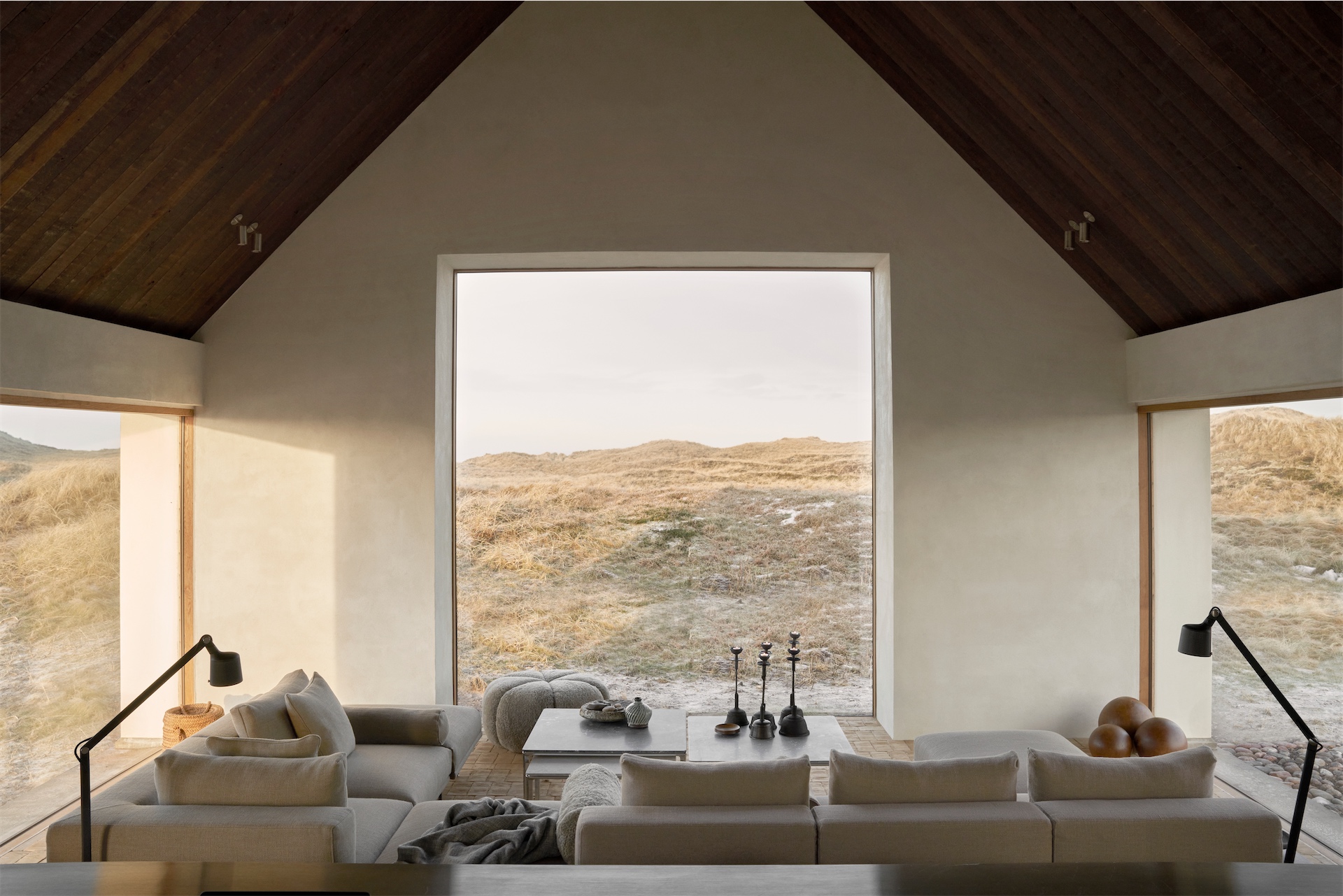
“The architecture was designed to be both distinct and unobtrusive,” Håvard says. “Each structure has a clear function, sleeping, working, gathering, and is placed in dialogue with the landscape rather than imposed upon it.”
What that looks like, building by building, is small.
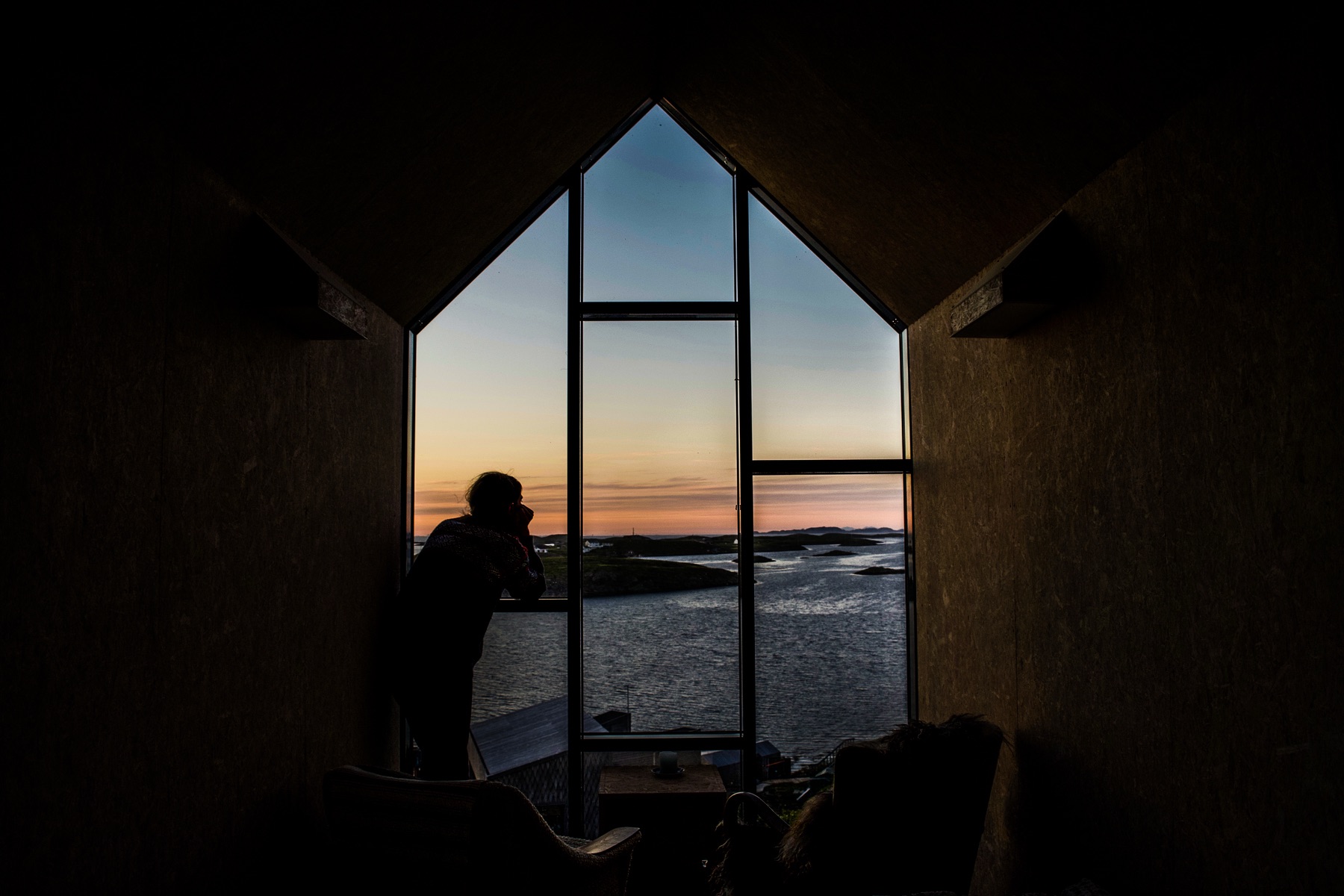
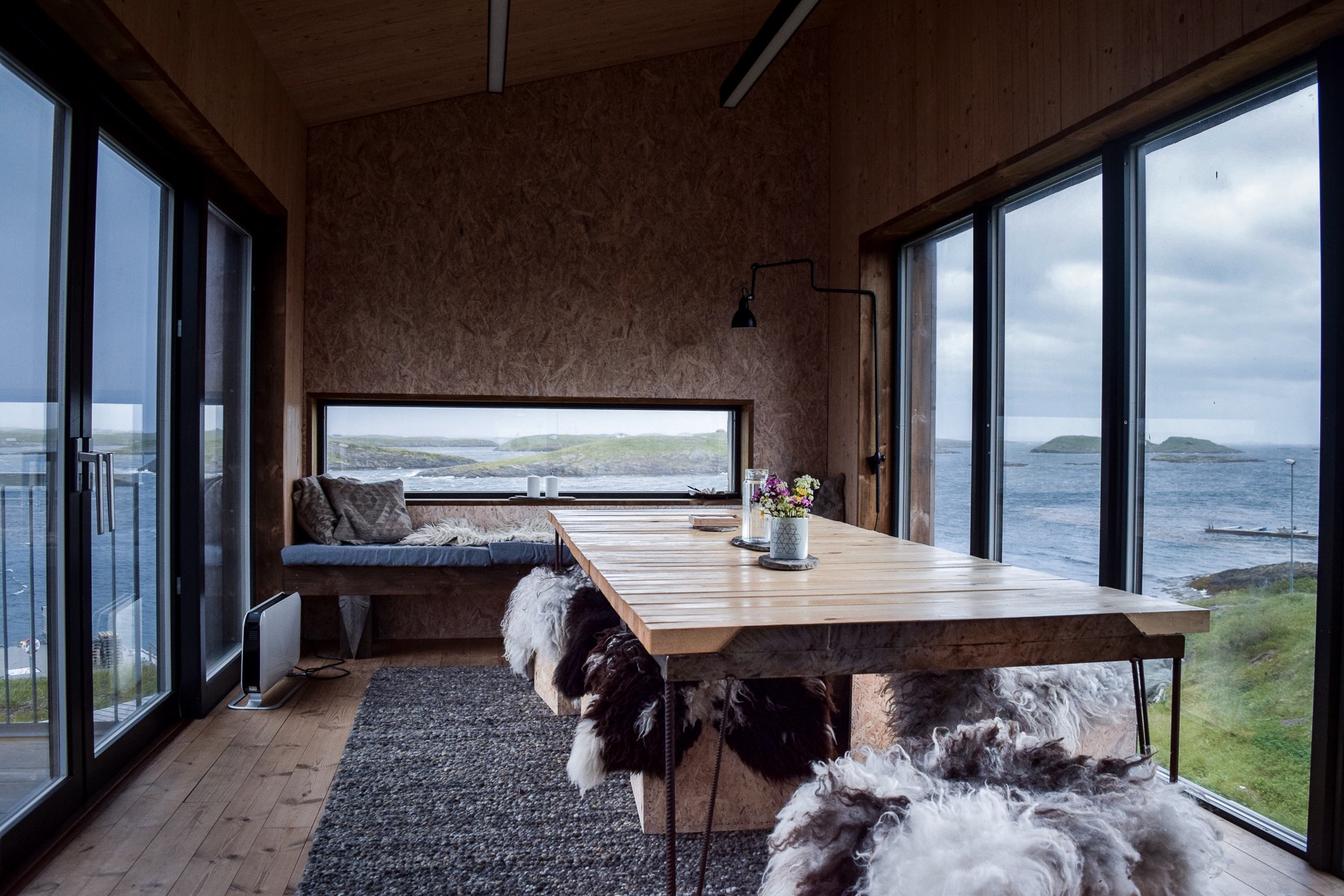
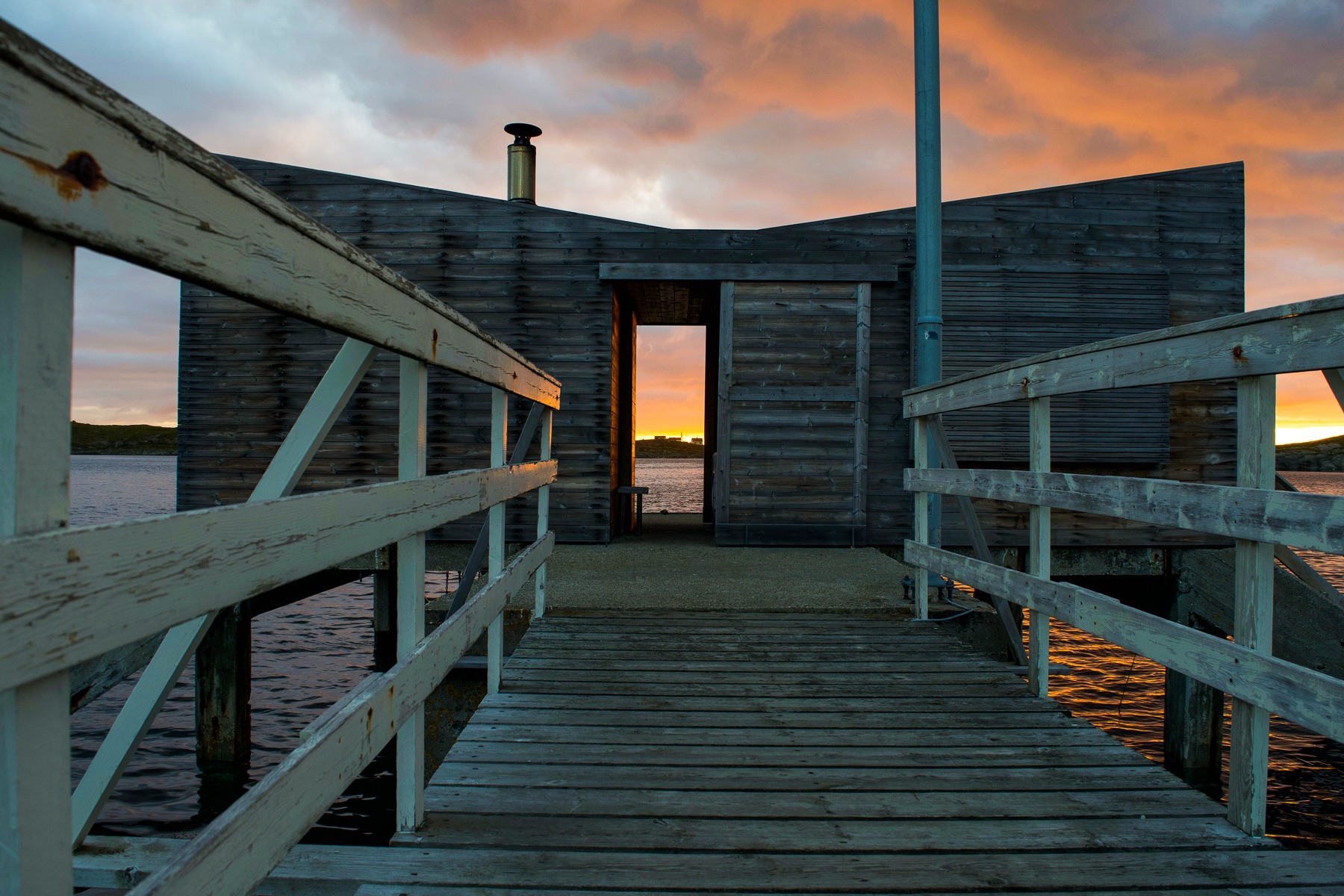
“The buildings are simple, but carefully considered,” he says. “Large windows frame the horizon, the materials are natural and durable, and the spaces are intentionally minimal. The goal is not to draw attention to the architecture itself, but to support what people come here to do.”
There are eleven buildings in total. Five hold sleeping cabins, accommodating up to ten adults across two doubles, three singles, and a sixth cabin opened on special request. The kitchen house, studio house, wood-fired sauna, Njalla tower, bath house, and outdoor kitchen are open to every guest at any hour. The Arctic Hideaway was awarded Norway’s Eco-Lighthouse certification in 2022.
LIFE ON FLEINVÆR: SHARED DINNERS, LIT SAUNAS, AND THE FIRST THREE DAYS OF ARRIVING
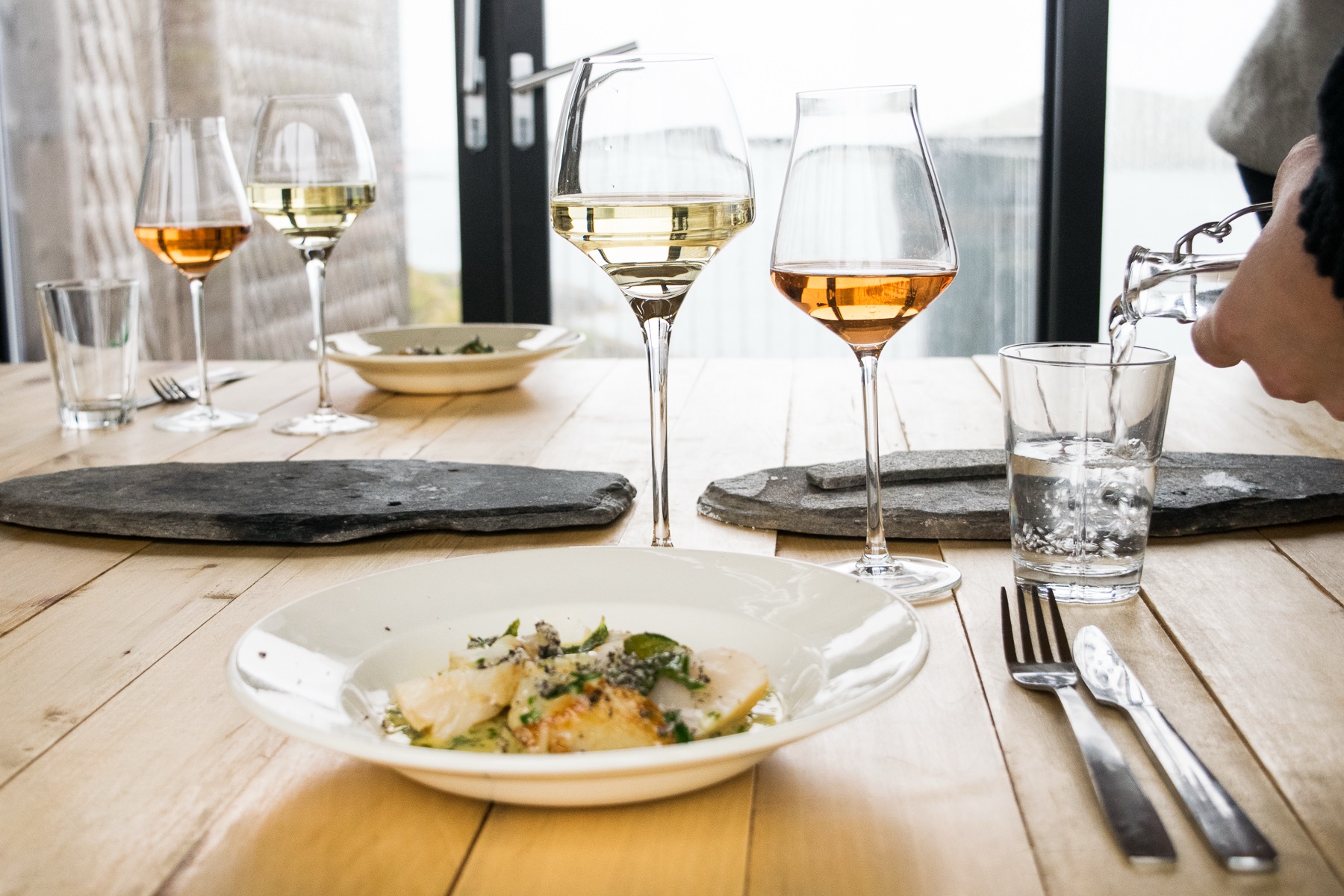
Life on the island is participatory. Breakfast is laid out in the kitchen each morning, with fresh bread, coffee, waffles, reindeer sausages, oats, eggs, cheeses, fruit, and preserves, and lunch and snacks are self-served from the same kitchen at any hour. Evenings are the moment that ties the place together. One guest, or a small group, takes a turn preparing dinner from the local meat, seafood, and seasonal produce kept on hand. The sauna runs daily, lit by whoever feels like lighting it.
Håvard does not pretend the rhythm is immediate.
“We welcome only a small number of guests at any given time, and typically for longer stays. This is very intentional,” Håvard says. “The first few days are often about arriving, both physically and mentally. It takes time to slow down, to adjust to the quiet, and to begin working in a more focused way.”
The remoteness, in his telling, does most of the work.
“The remoteness of the island plays an important role,” Håvard says. “There are no shops, no external services, and limited connectivity. Everything needed for the stay is already there. This creates a contained environment where time stretches, and where people can fully engage with their work or their thoughts.”
Average stays sit around nine days. Most guests book between five nights and two weeks. The pricing is structured to reward the longer rhythm, which is the rhythm the island actually rewards.
“The goal is not to draw attention to the architecture itself, but to support what people come here to do.”
— Håvard Lund, Founder of The Arctic Hideaway
WINTERS, SUMMERS, AND THE LIGHT THAT NEVER QUITE STOPS MOVING
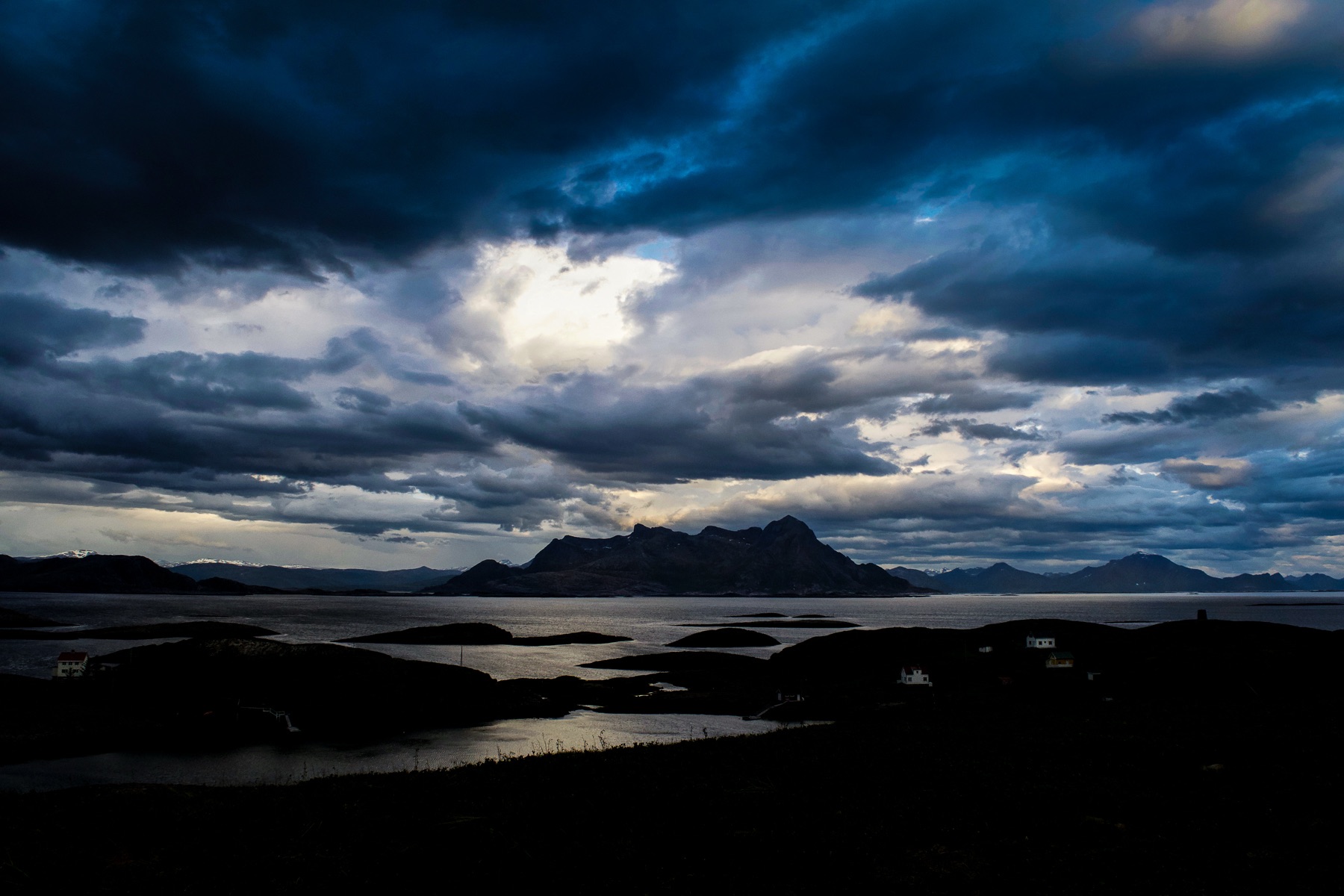
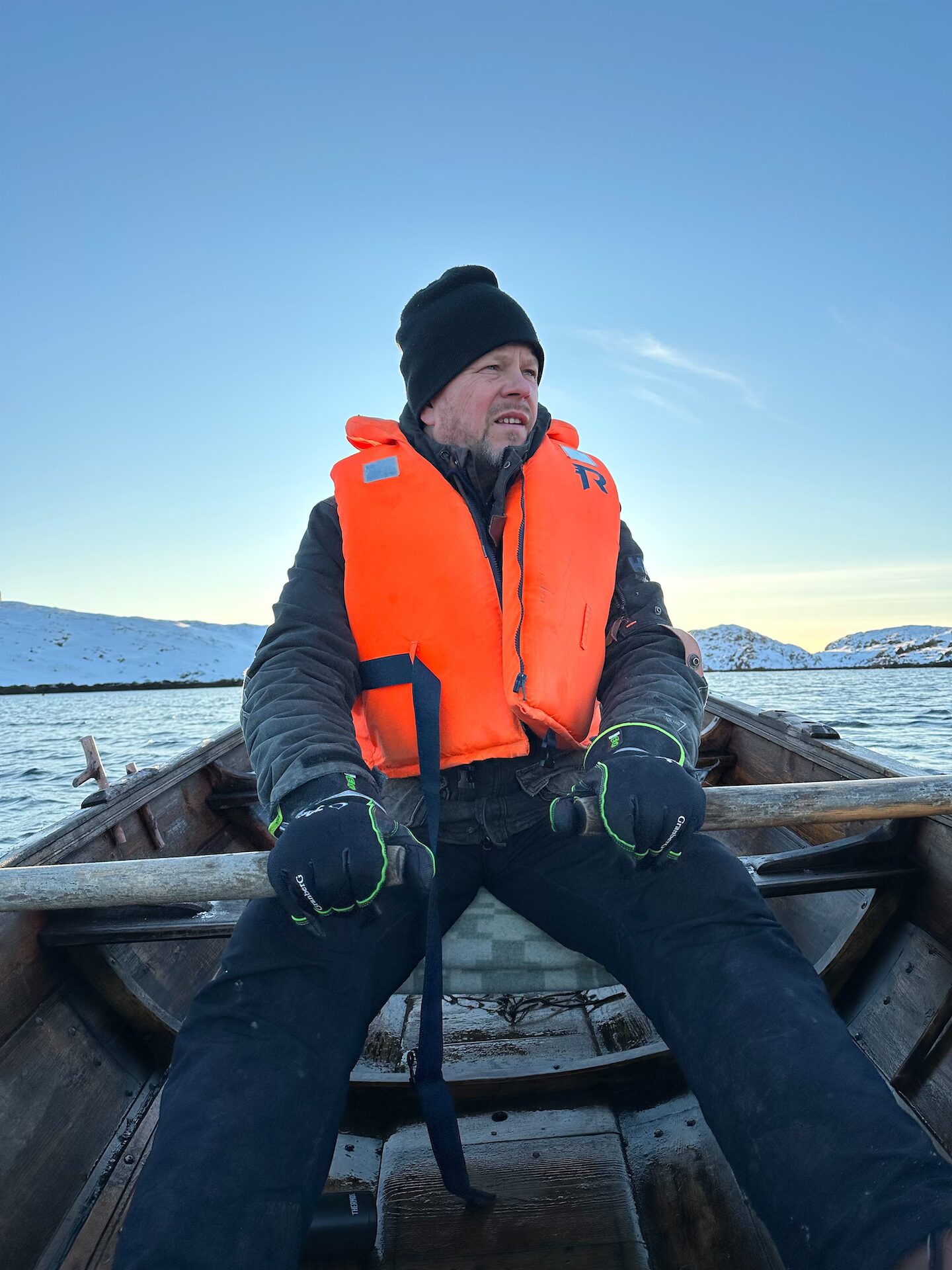
The Arctic Hideaway operates year-round, but each season is a fundamentally different place. From late August through early April, the northern lights stretch across the sky above Fleinvær on most clear nights. From late May through August, the midnight sun keeps the days long enough that guests stop checking the time. Winter storms can cut off the ferry from Bodø for days at a stretch, which is part of why the property recommends a minimum four-night stay, particularly between January and March.
Spring and autumn are quieter and stranger, with light shifting fast across the rocks and the sea. The island responds to weather more than to calendars. Bodø, the Arctic city that serves as the gateway, was named European Capital of Culture 2024, and the small but active food and music scene there is part of the journey for many guests on the way in or out.
NOT ABOUT ESCAPE, BUT ABOUT RETURN
Asked what the project is for, Håvard returns to a line he has spoken often.
“At its core, The Arctic Hideaway is not about escape, but about return,” he says. “Returning to one’s work, to one’s thoughts, and to a different sense of time.”
He resists the impulse to program the days too tightly.
“We do not try to program the experience too tightly,” Håvard says. “Instead, we offer a structure and allow each person to find their own way within it. Over the years, it has become clear that this balance, between solitude and shared presence, is what gives the place its character.”
To plan a stay at The Arctic Hideaway, send an enquiry through the Here & Away contact form below. The team can advise on the right season, the right ferry, and the right length of stay for each guest.
“At its core, The Arctic Hideaway is not about escape, but about return: returning to one’s work, to one’s thoughts, and to a different sense of time.”
— Håvard Lund, Founder of The Arctic Hideaway

(1) Where is The Arctic Hideaway located?
The Arctic Hideaway sits on the tiny Fleinvær archipelago, off the Helgeland coast of Northern Norway, well above the Arctic Circle. The island has no cars and no shops, and is reached only by ferry or private boat from the city of Bodø.
(2) How do I get to The Arctic Hideaway?
Most guests fly to Bodø Airport (BOO), which has daily flights from Oslo and other Norwegian cities via SAS, Norwegian, and Widerøe. From Bodø, two public ferries a day run to Fleinvær, with the schedule varying by season and weekday. The Hideaway can advise on the right ferry or arrange a private boat charter on request. Heavy winter weather can occasionally disrupt the ferry, which is why the property recommends a minimum four-night stay.
(3) What was Fordypningsrommet?
Fordypningsrommet, which translates roughly to the immersion room, is the original Norwegian name of the project. It was conceived as a space dedicated to immersion in thought, practice, and presence. Over time the project evolved into The Arctic Hideaway in English, but the underlying philosophy stayed the same.
(4) Who designed The Arctic Hideaway?
The Arctic Hideaway was designed in collaboration between TYIN Tegnestue, the Trondheim-based Norwegian architecture studio, Rintala Eggertsson Architects, the Norwegian and Icelandic practice founded by Sami Rintala and Dagur Eggertsson, and a rolling cohort of international architecture students who built additional structures through on-site workshops. The iconic Njalla tower draws on traditional Sámi storage architecture.
(5) How many cabins does The Arctic Hideaway have?
There are eleven buildings in total. Five sleeping cabins accommodate up to ten adults, with a sixth cabin opened by special request. The remaining buildings are the kitchen house, the studio house, the wood-fired sauna, the bath house, the outdoor kitchen, and the Njalla tower. All shared buildings are open to every guest at any hour.
(6) Is The Arctic Hideaway only for artists?
No. The Arctic Hideaway hosts artists in residence and welcomes writers, composers, and designers, but guests do not need to be working artists to come. The property welcomes solo travelers, couples, and small groups who are open to the slower rhythm of the island.
(7) When is the best time to visit The Arctic Hideaway?
Each season is a fundamentally different place. Winter (November to March) is dark, intense, and storm-shaped, with frequent northern lights from late August through early April. Summer (late May to August) brings the midnight sun and softer weather. Spring and autumn shoulders are quieter, with light shifting fast. The Hideaway operates year-round.
(8) What is included in a stay at The Arctic Hideaway?
All shared buildings are open at any hour: the kitchen, the studio, the wood-fired sauna, the Njalla tower, the bath house, and the outdoor kitchen. Bedding, towels, and sauna wood are provided. Breakfast is laid out in the kitchen each morning, with lunch and snacks self-served from the same kitchen. Evening dinners are typically prepared communally by guests from the local meat, seafood, and seasonal produce kept on hand. There are no shops on Fleinvær, so guests are encouraged to bring any alcohol they wish to drink.

Plan Your Stay
Subscribe
Enjoy the read?
Get unique stays, hidden gems, and mindful travel tips delivered straight to your inbox—no spam, just wanderlust.
Other Stories

Property Spotlights
Son Blanc Farmhouse: A 14-Room Menorcan Finca on the Way to Full Energy, Water, and Food Self-Sufficiency by 2030

Property Spotlights
The James Bradley: A Seventeen-Room Jersey Shore Boutique Built on the Philosophy of Considered, Not Curated

Property Spotlights
Awasi: A South American Lodge Collection Where Wilderness Feels Like Home